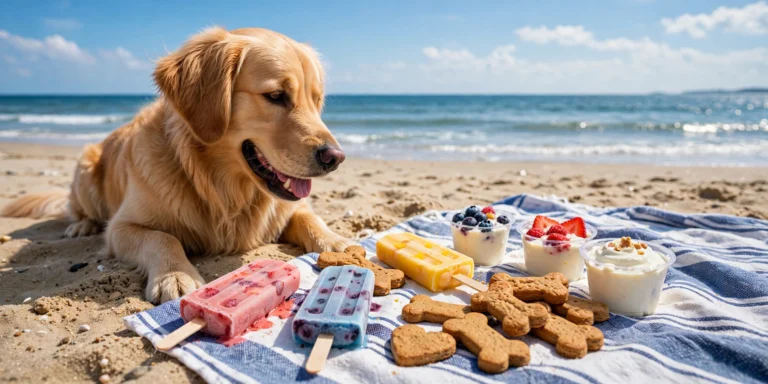
Foods Dogs Can Eat vs Foods Dogs Can’t Eat: The Complete Guide

Figuring out foods dogs can eat vs foods dogs can’t eat is one of the most important parts of being a responsible dog owner. Every year, thousands of dogs end up at the emergency vet because of a well-meaning table scrap. The good news? Once you know the rules, sharing safe foods with your dog becomes easy and fun. This complete guide breaks down exactly which fruits, vegetables, and proteins are safe, which foods are truly dangerous, and what to do if your dog eats something they shouldn’t.
Table of Contents
- Safe Fruits Dogs Can Eat
- Safe Vegetables Dogs Can Eat
- Safe Proteins Dogs Can Eat
- Toxic Foods Dogs Must Never Eat
- Foods to Limit or Serve With Caution
- What to Do If Your Dog Eats Something Toxic
- How to Read Labels for Hidden Dangers
- Safe Treat Alternatives Your Dog Will Love
- Portion Rules for Human Food
- When to Call Your Vet
- Frequently Asked Questions
Safe Fruits Dogs Can Eat

Fruit can be a wonderful, natural treat for dogs when served in moderation. Blueberries are packed with antioxidants and make perfect training-sized treats. Apple slices (seeds and core removed) provide fiber and vitamin C, and their crunch helps clean teeth. Watermelon is hydrating and refreshing on hot days — just remove the rind and seeds first. Bananas offer potassium but are higher in sugar, so keep portions small. Other safe options include strawberries, cantaloupe, and peeled mango chunks. Introduce new fruits slowly, and remember fruit should complement — never replace — your dog’s balanced diet.
Safe Vegetables Dogs Can Eat

Vegetables are some of the best low-calorie treats you can offer. Carrots — raw or cooked — are crunchy, affordable, and great for dental health. Green beans are a favorite among veterinarians for overweight dogs because they’re filling but very low in calories. Sweet potatoes, cooked and cubed without seasoning, provide fiber and beta-carotene. Cucumber slices are nearly calorie-free. Plain cooked pumpkin (not pie filling) aids digestion, and steamed broccoli in small amounts adds vitamins. Serve vegetables plain — skip butter, oils, salt, and seasonings.
Safe Proteins Dogs Can Eat

Lean, plainly cooked proteins are the safest human foods to share with your dog. Chicken breast, cooked without skin, bones, or seasoning, is gentle on the stomach and widely used in bland diets recommended by vets. Turkey is equally good — just avoid the fatty skin and seasoned leftovers. Salmon provides omega-3 fatty acids that support skin and coat health, but it must be fully cooked and boneless. Eggs, scrambled or hard-boiled without oil or seasoning, are a complete protein source most dogs love. Small amounts of plain cooked beef or pork are fine too. Always remove all bones, which can splinter and cause choking or internal injuries.
Toxic Foods Dogs Must Never Eat

Some everyday foods are genuinely dangerous for dogs, and every owner should memorize this list. Chocolate contains theobromine, which dogs cannot metabolize — dark and baking chocolate are the most toxic. Xylitol, a sweetener in sugar-free gum, candy, and some peanut butters, can cause a rapid, life-threatening drop in blood sugar. Grapes and raisins can trigger sudden kidney failure, even in small amounts. Onions and garlic — in any form, including powder — damage red blood cells. Macadamia nuts cause weakness and vomiting. Alcohol and caffeine are both toxic. Store these foods securely and teach everyone in the household the rules.
Foods to Limit or Serve With Caution
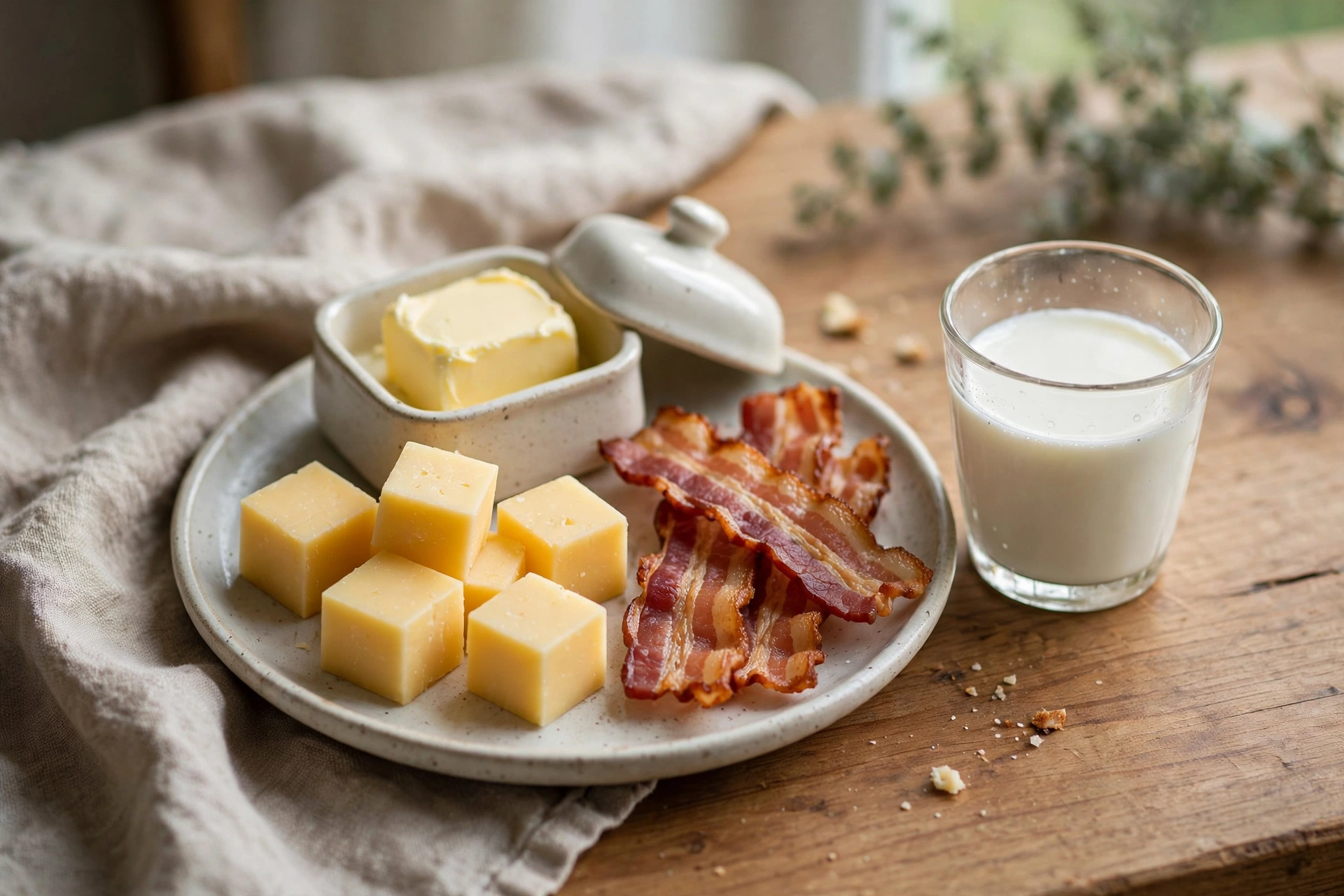
Not every risky food is outright toxic — some are fine in tiny amounts but problematic in larger ones. Dairy products like cheese and milk can upset dogs that are lactose intolerant, so offer only small pieces of low-fat cheese occasionally. Fatty foods — bacon, sausage, fried foods — can trigger pancreatitis, a painful and serious condition. Salt in excess leads to dehydration and sodium poisoning, so skip salty snacks like chips and pretzels. Corn on the cob is a choking and intestinal-blockage hazard because of the cob itself. Bones, especially cooked ones, can splinter. If a food is high in fat, salt, or sugar, your dog doesn’t need it.
What to Do If Your Dog Eats Something Toxic

If you catch your dog eating something dangerous, act quickly but stay calm. First, remove any remaining food from their reach. Second, note what and how much they ate and when — this information helps your vet enormously. Third, call your veterinarian or an animal poison hotline immediately; do not wait for symptoms to appear. Do not induce vomiting unless your vet specifically instructs you to, as it can make some situations worse. Watch for warning signs like vomiting, diarrhea, drooling, lethargy, tremors, or collapse. Keep your vet’s number and the animal poison hotline saved in your phone for emergencies.
How to Read Labels for Hidden Dangers

Dangerous ingredients often hide where you least expect them. Xylitol (also listed as birch sugar) appears in sugar-free gum, mints, some peanut butters, and even certain medications — always check the label before sharing peanut butter with your dog. Cocoa turns up in baked goods, protein bars, and desserts. Onion and garlic powder are common in sauces, gravies, broths, and seasoned meats. Artificial sweeteners beyond xylitol aren’t great either. When buying commercial dog treats, look for short, recognizable ingredient lists and avoid products with vague terms like “meat by-products” or excessive fillers. A quick label check can prevent an emergency vet visit.
Safe Treat Alternatives Your Dog Will Love

You don’t need store-bought treats to spoil your dog safely. Frozen blueberries or banana slices make excellent summer snacks. Baby carrots are crunchy, cheap, and most dogs adore them. Plain pumpkin puree frozen in a silicone mold creates easy portion-controlled treats. Apple slices with a thin smear of xylitol-free peanut butter are a classic crowd-pleaser. Dehydrated sweet potato chews — just slice and bake low and slow — satisfy dogs that love to chew. Homemade treats mean you control every ingredient — no additives from commercial products.
Portion Rules for Human Food

Even safe foods can cause problems if portions get out of hand. Follow the 10% rule: treats and human-food extras should make up no more than 10% of your dog’s daily calories, with complete dog food providing the other 90%. A few blueberries are a treat; a whole bowl is a stomachache. Small dogs need much tinier portions — what looks like a snack to you can be a full meal for a Chihuahua. Introduce any new food in a small test amount first and wait 24 hours to check for digestive upset. Cut foods into bite-sized pieces to prevent choking. When in doubt, less is more.
When to Call Your Vet

Knowing when to pick up the phone can save your dog’s life. Call immediately if your dog ate chocolate, xylitol, grapes, raisins, onions, garlic, macadamia nuts, or alcohol — don’t wait for symptoms. Also call if you notice repeated vomiting or diarrhea, refusal to eat for more than 24 hours, extreme lethargy, difficulty breathing, seizures or collapse, or a swollen abdomen. Even if you’re unsure whether something is dangerous, a quick call costs nothing and your vet would rather reassure you than treat a preventable emergency. Know your nearest emergency animal hospital’s location and hours before you need them.
Frequently Asked Questions
Can dogs eat eggs every day?
Eggs are safe and nutritious, but one egg a day is plenty for most dogs — and smaller dogs need less. Serve them cooked without oil, butter, or seasoning, and count them toward the 10% treat allowance.
Are grapes really that dangerous for dogs?
Yes. Grapes and raisins can cause sudden kidney failure in dogs, and scientists still don’t know exactly which compound is responsible or what dose is safe. The only safe amount is zero.
Is peanut butter safe for dogs?
Plain peanut butter without xylitol (birch sugar) is safe in small amounts — always check the label first.
How much human food is okay for my dog?
Keep human-food treats under 10% of your dog’s total daily calories. Their regular balanced dog food should always be the main diet.
What should I do first if my dog ate chocolate?
Note the type and amount of chocolate and when it was eaten, then call your vet or a poison hotline immediately — don’t induce vomiting unless told to.