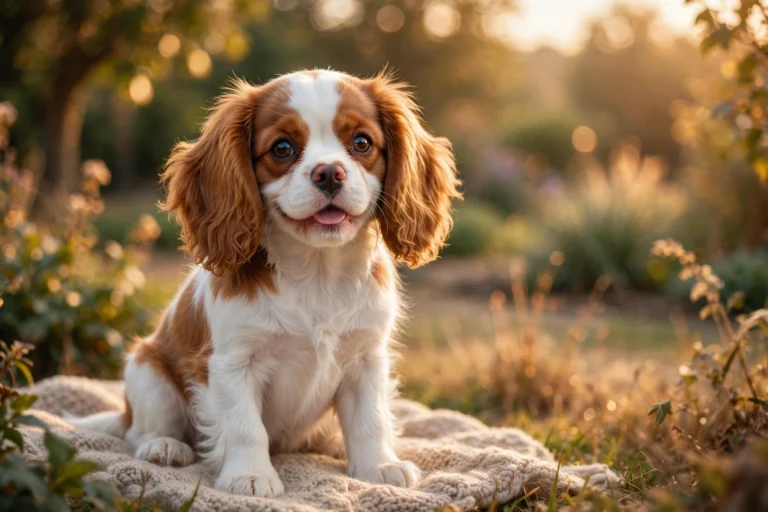
How to Protect Your Cavalier King Charles Spaniel’s Paws in Winter: 8 Tips
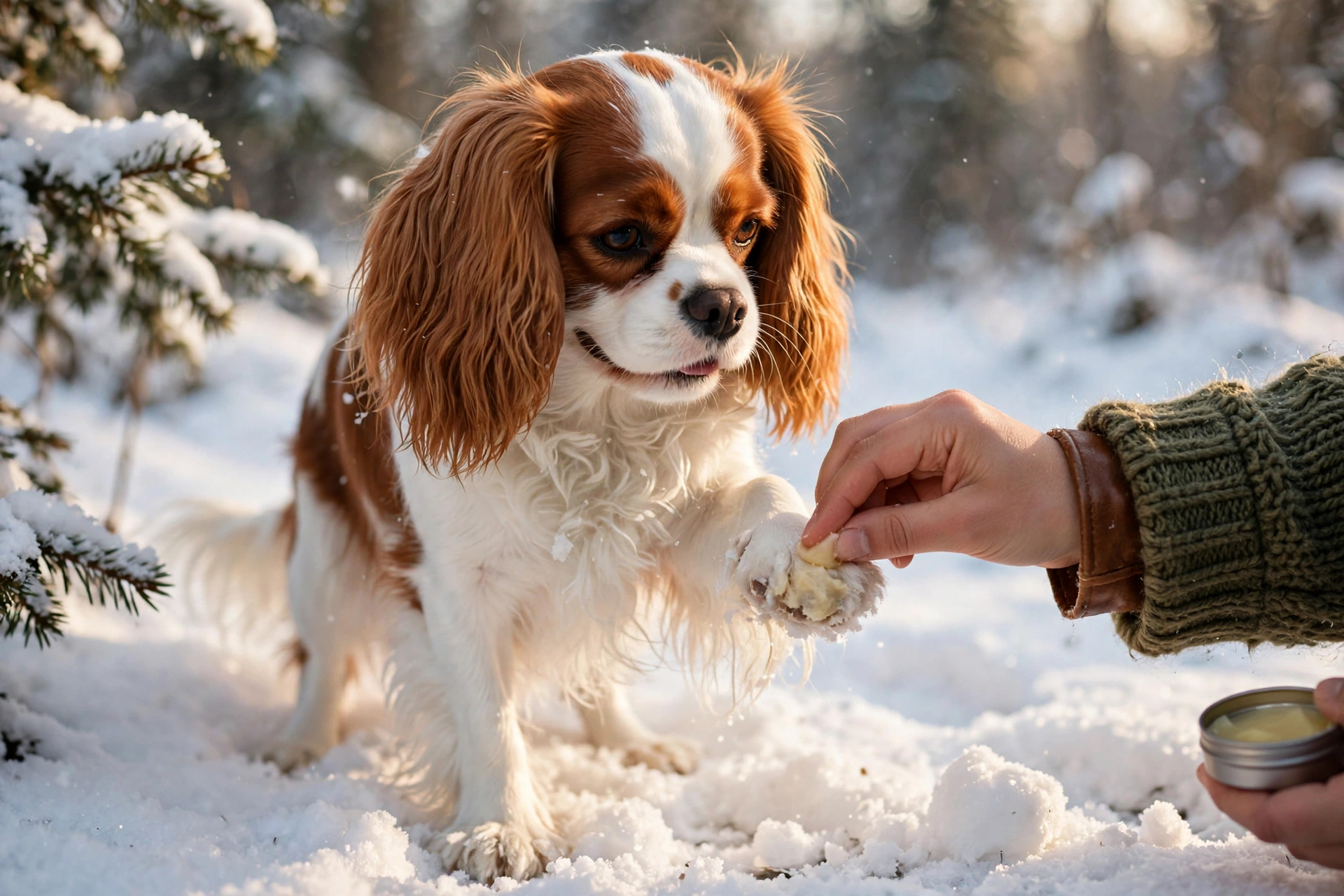
When snow starts falling, your Cavalier’s paws take the full force of winter. Icy sidewalks, road salt, and freezing temperatures can turn a joyful winter walk into a painful experience. Knowing how to protect Cavalier paws in winter is one of the kindest things you can do for your dog once the temperature drops.
Cavaliers have delicate, feathered feet that trap snow and ice between the toes, and their pads dry out and crack in cold air. Here are eight proven tips you can start using today.
Table of Contents
- Apply Paw Balm Before Every Walk
- Try Dog Booties on the Coldest Days
- Wipe Paws After Every Walk
- Trim the Fur Between the Toes
- Skip Rock Salt — Use a Pet-Safe Ice Melt
- Moisturize Dry Pads Throughout Winter
- Shorten Walks When It’s Bitterly Cold
- Inspect Paws Weekly for Cracks and Irritation
- Frequently Asked Questions
1. Apply Paw Balm Before Every Walk
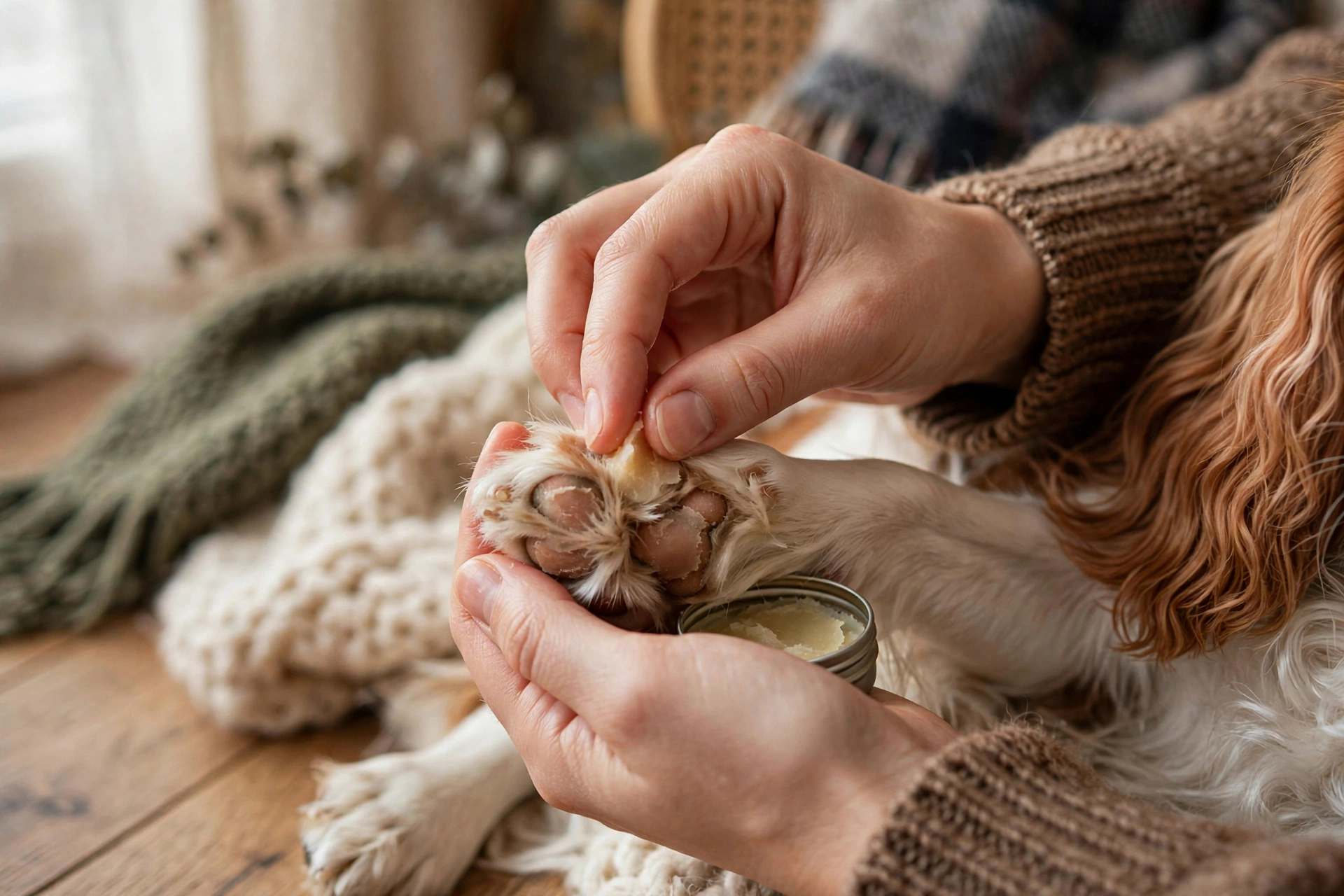
Think of paw balm as chapstick for your dog’s feet. A thin layer creates a breathable barrier that keeps moisture in and salt and ice out. Apply it to all four paws before you head out. Choose a lick-safe formula with natural ingredients like beeswax, shea butter, or vitamin E — your Cavalier will almost certainly taste it.
Make balm part of the routine, like clipping on the leash. Dogs who start winter with soft, conditioned pads resist cracking far better.
Helpful pick: Musher’s Secret Dog Paw Wax — a lick-safe wax balm originally developed for sled dogs that helps shield pads from snow, ice, and salt.
2. Try Dog Booties on the Coldest Days
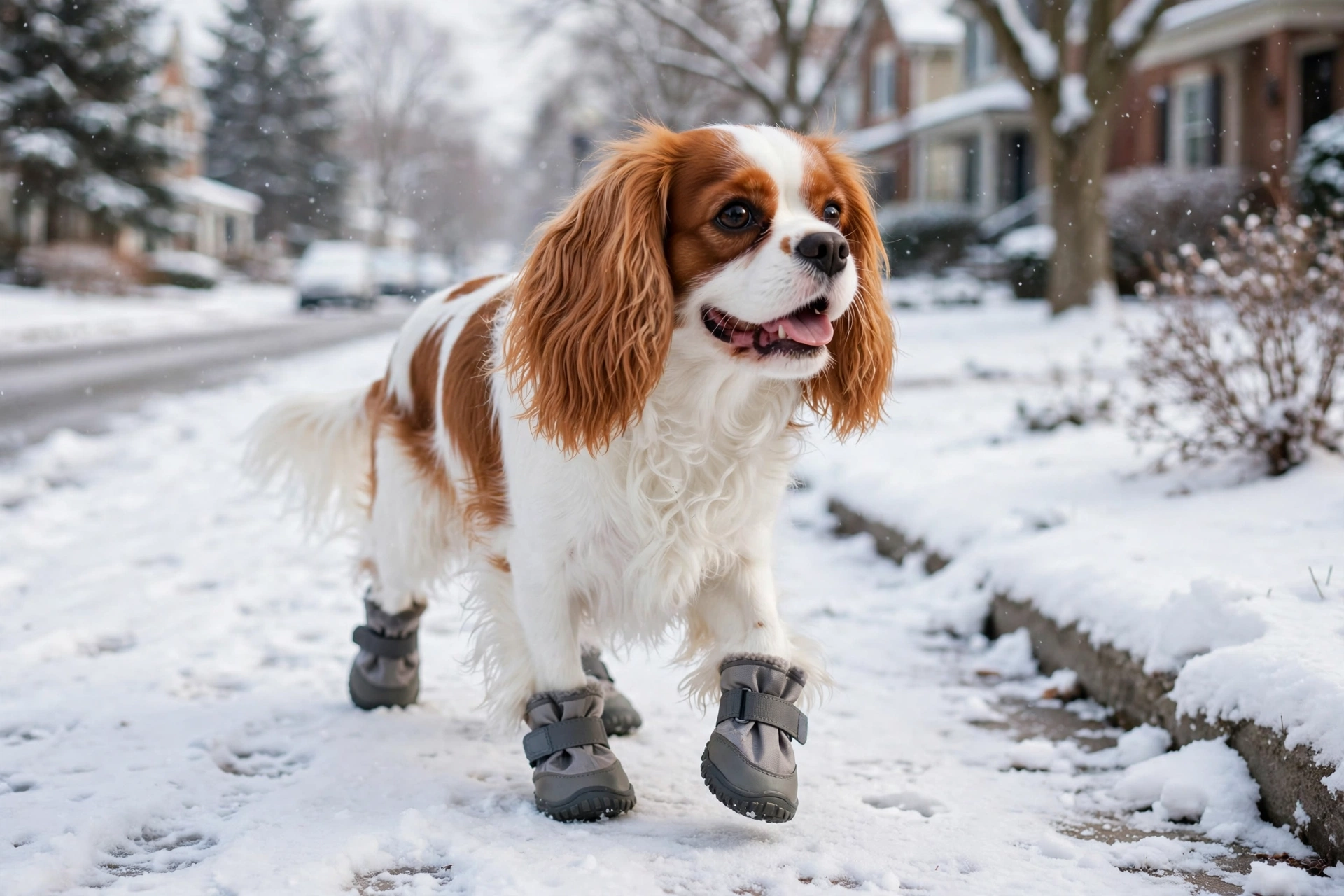
Booties are the closest thing to winter boots for dogs. On days when the sidewalk is crusted with ice or heavily salted, they protect your Cavalier’s feet far better than balm alone. The trick is fit: measure your dog’s paws while standing, and choose booties with adjustable straps. Introduce them indoors first with treats and praise — most Cavaliers take to them within a few days.
You do not need booties for every outing, but they are worth having for the worst weather of the season. They also stop ice balls from packing between the toes.
Helpful pick: YAODHAOD Dog Shoes for Small Dogs — a four-pack of anti-slip booties sized for small breeds, with adjustable straps to keep them secure.
3. Wipe Paws After Every Walk
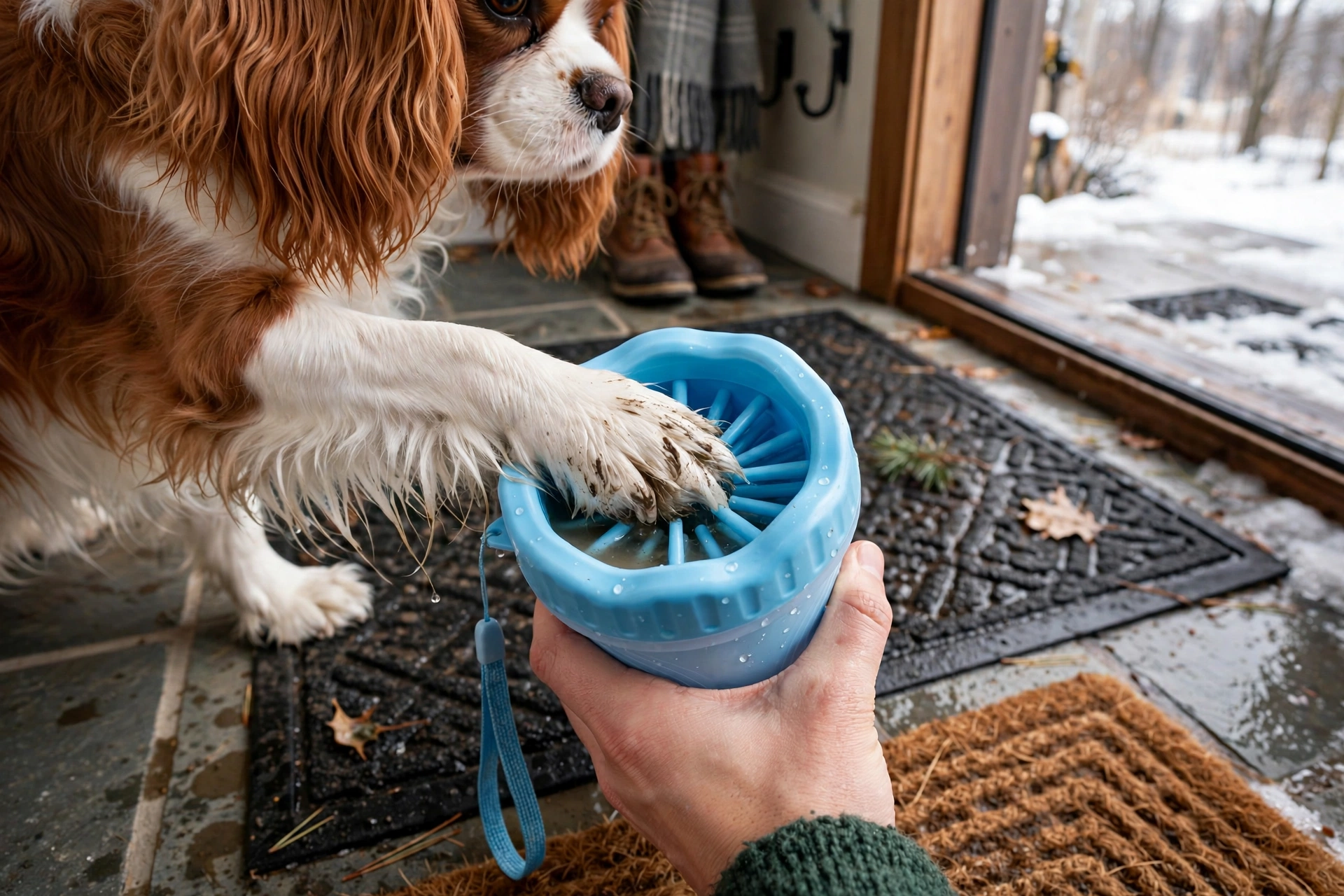
Even with balm and booties, winter grime finds its way onto paws. After each walk, wipe or wash all four feet with warm — never hot — water to dissolve salt and chemical residue. A paw washer cup with soft silicone bristles makes this a thirty-second job: fill it with warm water, dip each paw, twist gently, and pat dry with a clean towel. Pay special attention between the toes, where residue hides.
Drying matters as much as washing. Damp paws tracked through a warm house stay moist for hours, softening the pads and making them more vulnerable on the next outing.
Helpful pick: Dexas MudBuster Portable Dog Paw Washer, Small — a compact cup with gentle bristles that cleans paws with water alone, no soap needed.
4. Trim the Fur Between the Toes
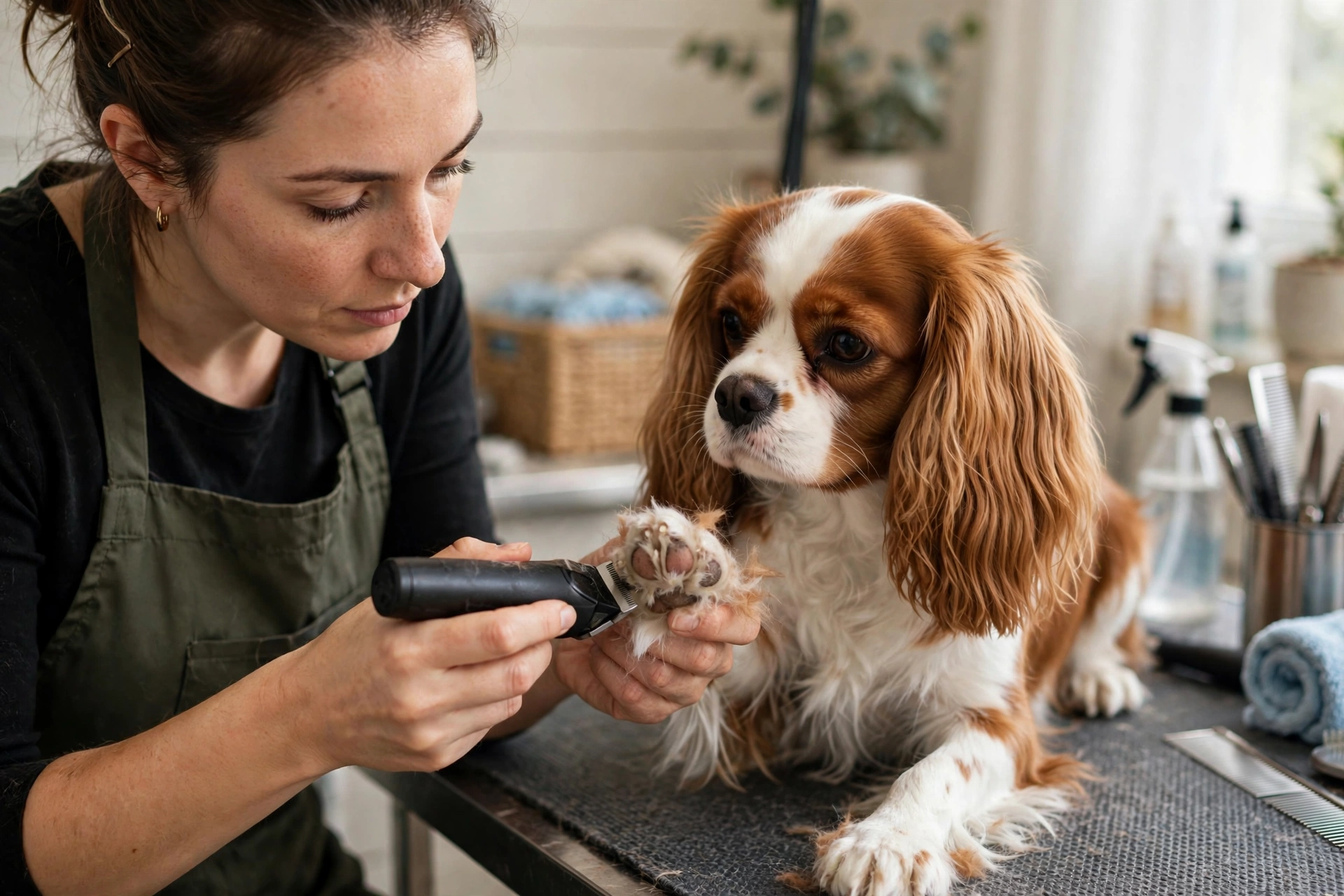
Cavaliers grow lovely feathering on their feet, but in winter that extra fur acts like a sponge for snow. Melted snow refreezes into hard ice balls between the toes, which are painful and can split the skin. Every couple of weeks, trim the fur flush with the paw pads so the pads are clearly visible. A small, quiet pet trimmer with a rounded blade makes the job safe and quick.
Only the fur under and between the toes needs to go. Always trim in good light, work slowly, and reward your dog so paw grooming stays positive.
Helpful pick: FURBONA Dog Paw Trimmer — a quiet, waterproof trimmer with a rounded blade designed for delicate paw-pad areas.
5. Skip Rock Salt — Use a Pet-Safe Ice Melt
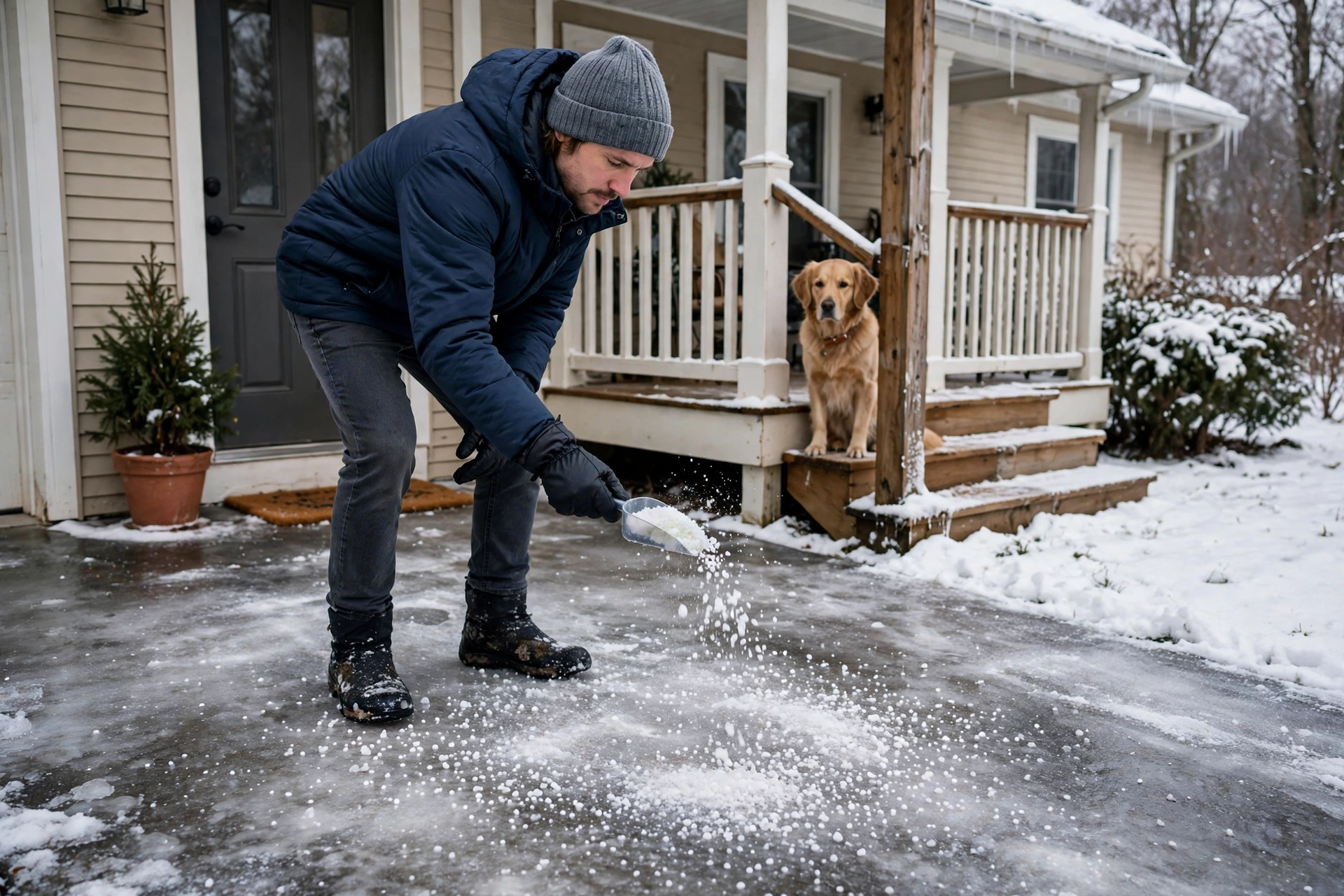
You cannot control what your city spreads on public sidewalks, but you can control your own driveway and steps. Traditional rock salt and calcium chloride melts irritate paw pads, cause chemical burns, and are dangerous if your dog licks his paws afterward. A pet-safe, salt-free ice melt gives you melting power without those risks. Look for formulas labeled non-toxic and safe for pets and children.
Spread it before a storm when possible — a thin preventive layer works better than a thick pile dumped on already-formed ice. And store the bag where curious noses cannot reach it.
Helpful pick: Safe Paw Pet-Safe Ice Melt — a salt-free, chloride-free formula designed to melt ice down to very low temperatures without harming paws.
6. Moisturize Dry Pads Throughout Winter
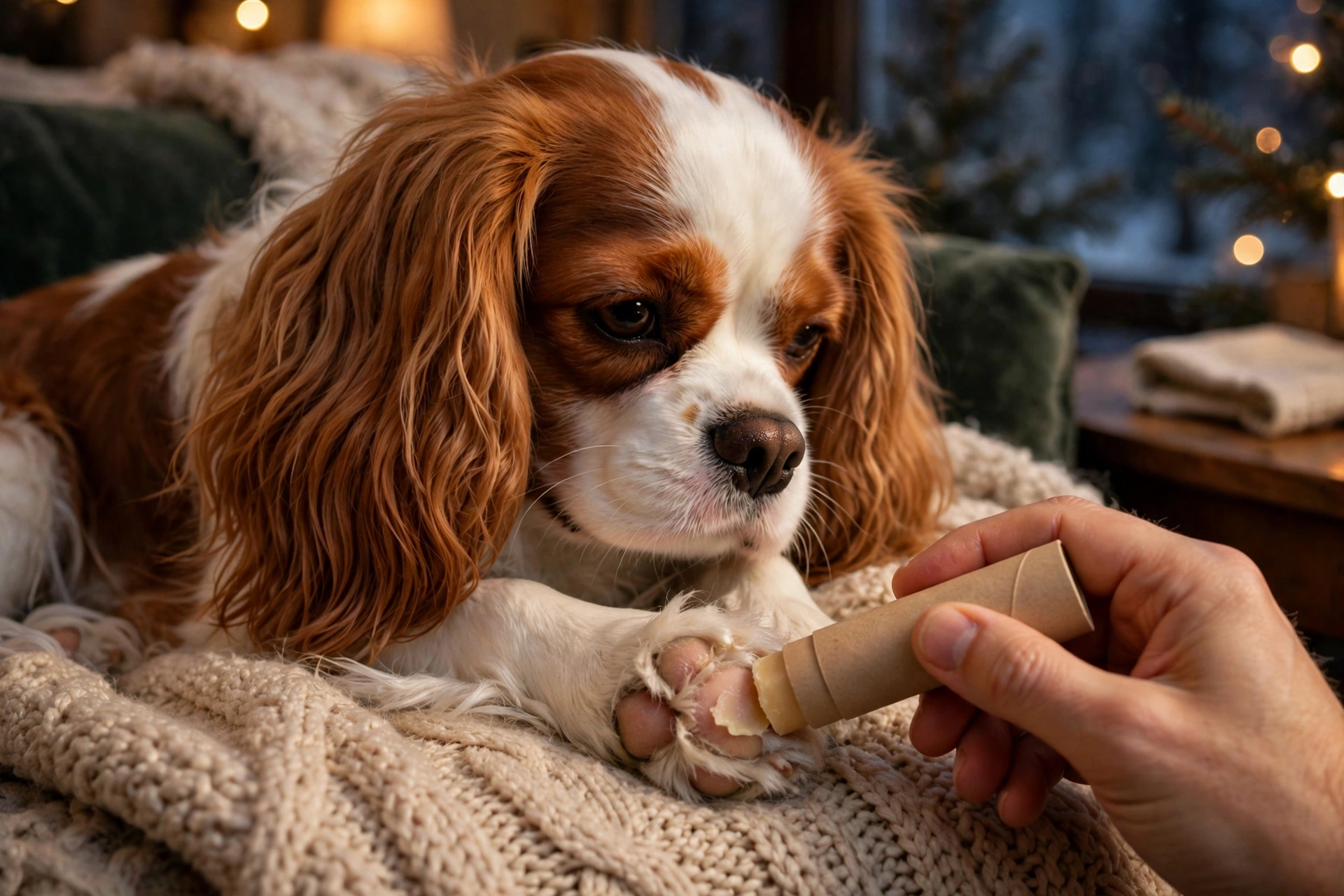
Indoor heating dries the air as aggressively as the cold does outside, so your Cavalier’s pads lose moisture around the clock. Beyond pre-walk balm, give the paws a conditioning treatment in the evening when your dog is relaxed. A balm stick makes this easy — a few swipes across each pad, a gentle massage, and you are done. Well-moisturized pads stay supple, which helps them resist cracking and keeps footing better on slippery floors.
If you notice rough, sandpapery pads, increase to twice daily until they soften. Small cracks that do not improve within a few days deserve a call to your vet.
Helpful pick: Natural Dog Company Paw Soother Balm Stick — a mess-free 2 oz stick with coconut oil and calendula that helps moisturize dry, rough paw pads.
7. Shorten Walks When It’s Bitterly Cold
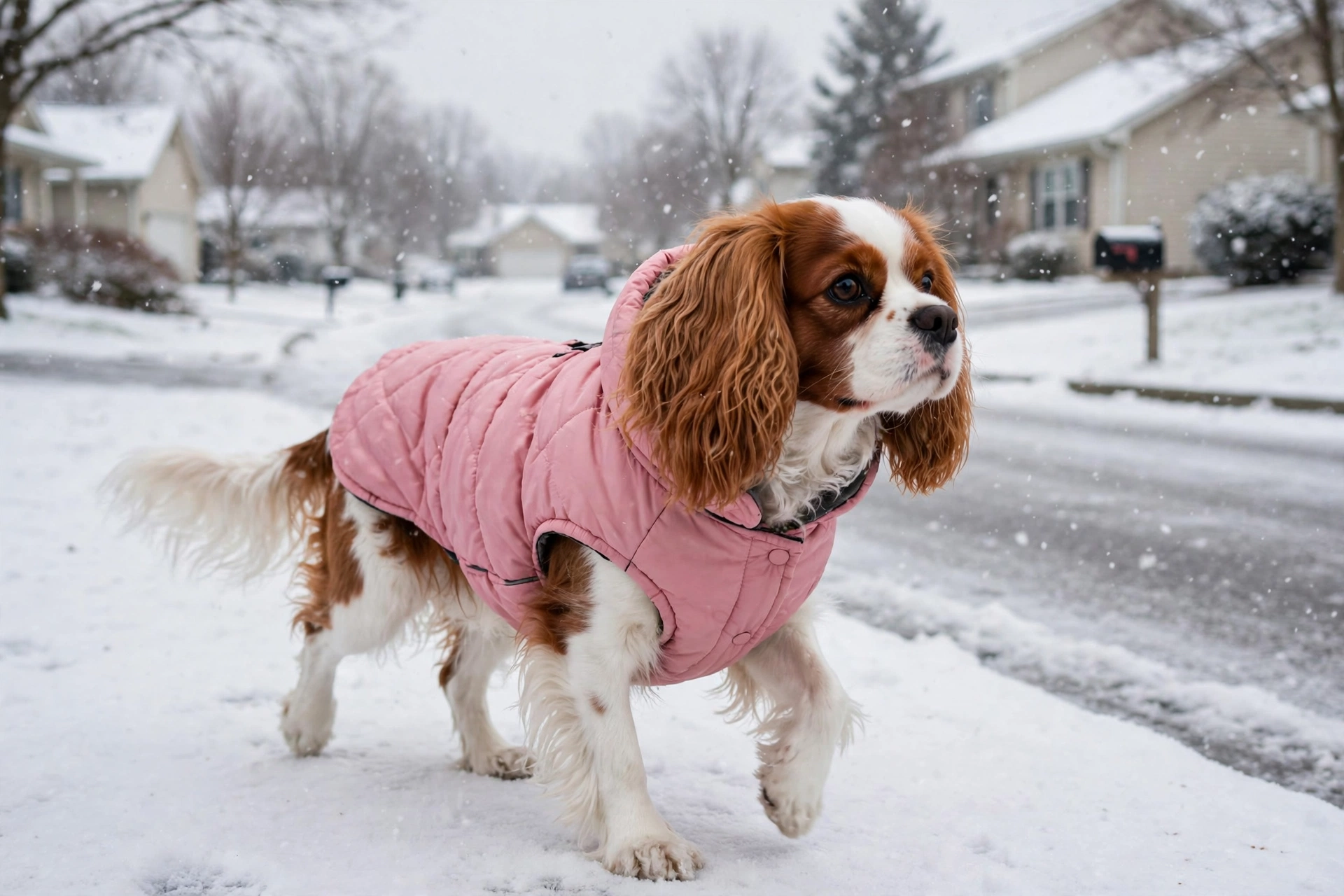
Cavaliers are not Arctic dogs. When temperatures plunge well below freezing, long walks put paws at risk of frostbite no matter how well you prepare. On the bitterest days, swap the long hike for a short bathroom break plus indoor play — a hallway game of fetch or a food puzzle keeps your dog happy without the exposure. A warm coat helps too, since a shivering dog cools its extremities faster.
Watch for warning signs on any walk: lifting paws off the ground, whining, or suddenly stopping usually means the feet are too cold. Head home immediately if you see them.
Helpful pick: Gooby Padded Vest Dog Jacket — a fleece-lined, water-resistant vest designed for small breeds, easy to step into without fuss.
8. Inspect Paws Weekly for Cracks and Irritation
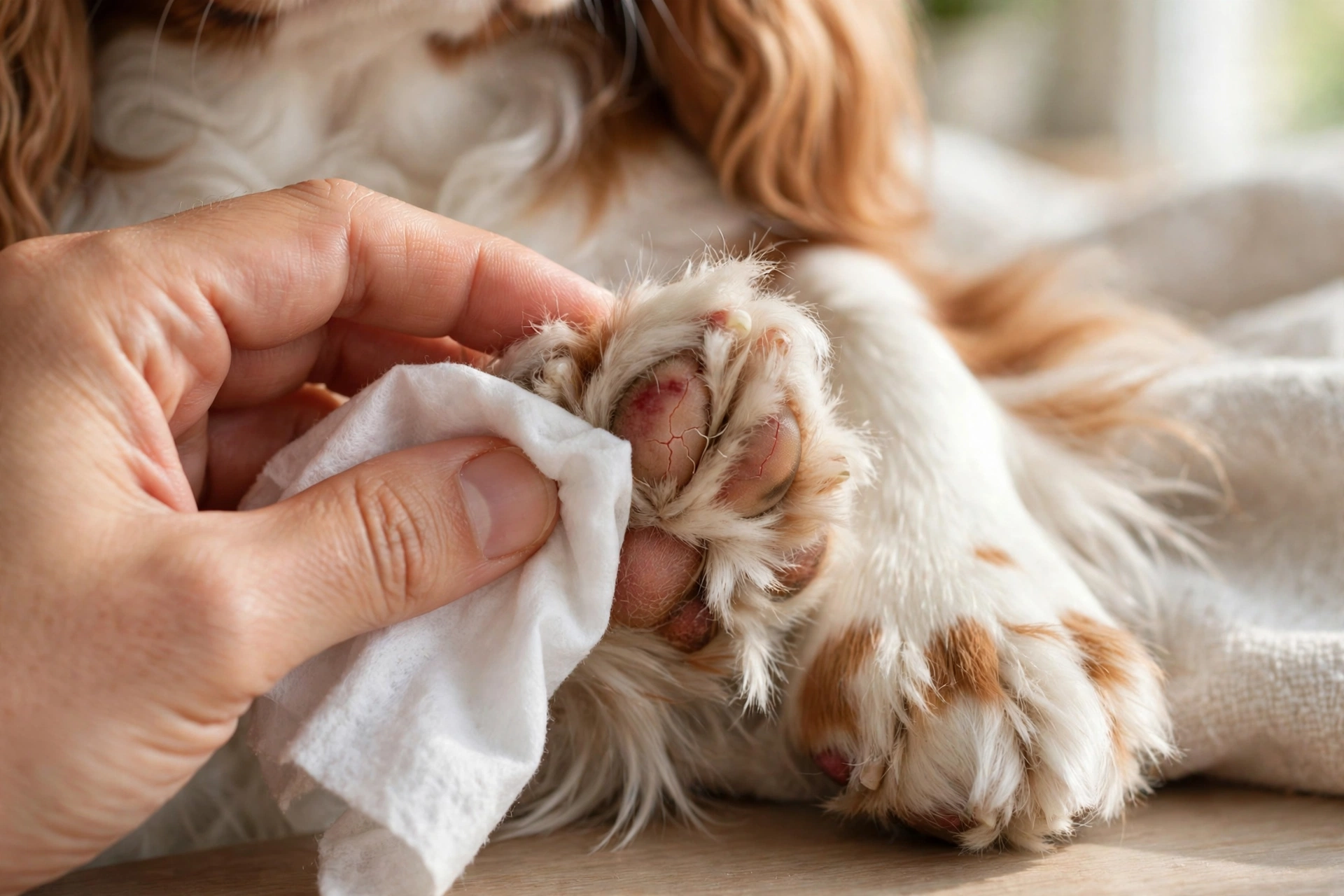
Make a habit of checking all four paws once a week through winter. Look for cracks, cuts, redness between the toes, swelling, or dark staining that could signal irritation. Gently press each pad — your dog should not flinch — and sniff for any unusual odor, which can indicate infection. Wipe the paws with a gentle pet wipe to clear away anything the weekly wash missed.
Small cracks respond well to rest and extra moisturizing, but deep splits, limping, bleeding, or sores that do not improve within a day or two warrant a veterinary visit.
Helpful pick: Earth Rated Pet Grooming Wipes — gentle, lick-safe wipes that make quick paw clean-ups and inspections easy.
Frequently Asked Questions
Do Cavalier King Charles Spaniels need booties in winter?
Not always, but they help on the worst days. If sidewalks are icy, heavily salted, or far below freezing, booties protect delicate Cavalier paws better than balm alone. For mild winter days, paw balm plus a post-walk wash is usually enough.
Is Vaseline safe for my dog’s paws in winter?
Plain petroleum jelly is not toxic, but it is not the best choice. It does not absorb well, leaves greasy residue on your floors, and offers no nourishing ingredients. A purpose-made, lick-safe paw balm with natural waxes and oils protects better and is made for this job.
How can I tell if my Cavalier’s paws are too cold?
Lifting paws off the ground, limping, whining, or stopping mid-walk are the classic signs. Head inside and warm the paws gradually with a room-temperature towel — never hot water.
Why does my dog lick his paws so much in winter?
Winter paw-licking is usually a sign of irritation from salt, dryness, or tiny cracks. Wash the paws with warm water, pat dry, and apply moisturizer. If the licking persists or you see redness or sores, have your vet take a look.
Can ice get stuck between my Cavalier’s toes?
Yes — this is one of the most common winter paw problems for feathered breeds. Snow melts between the warm toes and refreezes into hard ice balls that hurt. Trimming the fur between the toes and applying paw balm before walks both help prevent it.
Keep Reading
- Cavalier King Charles Spaniel Health Issues: What Every Owner Should Know
- Start With a Healthy Puppy: A Buyer’s Guide
- Dog Body Language Guide: What Your Dog Is Really Telling You
- Signs Your Dog Loves You: 10 Sweet Clues
- How to Help a Dog With Separation Anxiety
As an Amazon Associate, PetPostHub earns from qualifying purchases.