How to Stop Your Dog from Chewing Drywall: 8 Fixes

Few things are as frustrating as coming home to find a chunk of your wall missing. If you’re searching for how to stop dog from chewing drywall, you’re dealing with one of the most expensive forms of destructive chewing — and one that can also be a health concern. The good news: drywall chewing almost always has a fixable cause, from boredom and separation anxiety to teething or even something hidden inside the wall. This guide walks you through 8 proven fixes that address the root cause, not just the symptom.
Table of Contents
- 1. Rule Out Separation Anxiety First
- 2. Burn Off the Excess Energy
- 3. Crate or Confine When Unsupervised
- 4. Make the Wall Taste Terrible
- 5. Block Access to the Chewed Spot
- 6. Give Them Something Better to Chew
- 7. Get a Vet Check for Pica
- 8. Never Punish — Redirect Instead
- Why Dogs Chew Drywall
- Frequently Asked Questions
1. Rule Out Separation Anxiety First
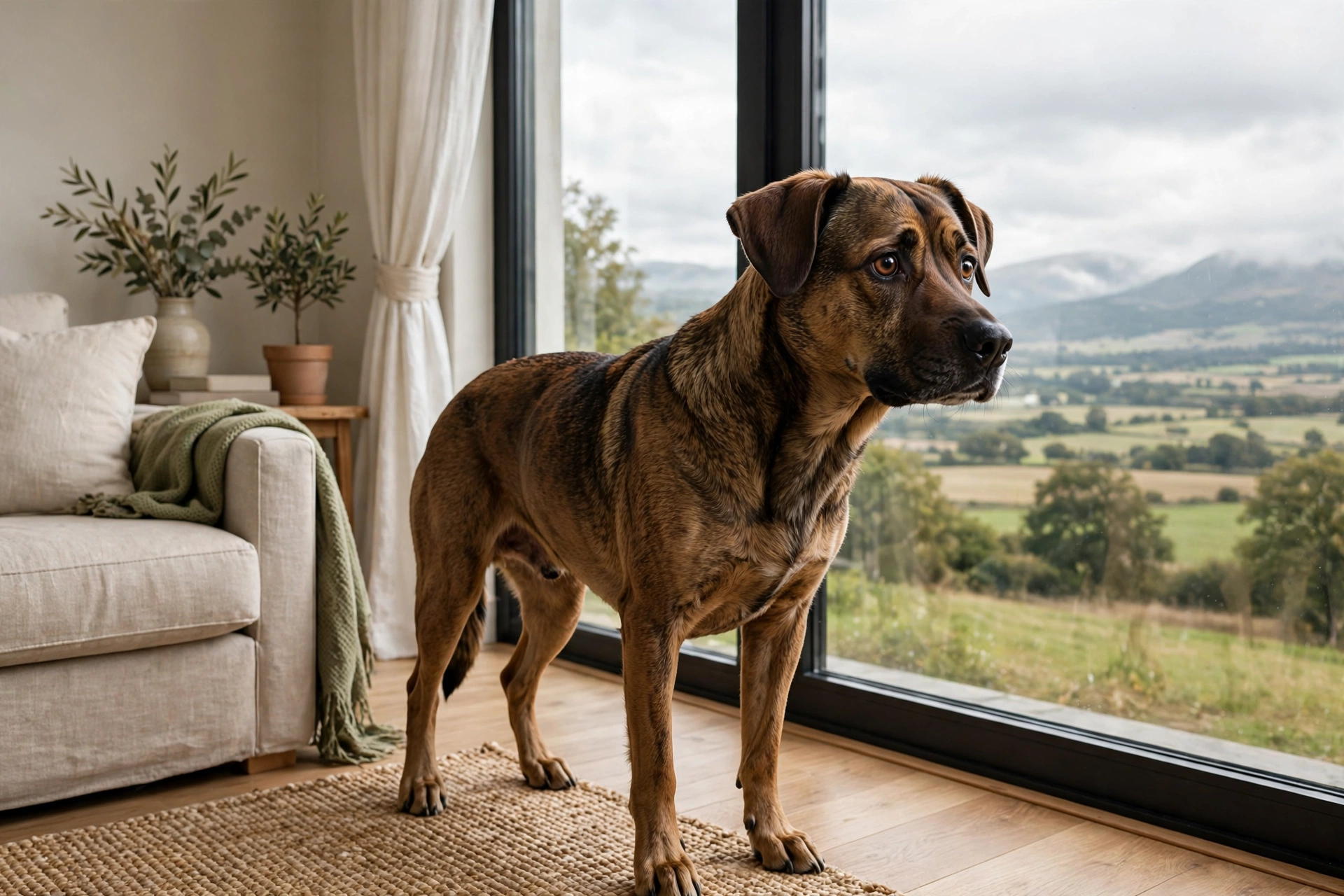
Drywall damage is one of the classic signs of separation anxiety. When the destruction happens mainly while you’re away — especially at doors, windows, and walls near exits — your dog is likely panicking, not being naughty. Separation anxiety chewing is frantic: it happens within minutes of your departure and targets barrier points as the dog tries to reach you.
What to do: Watch for other signs like excessive drooling, pacing, whining when you pick up your keys, or accidents in an otherwise housetrained dog. Practice gradual departures: leave for a minute, return calmly, and slowly stretch the time. Calming products can support the training. If the panic is severe, talk to your vet or a certified behaviorist — this is the one fix you should prioritize, because every other solution fails until the anxiety is addressed.
Helpful pick: ADAPTIL Calm Home Diffuser — releases calming pheromones that support relaxation while you work on desensitization training.
2. Burn Off the Excess Energy

A bored dog with energy to spare will make his own entertainment, and drywall has a satisfying crunch. Many owners are surprised to learn that what looks like a behavior problem is actually a fitness problem. Most adult dogs need at least 30–60 minutes of real exercise daily — a slow stroll around the block doesn’t count for a high-energy breed.
What to do: Add a morning workout before you leave for work: fetch, a long walk with sniffing time, tug, or a flirt pole session. Mental exercise counts too — a tired brain is as calming as tired legs. Aim for a dog who is genuinely sleepy, not just walked, when you head out the door.
Helpful pick: Chuckit! Ball Launcher — throws farther with less effort, so you can tire your dog out in half the time.
3. Crate or Confine When Unsupervised

You can’t correct behavior you can’t see. Every minute your dog practices chewing drywall, the habit gets stronger — and every unsupervised hour is practice time. Until the chewing is resolved, your dog should never have free access to the whole house when you’re gone. An exercise pen is a great middle ground for dogs who hate tight crates: it gives them room to move while removing access to walls.
What to do: Set up a dog-proofed area with a comfy bed, water, and safe chew toys. If you crate train, make the crate a positive place with stuffed Kongs — never use it as punishment. The goal is temporary management while you work on the underlying cause.
Helpful pick: MidWest Homes for Pets 30-Inch Exercise Pen — creates a safe, roomy play area indoors that keeps your dog away from the walls.
4. Make the Wall Taste Terrible

Bitter taste deterrents are a classic, humane way to make drywall unappealing. They work best when combined with the other fixes — a deterrent alone rarely stops a truly anxious or bored dog, but it makes the wall dramatically less rewarding while you retrain the habit.
What to do: Spray the chewed area (and a wide border around it) daily for at least three to four weeks — long enough to break the habit. Test the spray in an inconspicuous spot first, since some formulas can stain paint. And watch your dog’s reaction: a small minority of dogs actually like the taste, in which case you need a different strategy.
Helpful pick: Grannick’s Bitter Apple Spray, 16 oz — the long-standing standard in bitter taste deterrents for dogs.
5. Block Access to the Chewed Spot

Dogs are creatures of habit — they’ll return to the same spot again and again. Physically blocking that corner or wall section breaks the cycle instantly. Strategically placed furniture, a freestanding room divider, or a pet gate keeps the dog from reaching the damaged area while you repair it and retrain the behavior.
What to do: Patch the drywall first (crumbling holes invite re-chewing), then block the area. A gate works well for hallways and doorways; furniture or a panel works for individual wall corners. Keep the barrier up for a few weeks after the behavior stops, then remove it gradually.
Helpful pick: Newnice Baby Gate with Cat Door — an easy way to fence off the chewed wall area without major rearranging.
6. Give Them Something Better to Chew

Chewing is a natural, stress-relieving behavior — you can’t eliminate it, but you can redirect it. Dogs who chew drywall often just need something more satisfying and appropriate. Tough, long-lasting chew toys give your dog an approved outlet for the exact urge that’s destroying your walls.
What to do: Offer a rotation of durable chews — rubber toys you can stuff with peanut butter and freeze, nylon bones, and puzzle toys. Rotate them weekly so they stay novel. Stuffed, frozen Kongs are especially good for dogs with anxiety, because licking is naturally calming.
Helpful pick: Benebone Wishbone Dog Chew Toy — tough, long-lasting, and flavored to keep heavy chewers occupied.
7. Get a Vet Check for Pica

When a dog persistently eats non-food items like drywall, it can be a sign of pica — a medical condition where animals crave things with no nutritional value. Pica can be linked to nutritional deficiencies, anemia, liver problems, or gastrointestinal issues. If your dog is actually swallowing drywall (not just shredding it), or if the behavior started suddenly in an adult dog, a vet visit is essential.
What to do: Ask your vet about bloodwork to rule out anemia, liver issues, and nutritional deficiencies. Also mention the behavior’s timeline — a sudden change can point to a medical cause rather than a behavioral one. While you’re there, review your dog’s diet to make sure it’s complete and balanced.
Helpful pick: PetMedics Non-Contact Pet Thermometer — a quick way to check for fever at home if your dog seems off before the vet visit.
8. Never Punish — Redirect Instead

It’s tempting to scold when you find a hole in the wall, but punishment after the fact doesn’t work — your dog can’t connect your anger to something he did an hour ago. Worse, punishment increases anxiety, and anxiety is one of the biggest drivers of drywall chewing. The “guilty look” you see is fear of your reaction, not remorse.
What to do: If you catch your dog chewing in the moment, interrupt calmly with a sound (a clap or “uh-uh”), then immediately redirect to an appropriate chew toy and reward the switch. Praise and treat every time your dog chooses the right thing to chew. The more the approved chew is rewarded, the faster it becomes the habit.
Helpful pick: KONG Classic — the gold standard redirect toy: stuff it, freeze it, and reward your dog for choosing it over the wall.
Why Dogs Chew Drywall
Understanding the “why” makes the fixes work faster. The most common causes:
- Separation anxiety: Panic when left alone drives frantic chewing at doors, windows, and walls near exits.
- Boredom and excess energy: An under-exercised dog creates his own entertainment — drywall has a satisfying texture and crunch.
- Teething: Puppies chew everything to relieve sore gums; drywall edges are just available.
- Sounds or smells inside the wall: Some dogs hear or smell mice, insects, or even pipes through the wall and dig to investigate. If the chewing is focused on one odd spot, consider pest activity.
- Pica or nutritional issues: Compulsive eating of non-food items can signal a medical problem — see Fix #7.
- Attention: If a big reaction follows the chewing, some dogs learn that drywall = instant attention. Stay calm and redirect instead.
One safety note: drywall itself is generally not toxic, but ingested chunks can cause vomiting, diarrhea, or — in large amounts — intestinal blockage. If your dog swallowed a lot of drywall or shows signs of distress, call your vet right away.
Frequently Asked Questions
Is drywall toxic to dogs?
Drywall is generally not toxic, but it’s not safe either. Large swallowed pieces can cause gastrointestinal irritation, vomiting, diarrhea, or intestinal blockage, which can require surgery. Keep your dog from eating more and watch for symptoms; call your vet if your dog seems unwell.
Why does my dog chew drywall only when I’m gone?
That’s the hallmark of separation anxiety — the dog panics after you leave and chews barriers (walls, doors, window frames) trying to reach you. See Fix #1; this cause needs anxiety training, not just deterrents.
Will bitter apple spray stop drywall chewing?
It can help as part of a plan — it makes the wall taste bad, which reduces the reward of chewing. But on its own it rarely stops determined, anxious, or bored dogs. Combine it with exercise, management, and redirection for real results.
How do I repair drywall my dog chewed?
For small holes, clean the area, apply a patch, spackle, sand, and repaint. For large holes, you may need to cut out the damaged section and install a new drywall patch. Just make sure you’ve addressed the behavior first, or you’ll be repairing it twice.
Should I crate my dog to stop wall chewing?
Management helps, but only if your dog is properly crate trained and comfortable — an anxious, un-crated-trained dog in a crate can injure himself or destroy the crate. An exercise pen is often a better middle ground. And management alone isn’t enough: you still need to address the underlying cause.
Keep Reading
- How to Stop Your Dog from Chewing Walls
- How to Stop Your Dog from Chewing Furniture
- How to Prevent Separation Anxiety in Puppies
- Why Does My Dog Dig on My Bed?
As an Amazon Associate, PetPostHub earns from qualifying purchases.