12 Longest-Living Small Dog Breeds (Healthy Years Together)

Choosing a dog is really choosing a companion for a chapter of your life — and when it comes to the longest living small dog breeds, that chapter can stretch well into a second decade. Small dogs simply tend to outlive their larger cousins: they age more slowly, put less strain on their hearts and joints, and often reach 14, 16, or even 18 years with good care.
But not all small breeds are equal in the longevity department. Below are 12 small dog breeds known for remarkably long lifespans, with each breed’s typical age range, what keeps them ticking, and the one health watch-out to keep on your radar. If you’re still deciding which little companion fits your life, see our guide to the best small dogs for first-time owners.
Table of Contents
- 1. Chihuahua
- 2. Dachshund
- 3. Toy Poodle
- 4. Shih Tzu
- 5. Maltese
- 6. Beagle
- 7. Yorkshire Terrier
- 8. Miniature Schnauzer
- 9. Havanese
- 10. Bichon Frise
- 11. Cavalier King Charles Spaniel
- 12. Pomeranian
- How to Help Any Small Dog Live Longer
- Frequently Asked Questions
1. Chihuahua
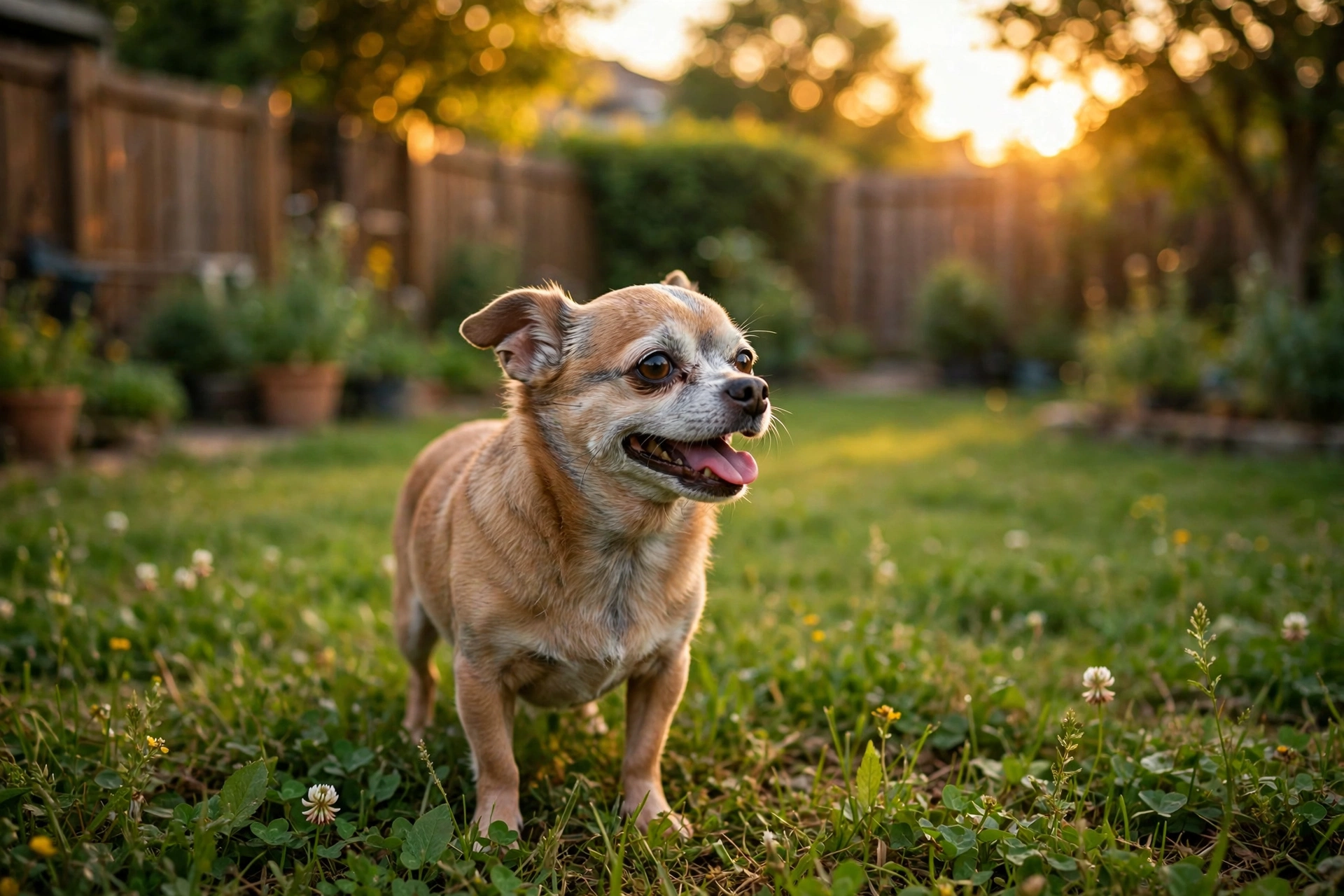
Average lifespan: 14–16 years
The Chihuahua regularly tops longevity rankings, and it is no accident. Weighing just 2–6 pounds, these tiny dogs place minimal load on their hearts, lungs, and joints, and their small body mass is linked with a slower aging rate. Chihuahuas are also famously devoted — that strong bond keeps them active and mentally engaged into old age.
Health watch-out: Dental disease is the big one. Their tiny jaws crowd teeth together, so plaque builds up fast and can lead to infections that affect the whole body. Regular brushing and dental checkups are non-negotiable.
Helpful pick: GREENIES Original TEENIE Natural Dental Chews — sized for extra-small mouths and designed to help support a daily oral-care routine between brushings.
2. Dachshund
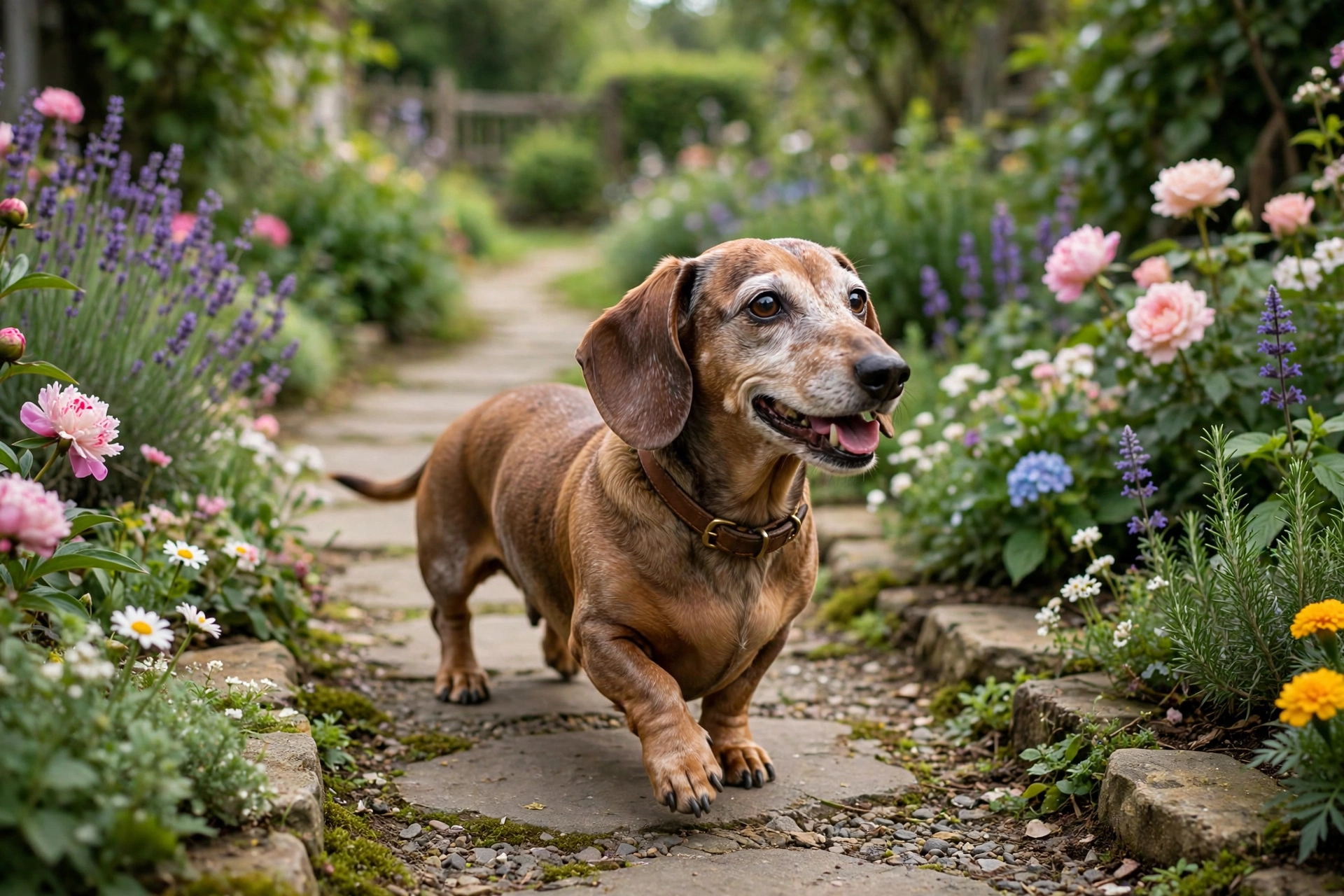
Average lifespan: 12–16 years
Dachshunds are long-lived in more ways than one. Their compact size gives them the small-breed aging advantage, and their spirited nature keeps them moving and mentally sharp for years. A Dachshund that stays lean and active often stays youthful-looking deep into its teens.
Health watch-out: Intervertebral disc disease (IVDD). That famously long back is vulnerable to slipped or herniated discs, especially in overweight dogs. Keep weight lean, use ramps instead of stairs where possible, and support their back when lifting.
Helpful pick: Bedsure Orthopedic Dog Bed for Small Dogs — memory-foam support that helps aging joints and backs rest comfortably through the night.
3. Toy Poodle
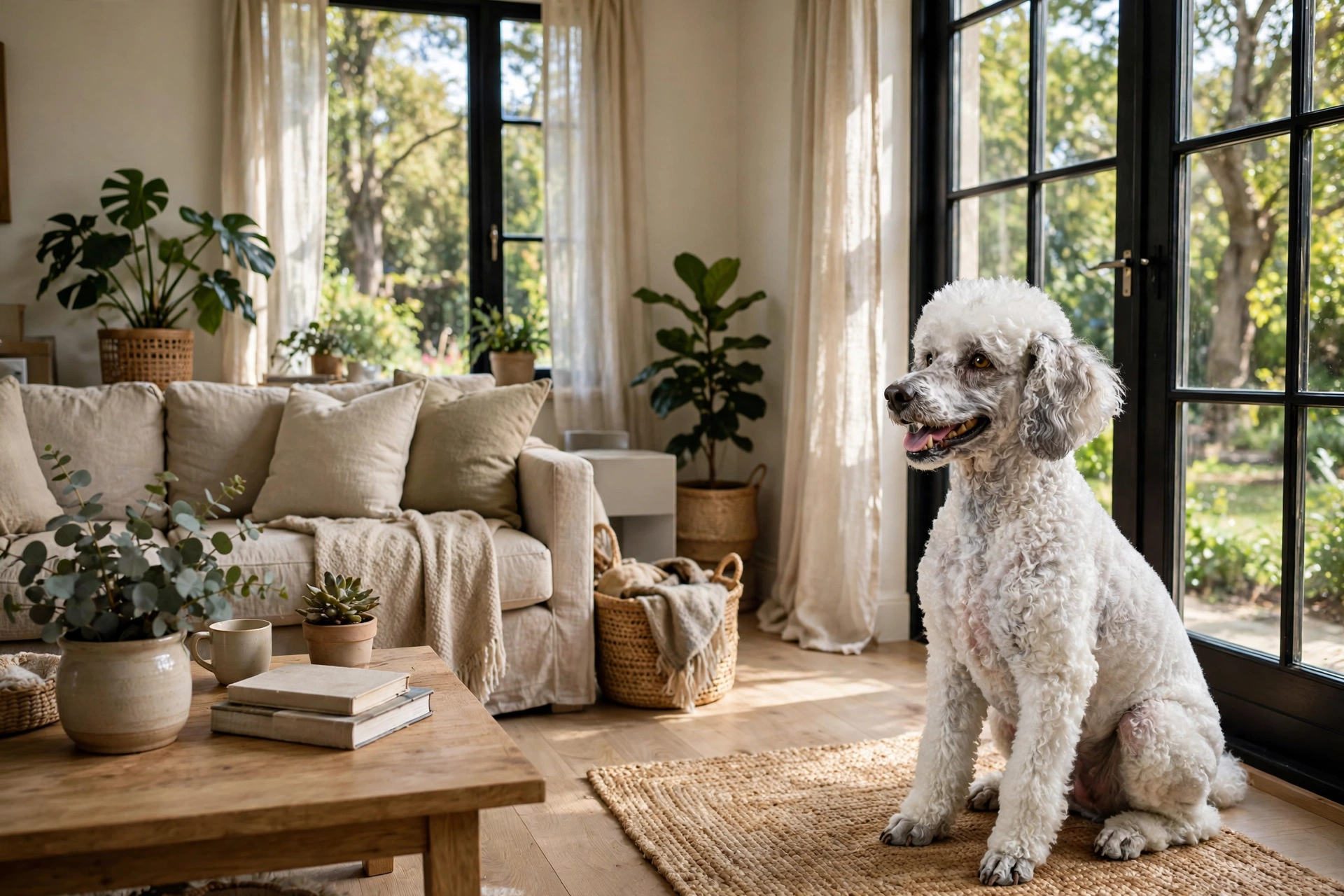
Average lifespan: 12–18 years
The Toy Poodle is one of the cleverest dogs on the planet, and that intelligence is part of its longevity secret. Poodles were bred as working retrievers, so they carry a robust, athletic genetic foundation. Their sharp minds thrive on training and puzzle-solving, and mental engagement is closely tied to healthy aging. Add a non-shedding, low-dander coat, and you have a breed built for the long haul. (Curious where Poodles rank among the brainiest breeds? See our list of the smartest small dog breeds.)
Health watch-out: Dental disease and luxating patellas (slipping kneecaps) are the most common issues. Regular dental care and keeping weight in check go a long way.
Helpful pick: Outward Hound by Nina Ottosson Dog Smart Treat Puzzle — a beginner-friendly puzzle toy that helps support mental stimulation and keeps that brilliant mind busy.
4. Shih Tzu
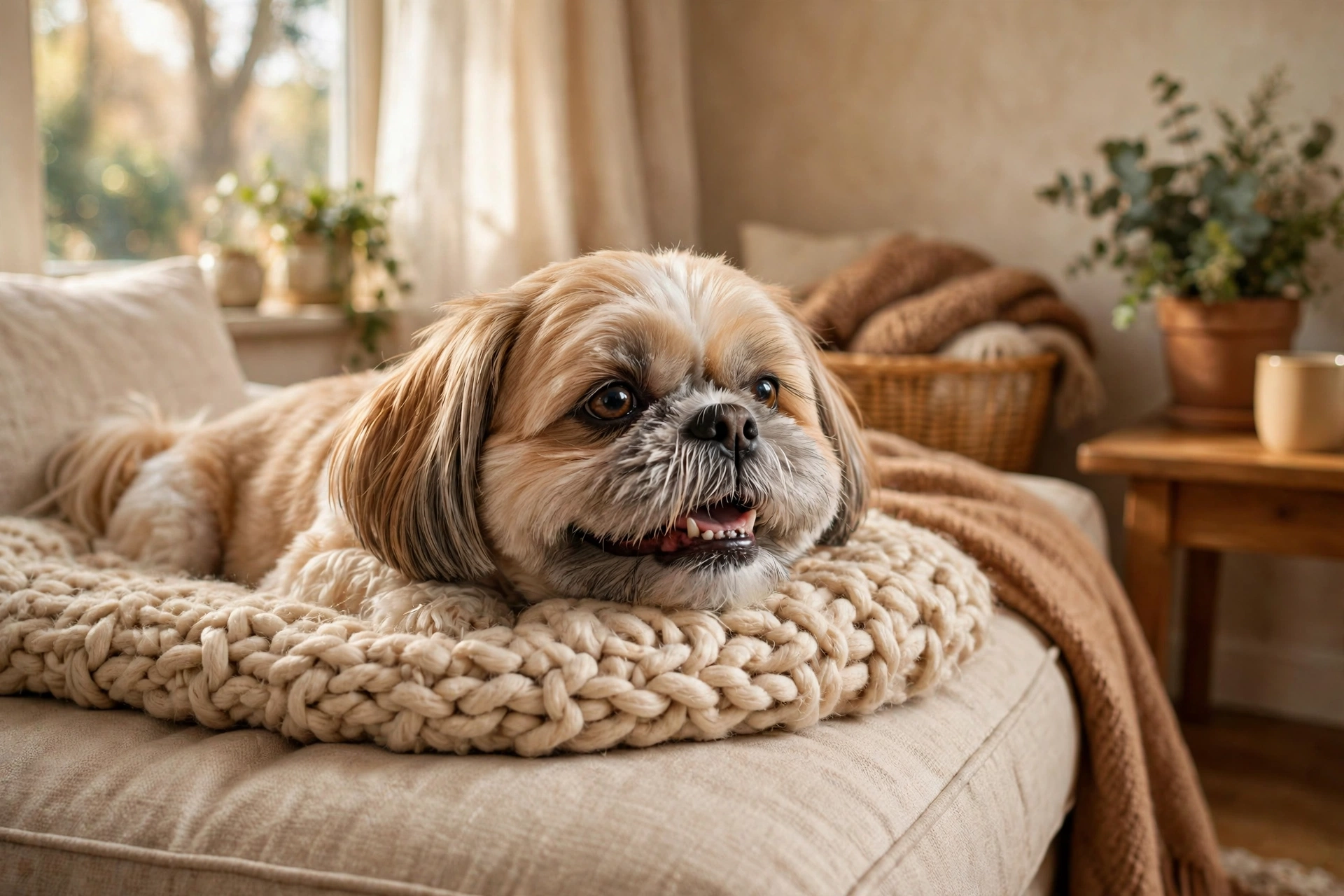
Average lifespan: 10–18 years
Bred for centuries as palace companions in China, the Shih Tzu was quite literally designed for a long, pampered life. They are sturdy little dogs under all that fluff, with a calm temperament that keeps stress — a real aging factor — low. Their modest exercise needs make them easy to keep fit, and their affectionate nature means they are rarely short on the love that keeps senior dogs thriving.
Health watch-out: Their flat faces make them prone to breathing issues and eye problems, from dry eye to corneal irritation. Keep the hair around their eyes trimmed and watch for squinting or discharge.
Helpful pick: Petkin Pet Wipes for Dogs and Cats — extra-gentle wipes that help support daily clean-ups around the face, eyes, and ears between baths.
5. Maltese

Average lifespan: 12–15 years
One of the oldest toy breeds in existence, the Maltese has been a beloved lapdog for over 2,000 years — and the breed has had all that time to become a hardy little survivor. Maltese are generally healthy, cheerful dogs with few serious inherited conditions. Their silky white coat is hypoallergenic and sheds very little (see more low-shedding picks in our small dogs that don’t shed guide), and their gentle personality suits calm households.
Health watch-out: Like many toy breeds, dental disease is the top concern, followed by luxating patella. Start a dental routine early and stick with it.
Helpful pick: Pet Republique Enzymatic Dog Toothpaste Kit — includes a mini handle brush and soft finger brushes sized for tiny mouths, to help support everyday dental care.
6. Beagle
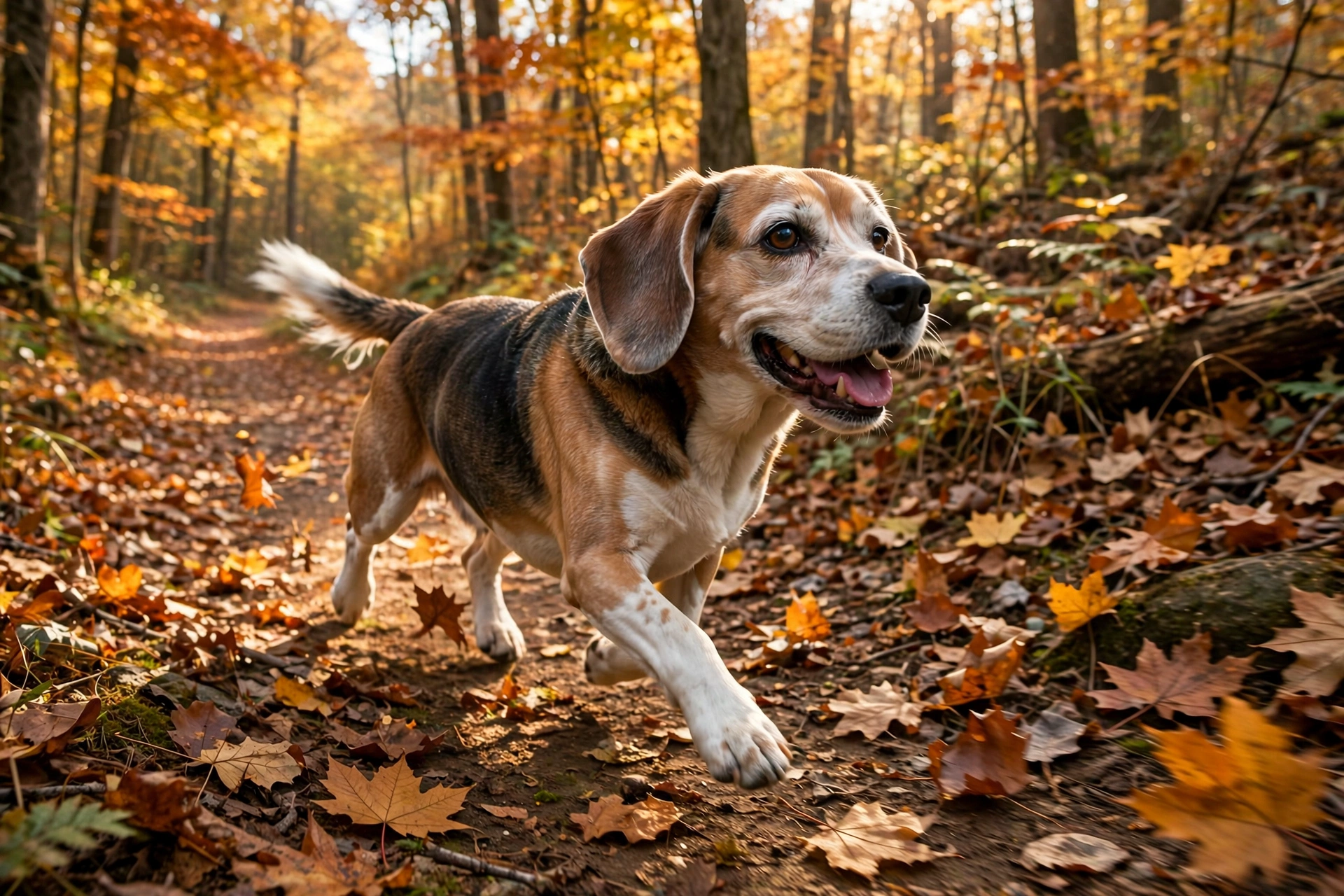
Average lifespan: 12–15 years
The Beagle is the sturdy, merry workhorse of the small-dog world. Bred for endurance in the field, Beagles carry strong bones, good hearts, and an enthusiastic appetite for life. Their robust constitution and love of exercise help them stay in shape, and their cheerful temperament keeps them socially engaged, which matters more for aging than most people realize.
Health watch-out: Obesity. Beagles are champion beggars with food-obsessed noses, and extra pounds strain joints and organs and can shave years off their lives. Measure meals, go easy on treats, and keep them moving.
Helpful pick: Outward Hound Fun Feeder Slo Bowl (Small) — a maze-style slow feeder that helps support a healthier eating pace for food-motivated pups.
7. Yorkshire Terrier

Average lifespan: 13–16 years
Do not let the tiny frame fool you — the Yorkie is a terrier through and through, with the feisty spirit and sturdy constitution to match. Originally bred to catch rats in textile mills, Yorkshire Terriers are tougher than they look, and their small size plus big personality is a classic longevity combination. They bond intensely with their people, and that constant companionship keeps them active and alert deep into their senior years. Their silky coat also sheds very little, which is a bonus covered in our small dogs that don’t shed guide.
Health watch-out: Tracheal collapse and dental disease are the main concerns. Use a harness instead of a collar to avoid pressure on the windpipe, and keep up with dental care.
Helpful pick: WHIMZEES Wellness Daily Brushzees (XS) — extra-small, plant-based daily dental chews designed to help support clean teeth and fresh breath.
8. Miniature Schnauzer
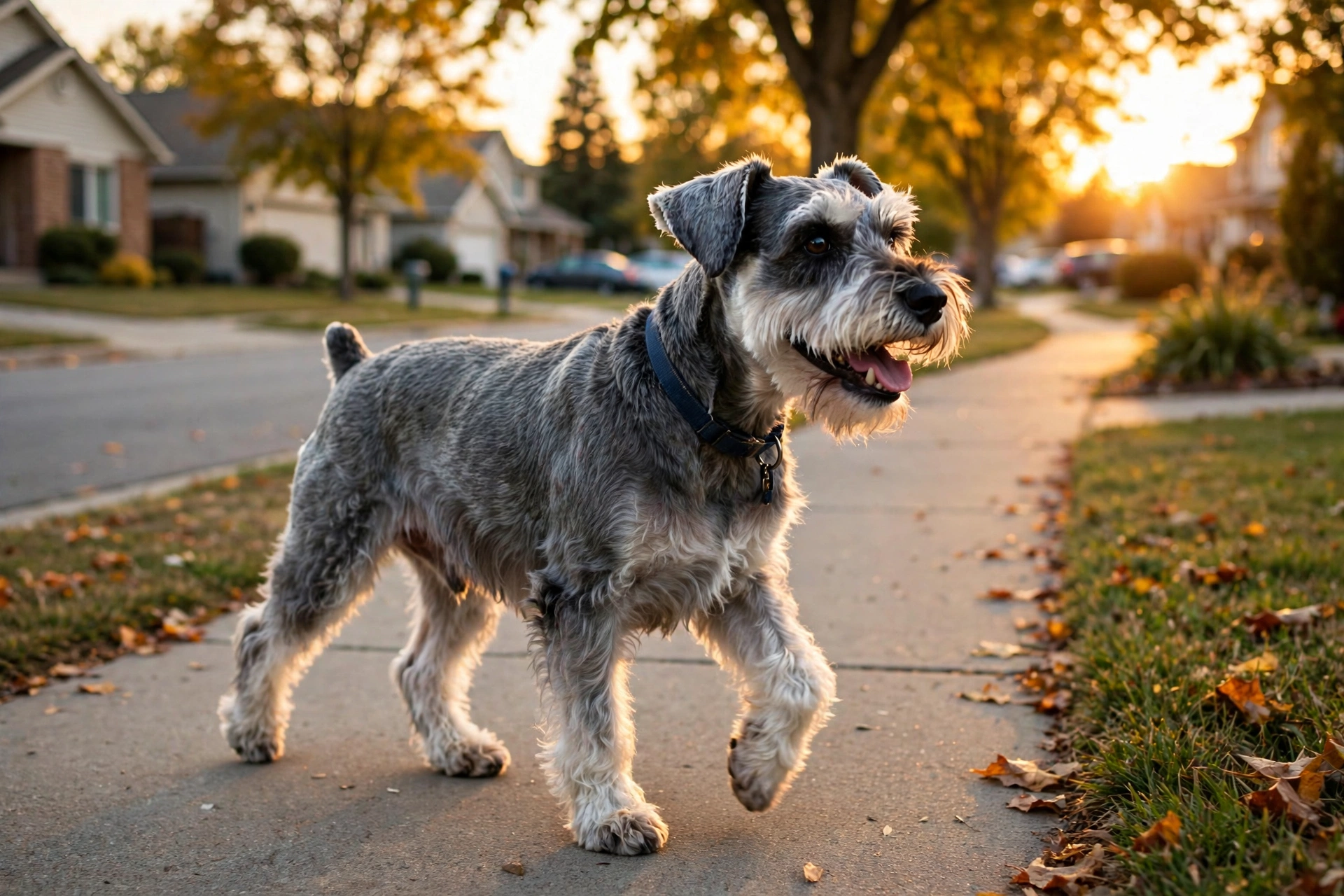
Average lifespan: 12–15 years
The Miniature Schnauzer is a robust, spirited little dog with the heart of a much bigger breed. Bred down from farm ratters, these dogs are sturdy, active, and remarkably adaptable. Their wiry, low-shedding coat needs regular grooming, and their eagerness to learn keeps training — and their minds — engaged for years.
Health watch-out: Pancreatitis. This breed is prone to high blood fat levels, so rich, fatty foods and table scraps can trigger dangerous flare-ups. Feed a balanced, appropriate-fat diet and skip the greasy leftovers.
Helpful pick: Hill’s Science Diet Senior Vitality Adult 7+ Small & Mini — a senior formula crafted to help support energy, brain function, and healthy digestion in aging small breeds.
9. Havanese

Average lifespan: 14–16 years
Known as the “velcro dog,” the Havanese sticks to its people like glue — and that deep social bond is genuinely good for longevity. Havanese are playful, sturdy little dogs with few major inherited health problems. They adapt to almost any living situation, stay active with moderate exercise, and their cheerful personality keeps households lively. A happy, socially fulfilled dog tends to be a healthier, longer-lived one.
Health watch-out: Hip dysplasia and patellar luxation can appear in this breed. Keep them at a lean weight and watch for any skipping or limping on walks.
Helpful pick: Zesty Paws Salmon Oil Chews for Dogs — omega-3 chews that help support skin, coat, joint, and immune health as your Havanese ages.
10. Bichon Frise
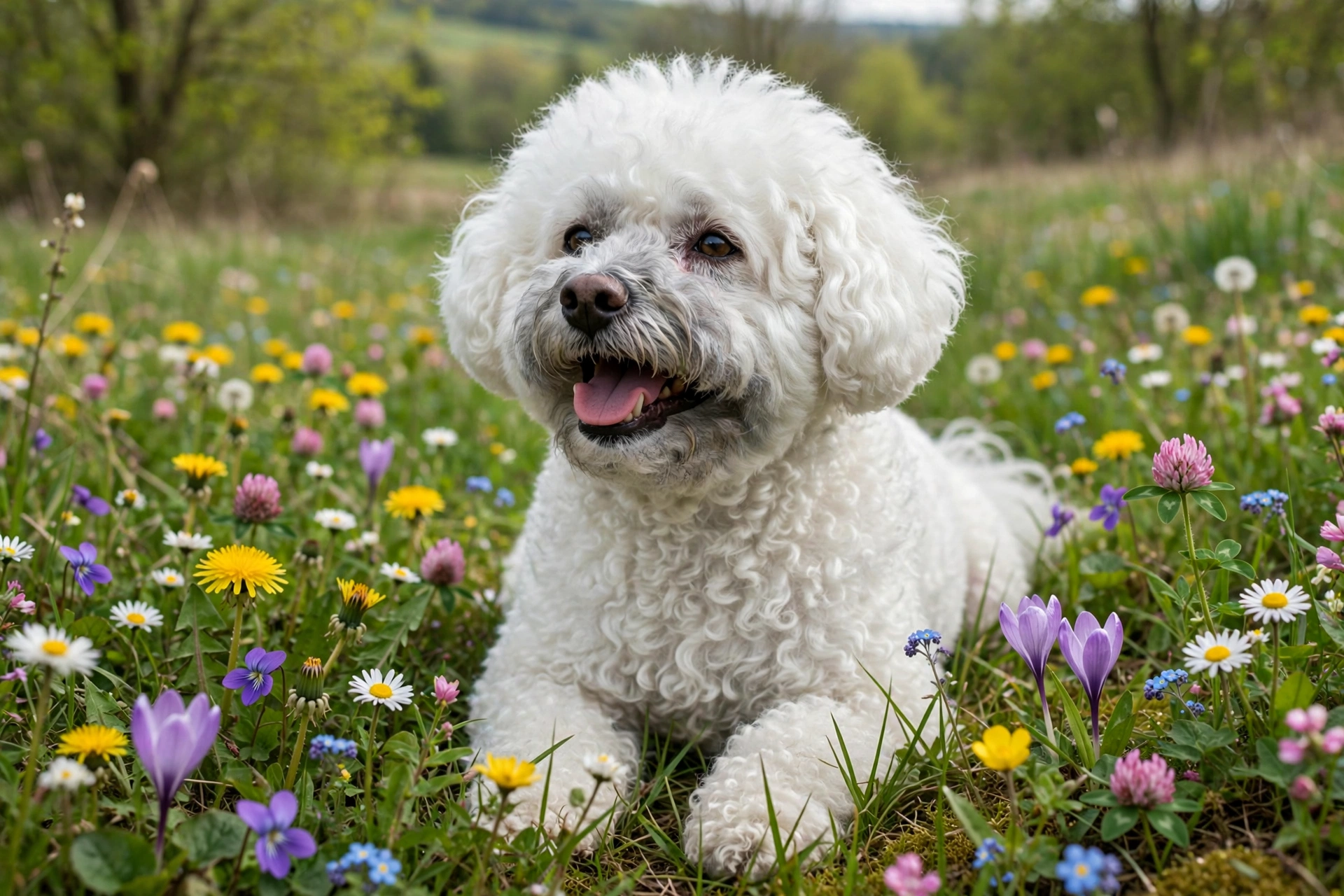
Average lifespan: 14–15 years
The Bichon Frise is pure joy in a cloud-white coat. These merry little dogs were circus performers and sailors’ companions, and that history shows in their resilience and adaptability. Bichons are generally healthy, with a sturdy build for their size, and their famously cheerful disposition keeps them playful and socially engaged well into old age. Their hypoallergenic, low-shedding coat (another star of our small dogs that don’t shed roundup) stays manageable with routine grooming.
Health watch-out: Allergies and the skin issues that follow — itching, hot spots, and tear staining around the eyes. Regular grooming and prompt vet attention for persistent itching make a big difference.
Helpful pick: Angels’ Eyes Gentle Tear Stain Wipes — hypoallergenic textured wipes that help support daily cleaning around the eyes to keep tear staining in check.
11. Cavalier King Charles Spaniel
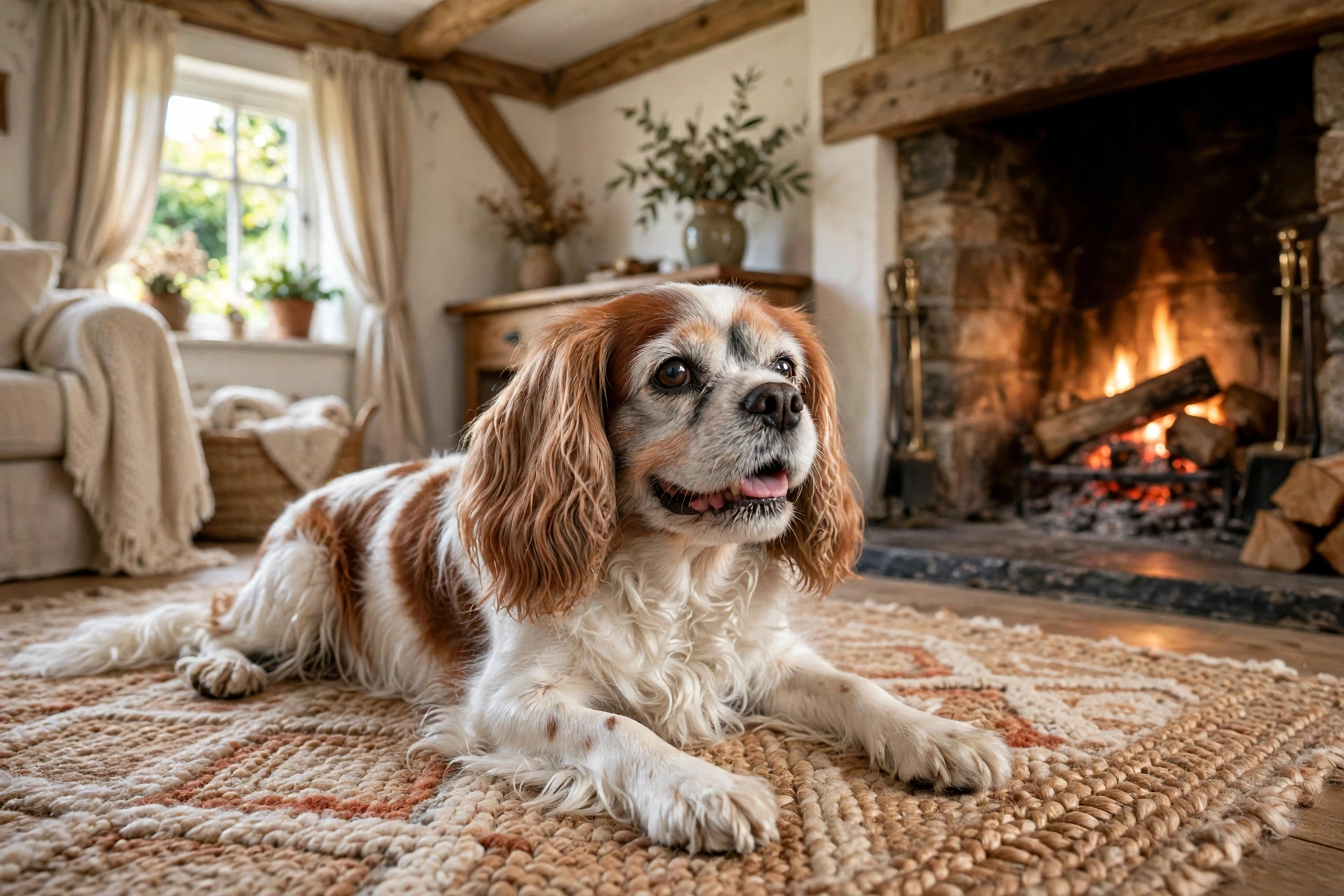
Average lifespan: 9–14 years
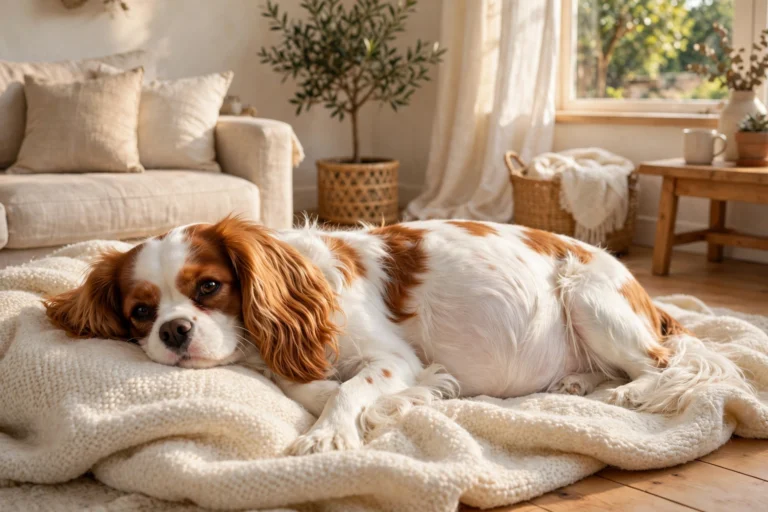
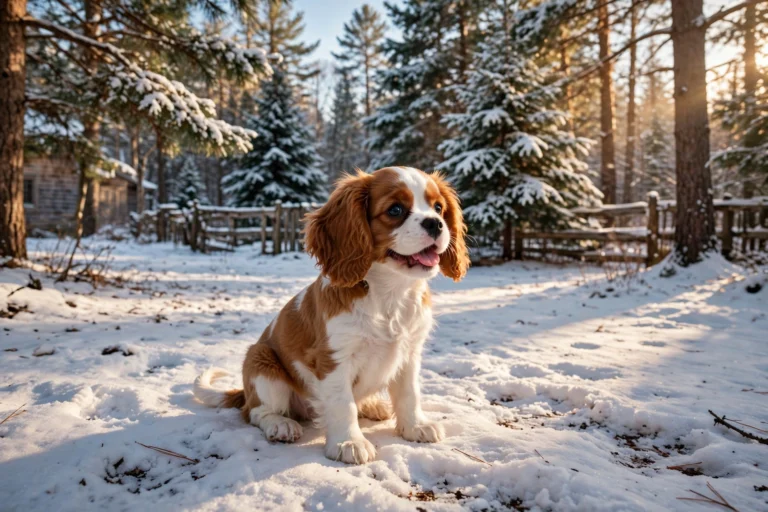
Cavaliers may have the shortest range on this list, but a well-bred, well-cared-for Cavalier can absolutely enjoy a long, happy life — and few breeds give back as much love per year. They are gentle, adaptable, and famously people-oriented. Choosing a responsible breeder who screens for heart health, keeping weight lean, and staying on top of vet checkups are the keys to pushing a Cavalier toward the top of its range. For a deeper dive, read our full guide on Cavalier King Charles Spaniel lifespan.
Health watch-out: Mitral valve disease (MVD) is the breed’s biggest threat — most Cavaliers develop a heart murmur at some point. Annual cardiac screenings catch changes early, when management works best.
Helpful pick: Zesty Paws Senior Advanced 11-in-1 Multivitamin Bites — senior-focused chews with CoQ10 and omega fatty acids that help support heart, joint, and immune health in aging dogs.
12. Pomeranian

Average lifespan: 12–16 years
The Pomeranian packs a big personality into a tiny, fluffy frame — and that zest for life seems to translate into extra years. Descended from much larger sled dogs, Poms retain a surprising hardiness, and their small size gives them the classic small-breed aging advantage. They are alert, curious, and highly trainable.
Health watch-out: Tracheal collapse and dental disease top the list for this breed. A harness instead of a collar protects that delicate windpipe, and dental care should start early.
Helpful pick: Voyager Step-In Air Dog Harness — a lightweight, breathable step-in harness that helps support comfortable, no-pull walks without pressure on the throat.
How to Help Any Small Dog Live Longer
Breed gives your dog a starting range, but daily care decides where in that range they land. These are the habits vets consistently link with longer, healthier lives:
- Keep them lean. Even a pound or two of extra weight is significant on a 5-pound dog. Lean dogs consistently live longer than overweight ones. Measure food, limit treats to about 10% of daily calories, and ask your vet to check body condition at every visit.
- Prioritize dental care. Dental disease is the most common health issue in small breeds, and infections in the mouth can spread to the heart, liver, and kidneys. Brush regularly, offer dental chews, and schedule professional cleanings as your vet recommends.
- Stay on top of vet visits. Twice-yearly checkups for seniors (around age 7–8 for small breeds) catch problems like heart murmurs, kidney changes, and lumps while they are still manageable.
- Keep them moving — gently. Daily walks and play sessions maintain muscle, support joints, and keep weight in check. Adjust intensity as they age, but don’t retire them from activity.
- Feed for their life stage. Senior small-breed formulas are designed with the right calorie levels and nutrients for aging bodies. Transition around age 7 or as your vet advises.
- Engage their minds. Puzzle toys, short training sessions, and new sniffing routes keep cognitive function sharp and may help slow age-related mental decline.
- Make home senior-friendly. Ramps, non-slip rugs, and a supportive orthopedic bed protect aging joints and spines — especially for long-backed breeds like Dachshunds.
Want a breed that is both long-lived and easy to care for? Check our roundup of low-maintenance small dog breeds to find your match.
Frequently Asked Questions
Which small dog breed lives the longest?
The Chihuahua and Toy Poodle are generally considered the longest-living small dog breeds, with typical ranges of 14–16 and 12–18 years. Individual dogs of many small breeds have been known to reach 20 or beyond with excellent care.
Do small dogs really live longer than big dogs?
Yes — this is one of the most consistent findings in canine research. Large population studies show small breeds have a notably higher median lifespan than large and giant breeds, largely because bigger dogs age at a faster rate.
What is the number one thing that shortens a small dog’s life?
Obesity. Excess weight strains the heart, joints, and organs, and worsens nearly every breed-specific condition — from IVDD in Dachshunds to tracheal collapse in Yorkies and Pomeranians. Keeping your dog lean is the single most powerful longevity lever you control.
Do mixed-breed small dogs live longer than purebreds?
Often, yes. Mixed-breed dogs can benefit from greater genetic diversity, which may reduce the risk of inherited conditions. That said, a well-bred purebred from health-tested parents can live just as long — responsible breeding matters enormously.
At what age is a small dog considered a senior?
Small breeds are generally considered seniors around 8–10 years of age, though many stay spry well past that. Starting around age 7, shift to senior-focused nutrition and twice-yearly vet checkups to support healthy aging.
Disclosure: As an Amazon Associate, PetPostHub earns from qualifying purchases made through links in this article — at no extra cost to you. This helps us keep creating helpful content for pet parents.