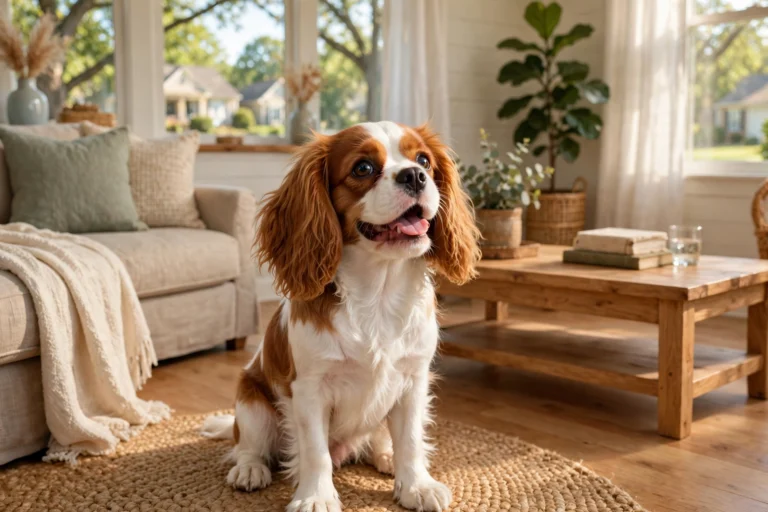
Cavalier King Charles Spaniel Breeders in Maine: A Buyer’s Guide

Searching for Cavalier King Charles Spaniel breeders in Maine? You are looking at the right breed for the Pine Tree State — Cavaliers thrive in Maine’s quieter towns and cozy homes, and their adaptable, affectionate nature makes them wonderful companions through long winters. But finding the right puppy starts long before you bring one home: it starts with finding a reputable breeder.
A well-bred Cavalier from a responsible Maine breeder is far more likely to grow into a healthy, well-socialized family dog. This guide to Cavalier King Charles Spaniel breeders Maine families can trust will show you exactly what separates a trustworthy breeder from one you should walk away from, which questions to ask before you commit, the red flags that signal trouble, and the rescue alternatives worth considering first.
Table of Contents
- What to Look for in a Reputable Maine Breeder
- Questions to Ask Before You Commit
- Red Flags to Avoid
- Cavalier Adoption and Rescue Options in Maine
- Frequently Asked Questions
What to Look for in a Reputable Maine Breeder
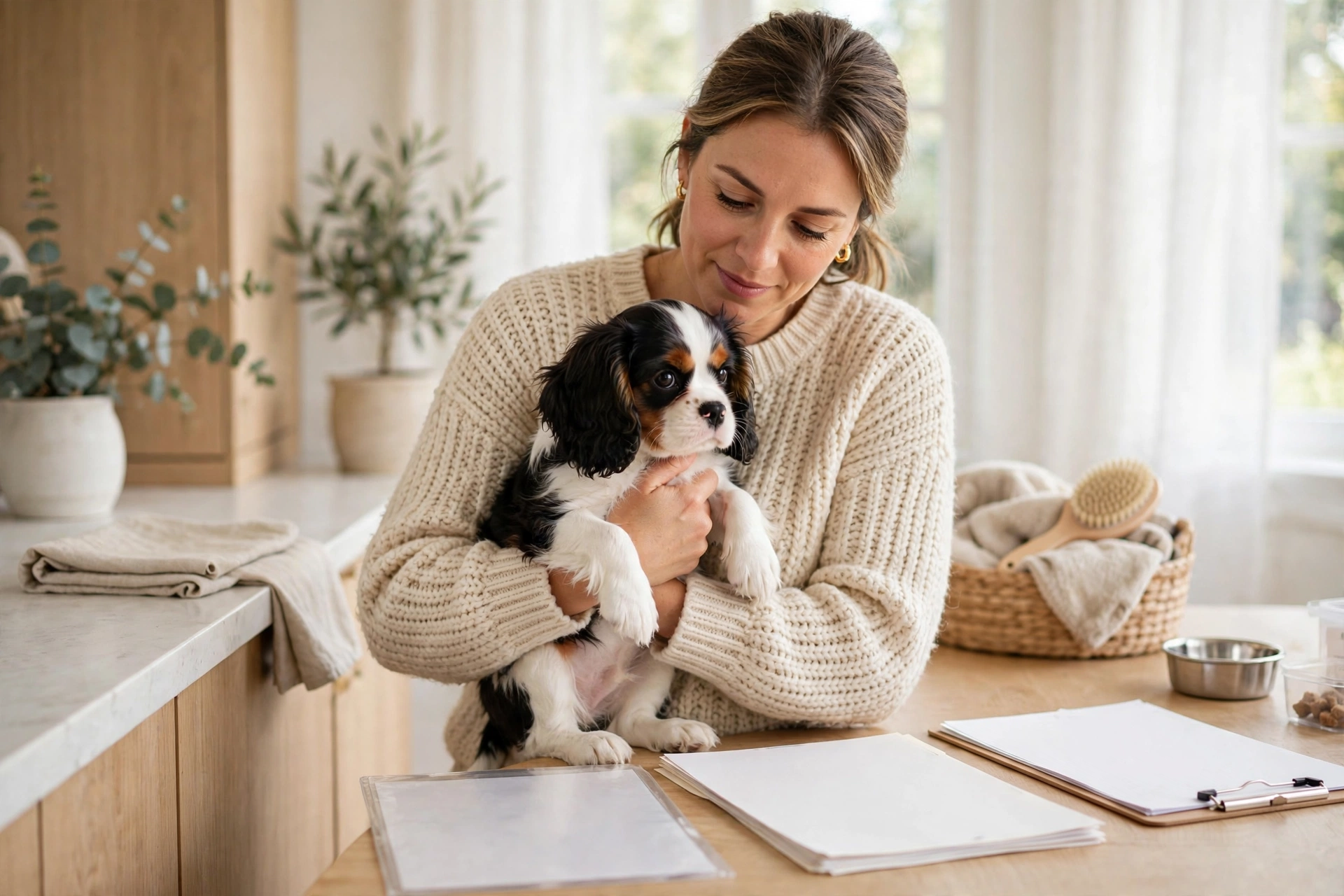
A reputable breeder treats breeding as a responsibility, not a business. Their dogs live in the home as family members, litters are raised with care and intention, and every breeding decision is made with the health of the puppies in mind. Here is what that looks like in practice.
Documented Health Testing on Every Breeding Dog
This is the single most important thing to verify. Cavaliers are prone to specific inherited conditions, and a serious breeder tests for them before ever producing a litter. Ask to see the actual certificates — not just verbal reassurance.
| Health Test | What It Screens For | Why It Matters |
|---|---|---|
| Cardiac exam (cardiologist) | Mitral valve disease (MVD) | The leading health concern in Cavaliers; hearts should be cleared annually |
| OFA or CERF eye exam | Hereditary eye conditions | Cataracts and retinal issues can be passed to puppies |
| OFA hips and patellas | Hip dysplasia, luxating patellas | Joint problems affect mobility and quality of life |
| MRI screening (when available) | Syringomyelia / Chiari-like malformation | A neurological condition the breed is predisposed to |
A breeder who health-tests will happily show you results and explain what they mean. One who gets defensive or vague about testing is telling you everything you need to know.
AKC Registration and a Written Contract
Reputable breeders register their litters with the American Kennel Club and provide registration paperwork with your puppy. Just as important is a written sales contract that spells out the health guarantee (commonly one to two years against congenital conditions), spay/neuter terms, and a take-back clause — a promise that the breeder will accept the dog back at any point in its life if you can no longer keep it. That take-back clause is a hallmark of someone who genuinely cares where their puppies end up.
You Can Visit in Person
A trustworthy Maine breeder will welcome you to meet the puppies and, ideally, the mother dog in the place where they are raised. Pay attention to what you see: clean living areas, puppies that are confident and curious rather than fearful, and adult dogs that look healthy and well cared for. How a breeder treats their own dogs tells you exactly how your puppy was raised.
The Breeder Interviews You Too
Good breeders are picky about where their puppies go. Expect detailed questions about your home, schedule, experience with dogs, and plans for the puppy. A breeder who asks nothing about you and just wants a deposit is not screening homes — they are processing sales.
Questions to Ask Before You Commit

There are no silly questions when you are choosing a new family member. A reputable breeder will welcome every one of these — and their answers will tell you a great deal.
- How long have you been breeding Cavaliers, and why this breed? Look for genuine passion and years of breed-specific experience, not someone who breeds whatever is trendy.
- How many litters do you raise each year? Small-scale breeders who raise one or two litters a year can give each puppy far more individual attention than high-volume operations.
- What health tests do you perform on your breeding dogs? The answer should name specific tests (heart, eyes, hips, patellas) — and they should offer to show you the certificates.
- Can I meet the puppy’s mother? The dam’s temperament and health are your best preview of what your puppy may become.
- What is included in your health guarantee? Get the terms in writing: what is covered, for how long, and what happens if a problem is found.
- How do you socialize your puppies? Early exposure to household sounds, gentle handling, and varied experiences in the first eight weeks shapes a confident adult dog.
- What does your contract require of me? Understand spay/neuter timelines, return policies, and any co-ownership terms before you sign.
- Can you provide references from past puppy buyers? Happy owners from previous litters are the strongest endorsement a breeder can offer.
Beyond the direct answers, pay attention to the conversation itself. Breeders who speak knowledgeably and warmly about their dogs — and who ask thoughtful questions about your life in return — are usually the ones worth waiting for.
Red Flags to Avoid

Knowing what to avoid is just as important as knowing what to look for. If you encounter any of these warning signs, walk away — no matter how cute the puppies are.
- Puppies are always available. Reputable breeders have waitlists. Someone who always has puppies ready to go, in multiple litters at once, is producing volume, not quality.
- No health testing, or vague claims about it. “Vet-checked” is not the same as certified cardiac, eye, and orthopedic testing. If a breeder cannot show you certificates, assume the testing was never done.
- You cannot visit or meet the parents. Refusing visits, offering to meet in a parking lot, or shipping a puppy sight-unseen are classic signs of a puppy mill or broker.
- Cash only, no contract, no questions. A legitimate breeder uses written contracts and wants to know about you. A quick cash transaction with no paperwork protects no one but the seller.
- Puppies leave too young. Cavalier puppies should stay with their mother and littermates until at least eight weeks. Anyone offering six-week-old puppies is cutting corners on critical early development.
- Pressure tactics. “Someone else wants this puppy” or “the price goes up tomorrow” are sales tricks. A good breeder will never rush such an important decision.
The two operations to avoid at all costs are puppy mills — large commercial facilities that prioritize profit over welfare — and backyard breeders who breed without health testing, knowledge, or proper care. Puppies from these sources frequently arrive with health and behavior problems that cost far more than any initial savings.
Cavalier Adoption and Rescue Options in Maine
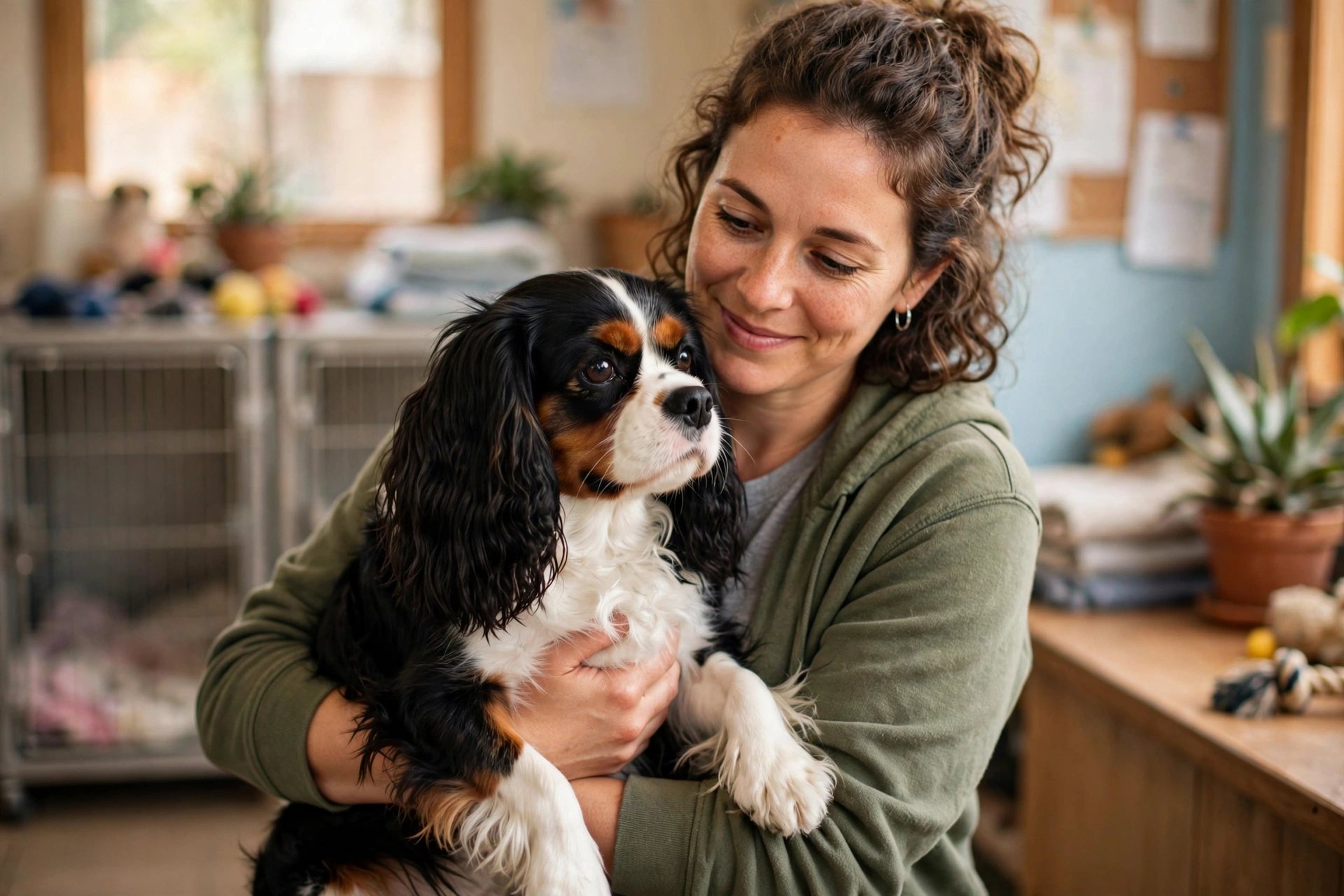
Buying from a breeder is not the only path to a Cavalier. Breed-specific rescue organizations regularly rehome Cavaliers whose owners could no longer keep them, and many of these dogs are wonderful, well-adjusted companions. Adopting an adult dog also has a practical advantage: you can see the dog’s full-grown size, temperament, and health picture up front.
Start with Cavalier-specific rescue networks, which often serve New England as a region and can connect you with dogs in or near Maine. Your local Maine animal shelters and humane societies are also worth checking — Cavaliers and Cavalier mixes do appear in general rescue, especially as owner surrenders. The AKC’s rescue network can point you toward breed rescue contacts as well.
Whether you choose a breeder or rescue, apply the same diligence: ask about the dog’s health history, temperament, and the organization’s return policy. A responsible rescue, like a responsible breeder, will always take a dog back if the placement does not work out.
Frequently Asked Questions
How much does a Cavalier King Charles Spaniel puppy cost in Maine?
Prices typically range from $1,500 to $4,000 depending on the breeder’s reputation, the puppy’s pedigree, coat color, and lineage. Beyond the purchase price, budget roughly $80 to $150 per month for food, grooming, routine vet care, and insurance. Be wary of prices far below this range — they usually signal skipped health testing.
How long is the wait for a puppy from a good breeder?
Expect a wait of several months to over a year. Reputable breeders raise few litters and match puppies carefully to homes. A long waitlist is actually a good sign — it means the breeder is in demand for the right reasons.
What age should a Cavalier puppy be when I bring it home?
Eight weeks at the absolute minimum, with many excellent breeders keeping puppies until nine or ten weeks. Those extra weeks with the mother and littermates are critical for bite inhibition and social development.
Are Cavaliers good dogs for Maine winters?
Yes. Cavaliers are adaptable indoor companions who enjoy winter walks but do not demand extreme exercise. A warm coat for the coldest days and wiped paws after walks on salted roads keep them comfortable all season.
Should I get pet insurance for my Cavalier?
It is worth serious consideration. Cavaliers are predisposed to heart disease and a few other hereditary conditions, and insurance enrolled while your puppy is young and healthy can make future treatment decisions far less stressful financially.