Why Does My Dog Bark at My Husband? 6 Reasons
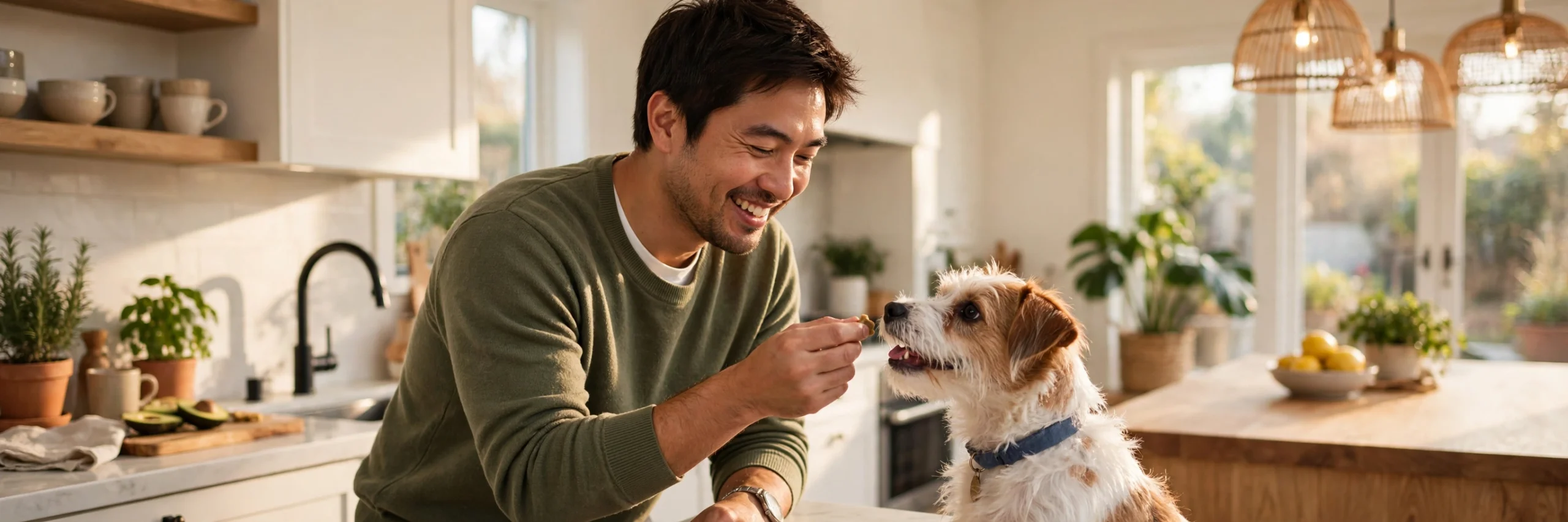
So your sweet, cuddly dog melts into you like butter — but the moment your husband walks into the room, he becomes a barking alarm system. If you’re wondering why does my dog bark at my husband and not at you, take a deep breath: this is one of the most common (and most fixable) household dog issues. Your dog isn’t “bad,” and your husband isn’t doing anything wrong. There’s almost always a reason behind the barking, and once you understand it, you can change it.
In this guide, we’ll cover the 6 most common reasons dogs bark at one particular family member, what each one means, and exactly what to do about it — including a step-by-step bonding plan that helps your husband go from “suspicious stranger” to favorite treat dispenser.
Table of Contents
Reason 1: Your Dog Is Bonded to Just One Person
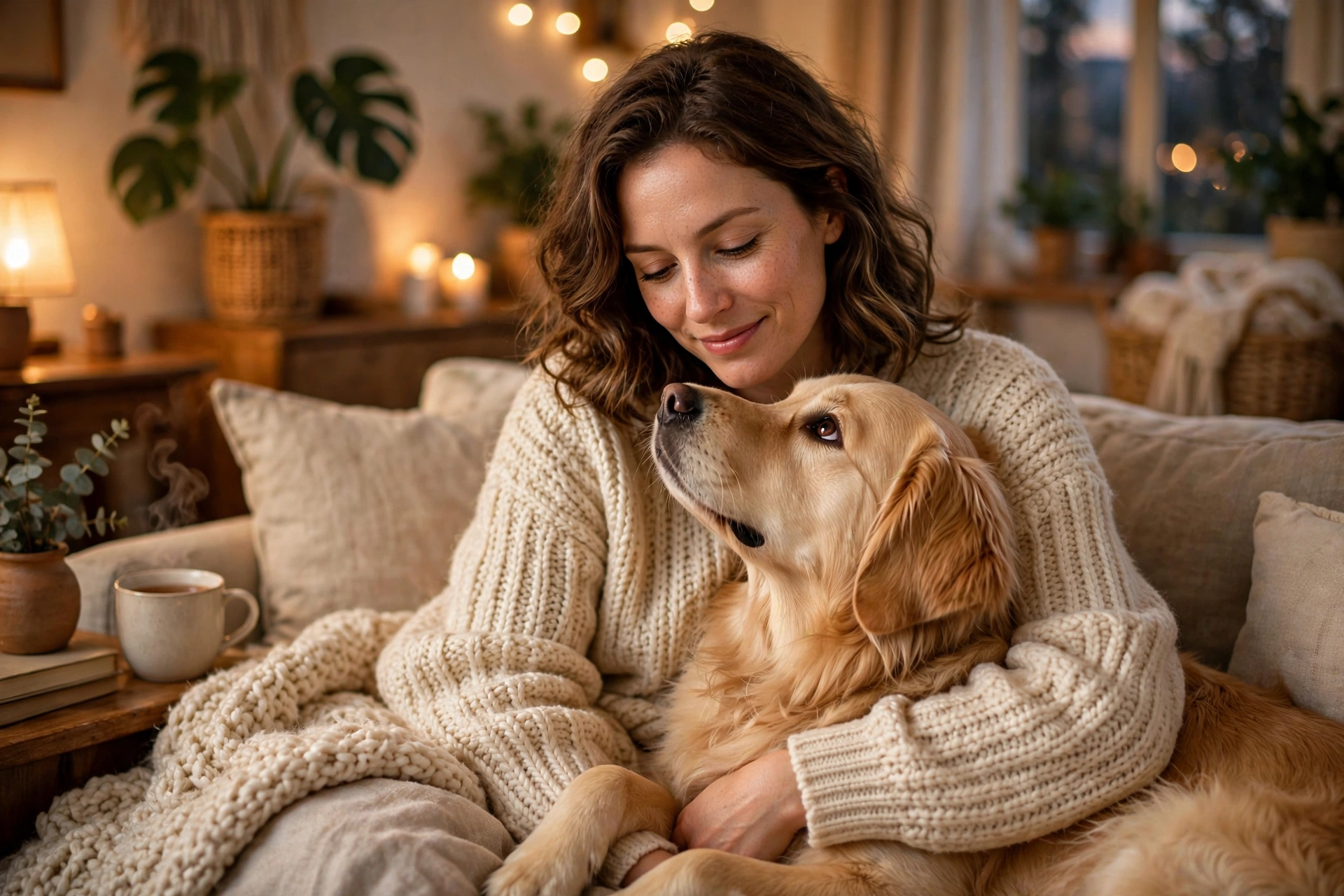
Many dogs form a primary bond with one person — usually whoever feeds them, walks them, and spends the most time with them. To that dog, you are their person, and your husband is simply… the other human in the house. The barking isn’t hatred; it’s your dog announcing, “Hey, this is my person’s house, and I don’t know you as well!”
This is especially common in herding breeds, terriers, and rescues that latch onto one caregiver for security. The dog may follow you room to room, sit on your feet, and bark whenever your husband approaches you — classic “my person” behavior.
What to do: The fix here is building an independent relationship between your dog and your husband. Have your husband take over the good stuff: feeding meals, handing out treats, and going on walks. Within a couple of weeks, most one-person dogs start to see the husband as a source of good things too. Short, positive interactions beat long forced ones — even five minutes of treat-tossing daily works wonders.
Helpful pick: Zuke’s Mini Naturals Training Treats — small, soft treats your husband can keep in his pocket to reward every calm moment around the dog.
Reason 2: Fear of Men or Deep Voices
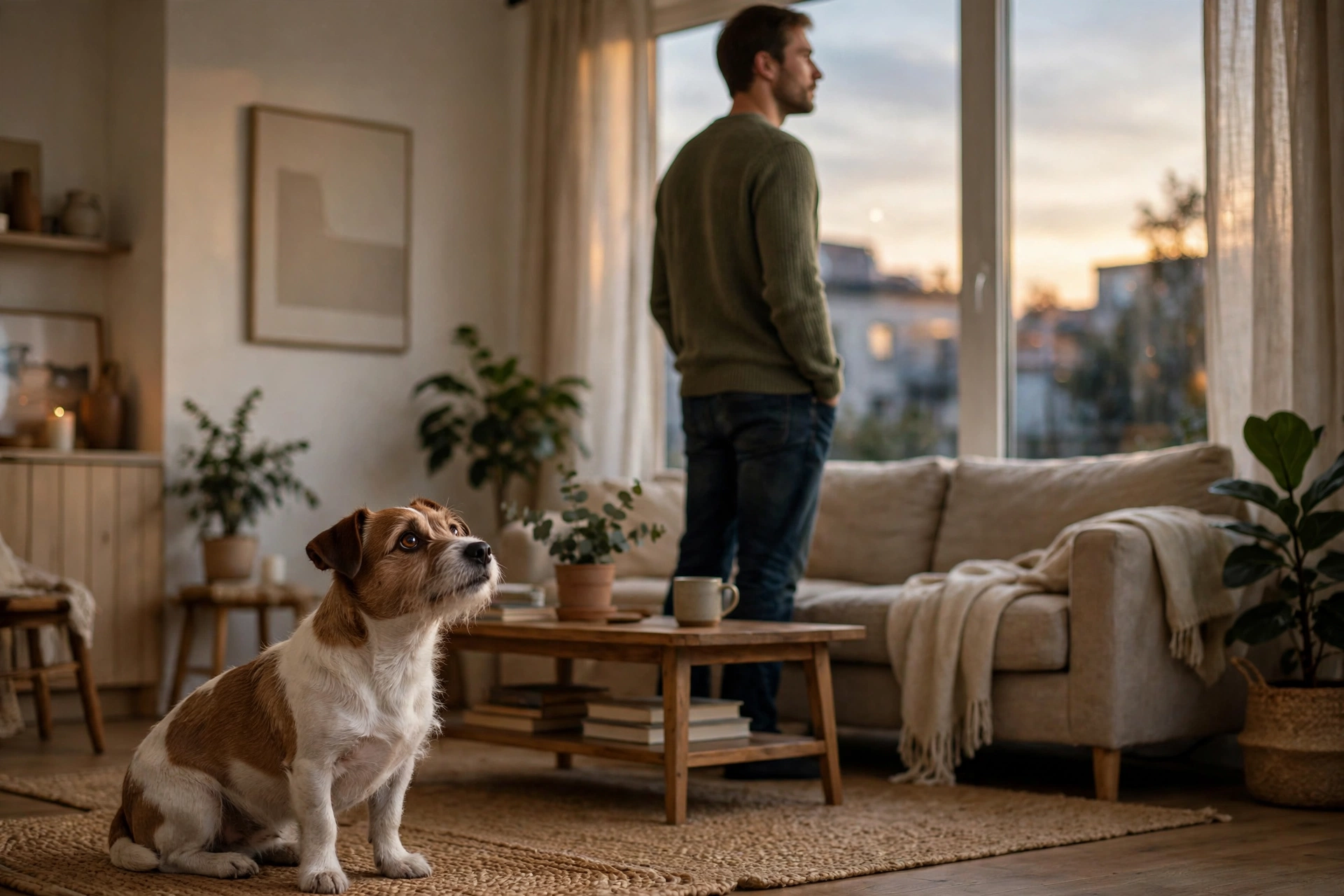
This is the big one. Dogs that are fearful often react to men specifically — and there’s good reason for it. Men tend to be taller, have deeper voices, and move with bigger, faster gestures. A man leaning over a dog to pet it or reaching for a leash can feel downright intimidating from a dog’s-eye view. Dogs that missed out on meeting enough men during their early socialization window may find the whole “man” package genuinely scary.
Signs the barking is fear-based: the dog backs away while barking, tucks his tail, flattens his ears, or barks hardest when your husband moves suddenly or stands up from a chair. Fear barking is a dog’s way of creating distance from something that scares them — essentially saying, “Stay back!”
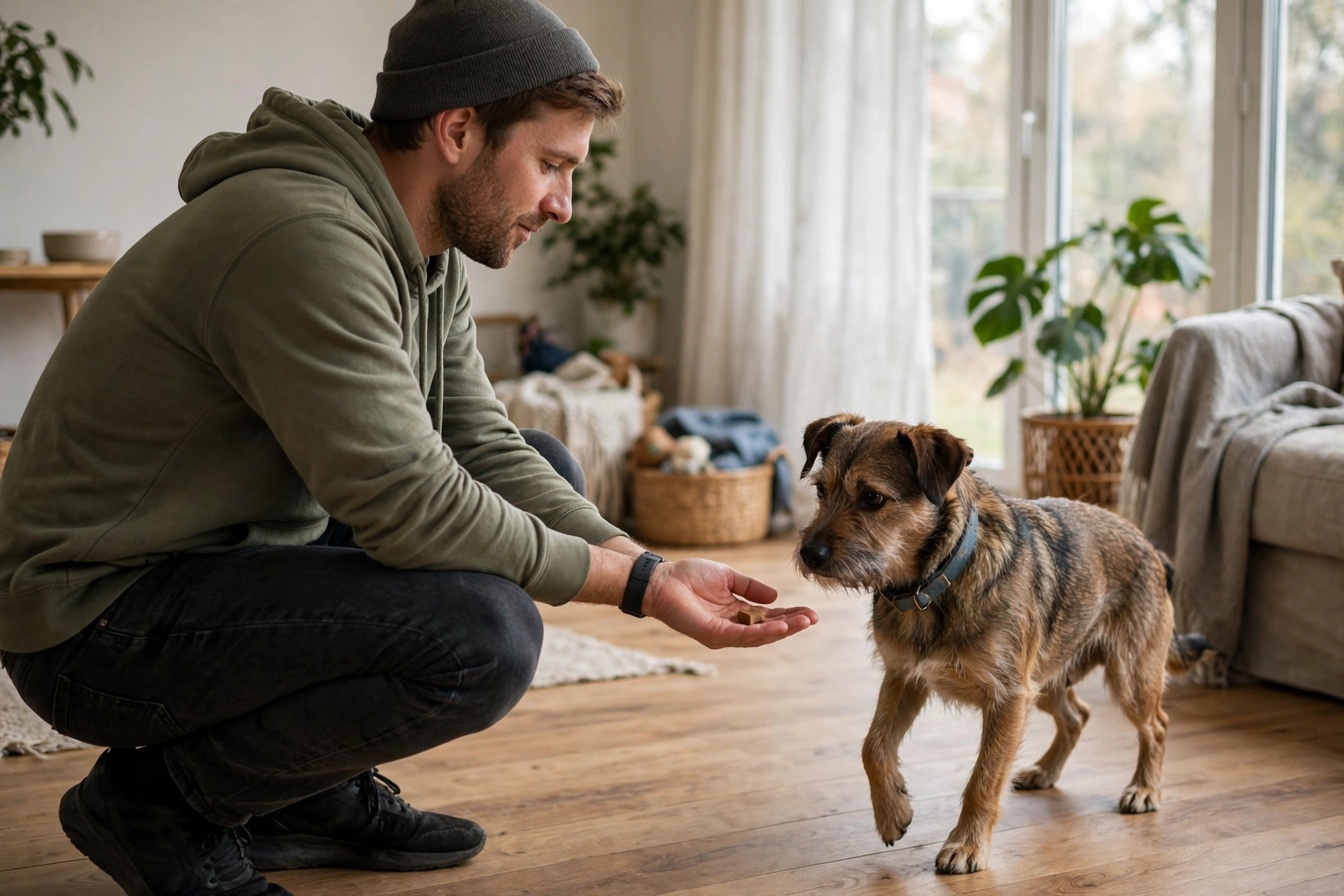
What to do: Never force the issue. Your husband should avoid leaning over the dog, direct staring, or reaching toward him. Instead, he should crouch sideways, turn his body slightly away, and toss treats in the dog’s direction without asking for anything. Over time, the dog learns: this man predicts good things, not scary things. Counter-conditioning at the dog’s pace is the gold standard here. Keep sessions short and always end on a win.
Helpful pick: Egiao Dog Treat Pouch — lets your husband keep treats handy so he can reward calm behavior the instant it happens.
Reason 3: Guarding Their Favorite Person
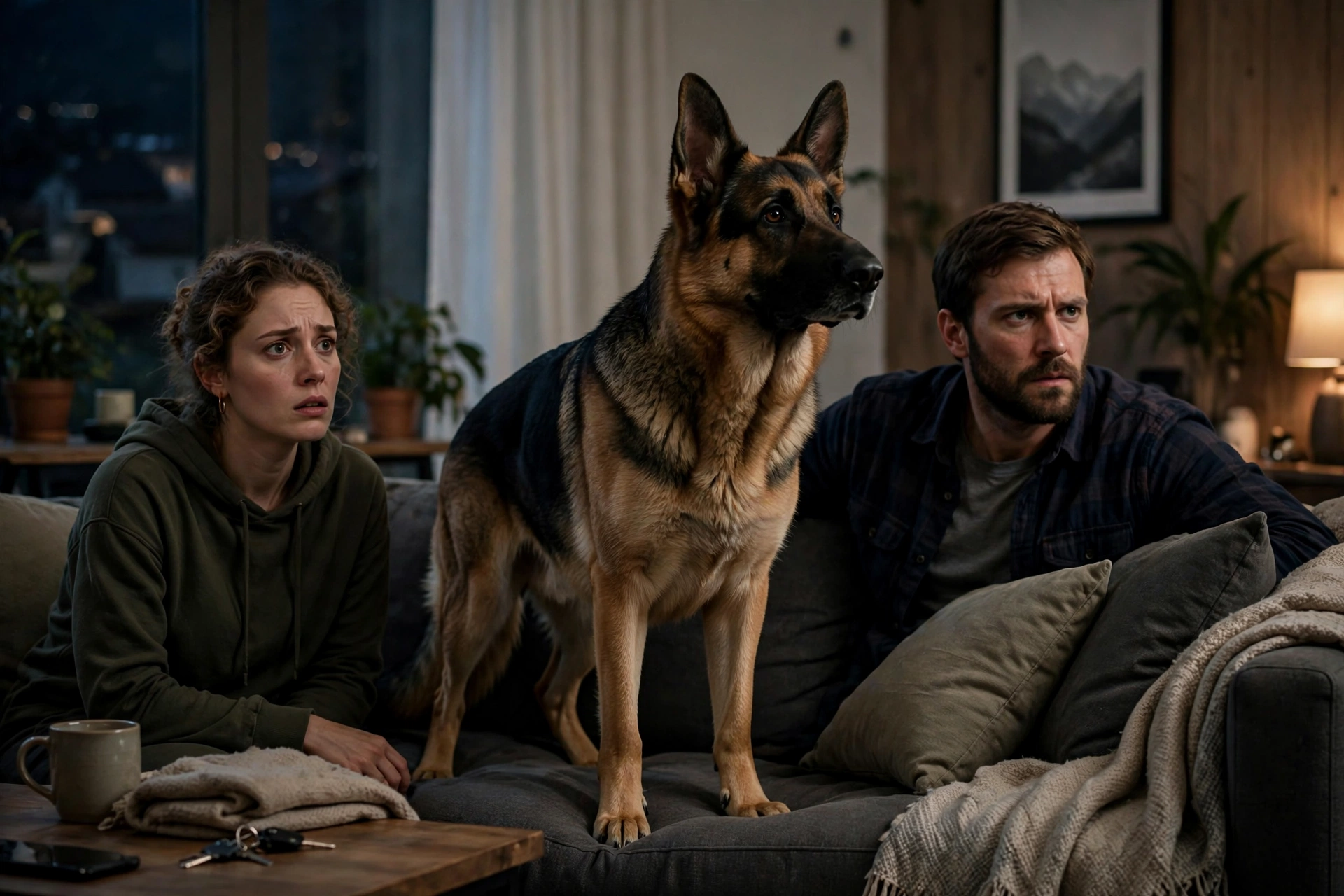
Does your dog bark at your husband mostly when he comes near you — hugging you, sitting beside you, or walking into the bedroom? That’s resource guarding, and the “resource” is you. Your dog has decided you belong to him, and he’s defending his most prized possession.
This tends to show up in dogs that spend all day with one person and then feel their world tilt when someone else enters the picture. You’ll often see the dog wedge between you two on the couch, bark when your husband touches you, or even growl when he gets in bed. It’s flattering in a strange way, but it’s a behavior you want to fix — resource guarding can escalate if it keeps getting “rewarded” (which happens every time the husband backs off).
What to do: Change the equation: husband approaching you = amazing things happen. When your husband walks toward you, you toss your dog a treat or your husband does. Gradually, the dog learns that the husband’s approach predicts treats, not competition. Avoid scolding the guarding — punishment tends to make guarding dogs more anxious, not less. If the dog guards specific spots like the bed, giving him his own cozy bed nearby can also reduce the trigger.
Helpful pick: Best Friends by Sheri Calming Donut Dog Bed — gives your dog a comfortable “own spot” so he’s less motivated to guard the couch or your side of the bed.
Reason 4: Under-Socialized with Men
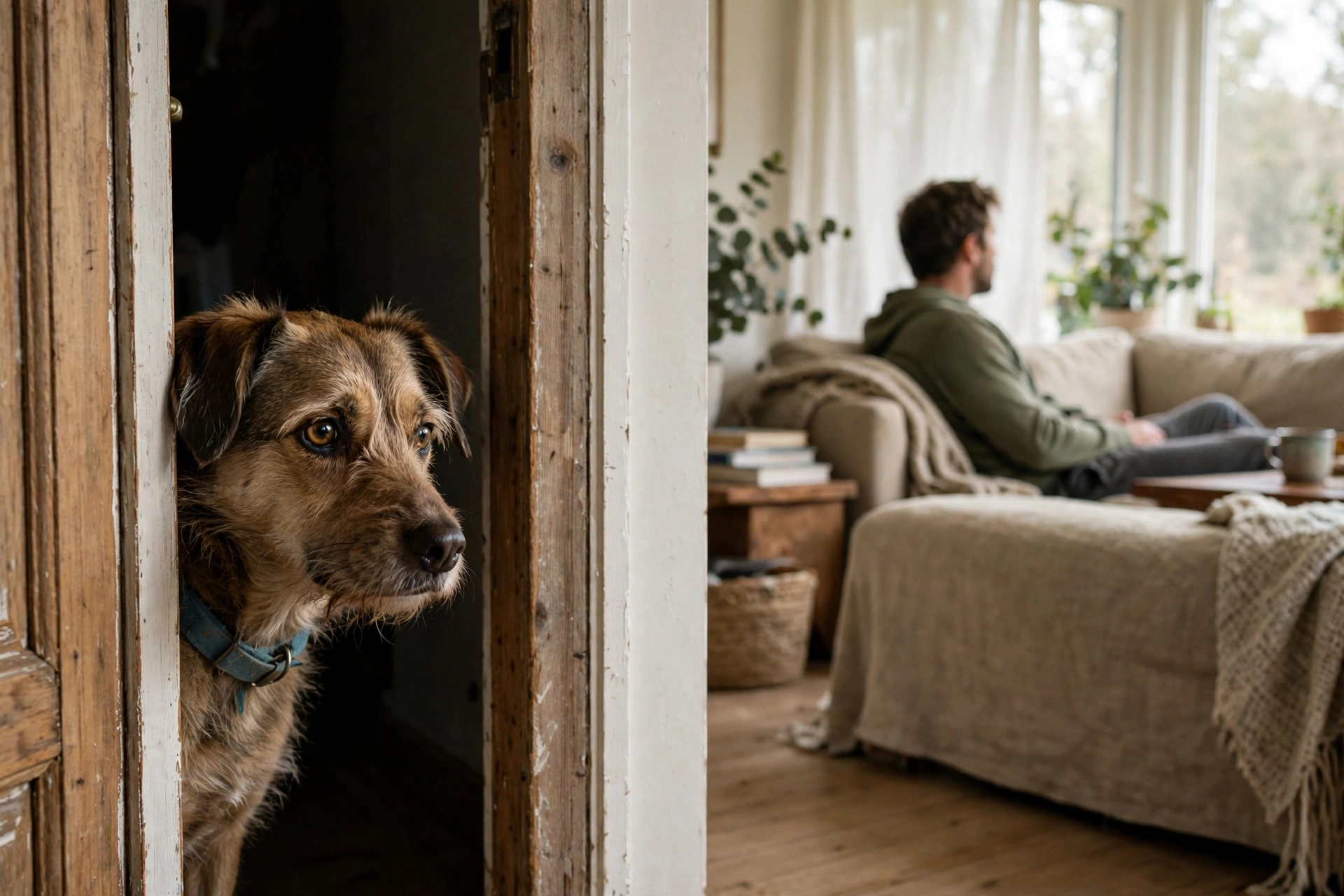
Puppies that didn’t meet a variety of people — especially men — during their first few months of life can grow up wary of anyone who looks, sounds, or moves differently from the people they know. It’s not personal: to an under-socialized dog, a man with a beard, a hat, or heavy footsteps is simply unfamiliar, and unfamiliar equals suspicious.
This is also common in rescue dogs whose history is unknown. They may have lived in an environment with few people, or only with women. The barking is their way of saying, “I don’t know what you are, and that makes me nervous.”
What to do: It’s never too late to socialize an adult dog — it just takes more patience than with a puppy. Expose your dog to your husband at a distance where the dog notices but doesn’t bark (below threshold), and reward calm behavior. Slowly decrease the distance over days and weeks. Let your husband be the one to introduce all the best experiences: meals, walks, and play. The goal is to rewrite the dog’s mental file on men from “unknown = scary” to “men = awesome.”
Helpful pick: Snuffle Mat for Dogs — a fun foraging game your husband can set up for the dog, building positive associations through play.
Reason 5: Jealousy and Attention-Seeking
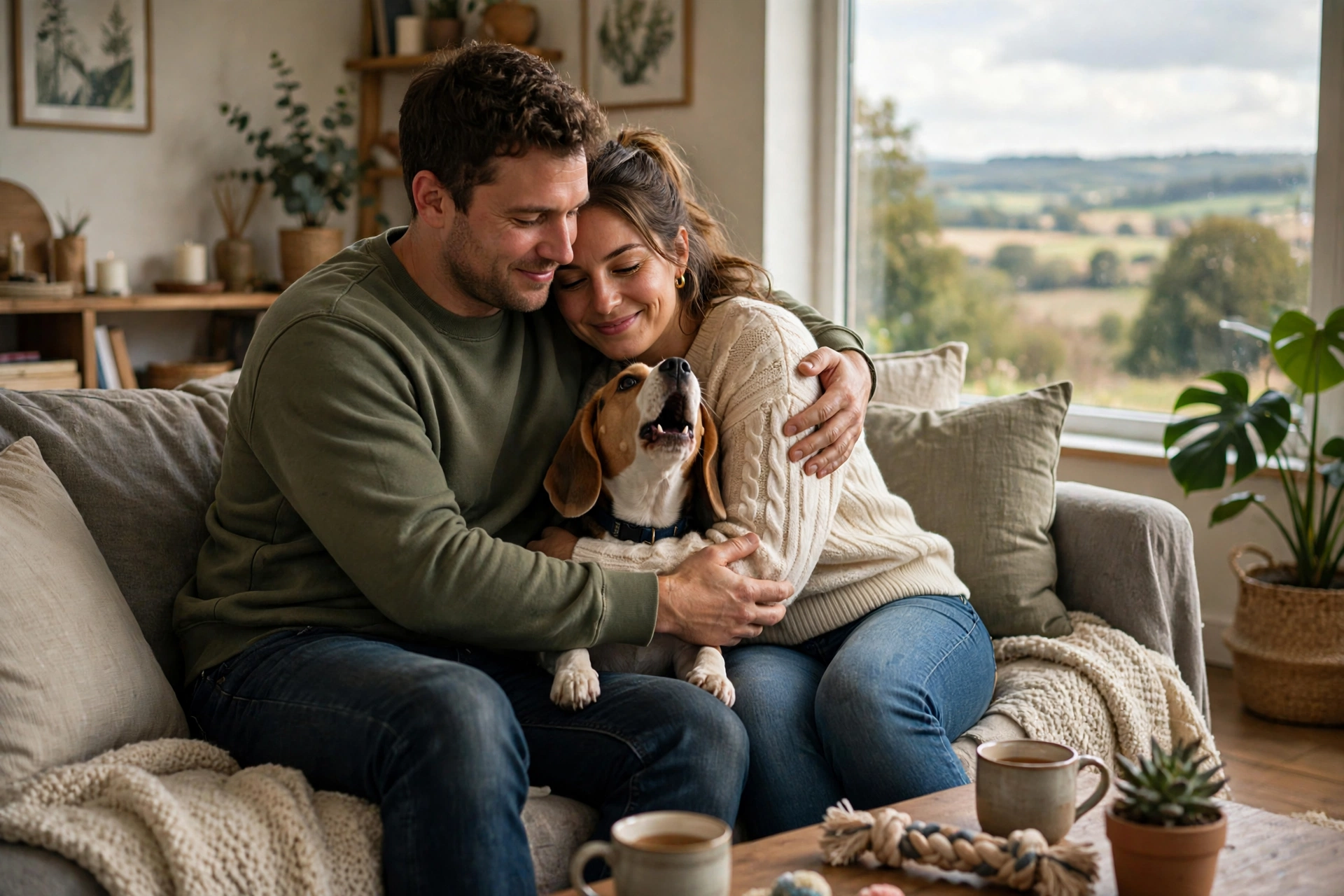
Some dogs bark at the husband because it works. You hug, the dog barks, everyone laughs or turns to the dog — congratulations, the dog just learned that barking gets attention. Dogs are brilliant pattern-spotters, and if barking at your husband reliably makes the household focus on them, they’ll keep doing it. You’ll usually see happy, bouncy body language here: wagging tail, play bows, maybe some excited spins mixed in with the barking.
This flavor of barking often shows up during couple moments — hugging, sitting together, talking. The dog isn’t scared; he’s just determined to be the center of the universe.
What to do: Remove the payoff. When the dog barks for attention, stay calm and don’t engage — no talking to him, no pushing him away (pushing is attention too), no laughing. The moment he’s quiet, even for two seconds, reward him. Then give him something productive to do during couple time: a stuffed Kong, a lick mat, or a chew. You’re teaching him that quiet = good stuff, barking = nothing happens.
Helpful pick: LUKITO Lick Mat for Dogs — smear it with peanut butter and give it to your dog during couple time to keep him happily occupied.
Reason 6: A Past Negative Experience
Sometimes the barking has roots you can’t see. Rescue dogs especially may have had a frightening experience with a man in their past — a loud voice, rough handling, or simply being startled. Dogs don’t need a dramatic backstory to hold a grudge against a “type” of person; one bad experience can be enough to create a lasting association. The tricky part is you’ll never know for sure, and it doesn’t really matter — the solution is the same.
Clues to a history-based fear: the dog is fine with your husband in some situations (sitting on the couch, in pajamas) but barks when he stands up, moves quickly, carries something, or raises his voice. Triggers are often oddly specific because they’re tied to a specific memory.
What to do: This is a long game, and patience is everything. Your husband should become the treat fairy — every appearance near the dog brings something wonderful, with zero pressure to interact. Let the dog choose the pace. Pairing the husband with meals is powerful: for a few weeks, have him be the one who puts down the food bowl. Food is a primal trust-builder, and dogs rarely stay suspicious of the hand that feeds them. And please: never punish a fearful dog for barking. Punishment confirms the dog’s belief that scary things happen around this person.
Helpful pick: ADAPTIL Calm Home Diffuser — releases calming pheromones that can take the edge off a fearful dog’s anxiety while you work on rebuilding trust.
How to Help Your Dog Bond with Your Husband
No matter which reason is driving the barking, this bonding plan speeds things up:
- Husband becomes the treat dispenser. For two weeks, he hands out every treat, every meal, every chew. Good things should come from him and only him.
- He takes over the fun. Walks, fetch, tug, training games — if it’s enjoyable, your husband should be running it. Play builds trust faster than anything.
- Keep greetings calm. No looming over the dog, no grabbing, no excited shouting. Calm, sideways, treat-in-hand is the approach that works.
- Train together. Short daily training sessions with your husband (sit, shake, spin) teach the dog to look to him for guidance — and guidance builds respect and trust.
- Give it time. Some dogs turn around in a week; deeply fearful rescues can take months. Celebrate small wins: a tail wag, a voluntary approach, one quiet evening.
One rule to remember: never punish the barking. Yelling, spraying, or scolding might stop the noise for a moment, but it tells the dog his suspicion was justified — and it can turn barking into biting. Always work with the emotion behind the behavior, not against it. If the barking comes with lunging, snapping, or guarding doorways, bring in a certified professional dog trainer or veterinary behaviorist — some cases deserve expert eyes.
For more on reading your dog’s signals, check out our dog body language guide and our guide to the signs your dog is stressed.
Frequently Asked Questions
Why does my dog only bark at my husband and not me?
Your dog has bonded with you and sees you as safe, while your husband may trigger fear (taller, deeper voice, bigger movements), guarding instincts, or simple unfamiliarity. It’s rarely about anything your husband did wrong — it’s about how the dog perceives him.
Will my dog ever stop barking at my husband?
Almost certainly, yes. With consistent counter-conditioning — your husband pairing his presence with treats, meals, and fun — most dogs improve noticeably within 2–4 weeks. Deeply fearful or traumatized dogs take longer, but steady progress is the norm.
Should my husband discipline the dog for barking at him?
No. Punishing fear-based barking makes the dog more afraid and can escalate the behavior. Instead, your husband should become the source of all good things so the dog’s feelings about him change from the inside out.
My dog barks at my husband only when he hugs me. Why?
That’s classic resource guarding or jealousy — your dog sees you as “his” and the hug as a threat to his position. Have your husband toss the dog a treat every time he approaches you, so hugs start predicting goodies instead of competition.
When should I call a professional trainer?
If the barking is paired with lunging, snapping, growling with a hard stare, or blocking your husband in hallways, get help from a certified professional dog trainer or veterinary behaviorist. Also see your vet first to rule out pain, which can make any dog more reactive.
Keep Reading
- How to Train Your Dog to Stop Barking
- How to Bond with a New Rescue Dog
- How to Prevent Separation Anxiety in Puppies
As an Amazon Associate, PetPostHub earns from qualifying purchases.