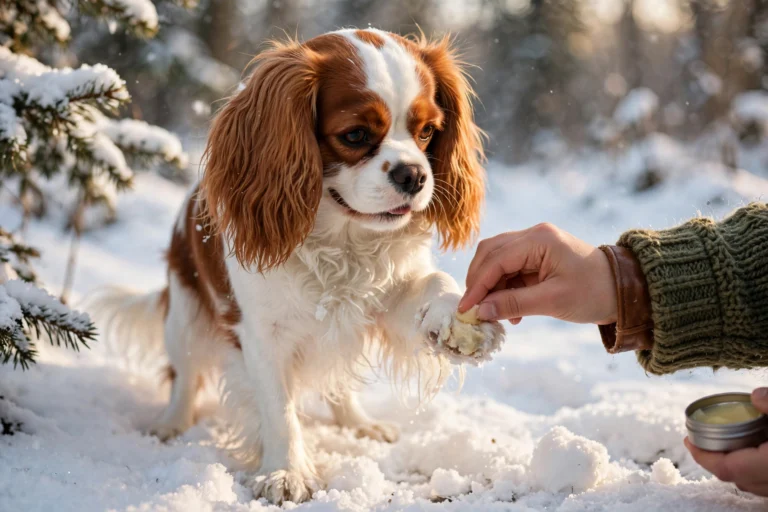
Why Does My Dog Hate Baths? 6 Reasons

If you’ve ever wondered “why does my dog hate baths?”, you’re far from alone. Most dogs would rather do almost anything than step into a tub of water — and their resistance isn’t stubbornness or defiance. Dogs hate baths for very specific, very understandable reasons: past scares, slippery footing, uncomfortable water, and loud blow dryers. The good news is that once you know what’s driving the fear, you can fix it with patience and a gentle desensitization plan. Here’s what bath-hating dogs are really telling you — and how to turn bath time around.
Table of Contents
- 1. A Past Bad Experience
- 2. Fear of the Slippery Tub
- 3. Water in the Ears or Eyes
- 4. Water That’s Too Cold (or Too Hot)
- 5. The Loud Dryer
- 6. They Were Never Properly Introduced to Baths
- How to Make Bath Time Fun
- Frequently Asked Questions
1. A Past Bad Experience

What it means: Dogs learn through association, and it only takes one frightening bath to create a lasting fear. Being lifted roughly into the tub, getting water forced into the face, slipping, getting scalded by hot water, or being scolded for squirming — any of these moments can teach a dog that the bathtub is a scary place. Rescue dogs may carry even deeper negative associations from their past.
What to do: Rebuild trust slowly with counter-conditioning. Start by rewarding your dog simply for being near the (dry) tub — treats for sniffing it, for standing beside it, for putting one paw in. Over days or weeks, add each bath element one at a time: an inch of water, the sound of running water, a wet cloth on the back. Keep every session short and end on a positive note. A lick mat smeared with peanut butter stuck to the tub wall can turn the tub into a treat dispenser while you work.
Helpful pick: LUKITO Lick Mat — suctions to the tub and keeps your dog happily licking during desensitization sessions.
2. Fear of the Slippery Tub

What it means: A wet porcelain or fiberglass tub is a skating rink for paws. When a dog’s legs splay out from under them even once, the panic sticks — they brace, scramble, and try to bolt every time they’re lifted in. Loss of footing is one of the most common reasons dogs dread bath time, and it’s completely rational.
What to do: Give your dog solid footing before anything else. A textured non-slip bath mat with suction cups covers the whole tub floor and eliminates the slide entirely. Many dogs calm down dramatically the first time they can stand firmly. Also avoid picking your dog up and dropping them in — lead them in step by step, or use a walk-in shower if you have one, so they feel in control of their footing.
Helpful pick: DEXI Non-Slip Bathtub Mat — extra-long with suction cups and drain holes so paws stay planted.
3. Water in the Ears or Eyes
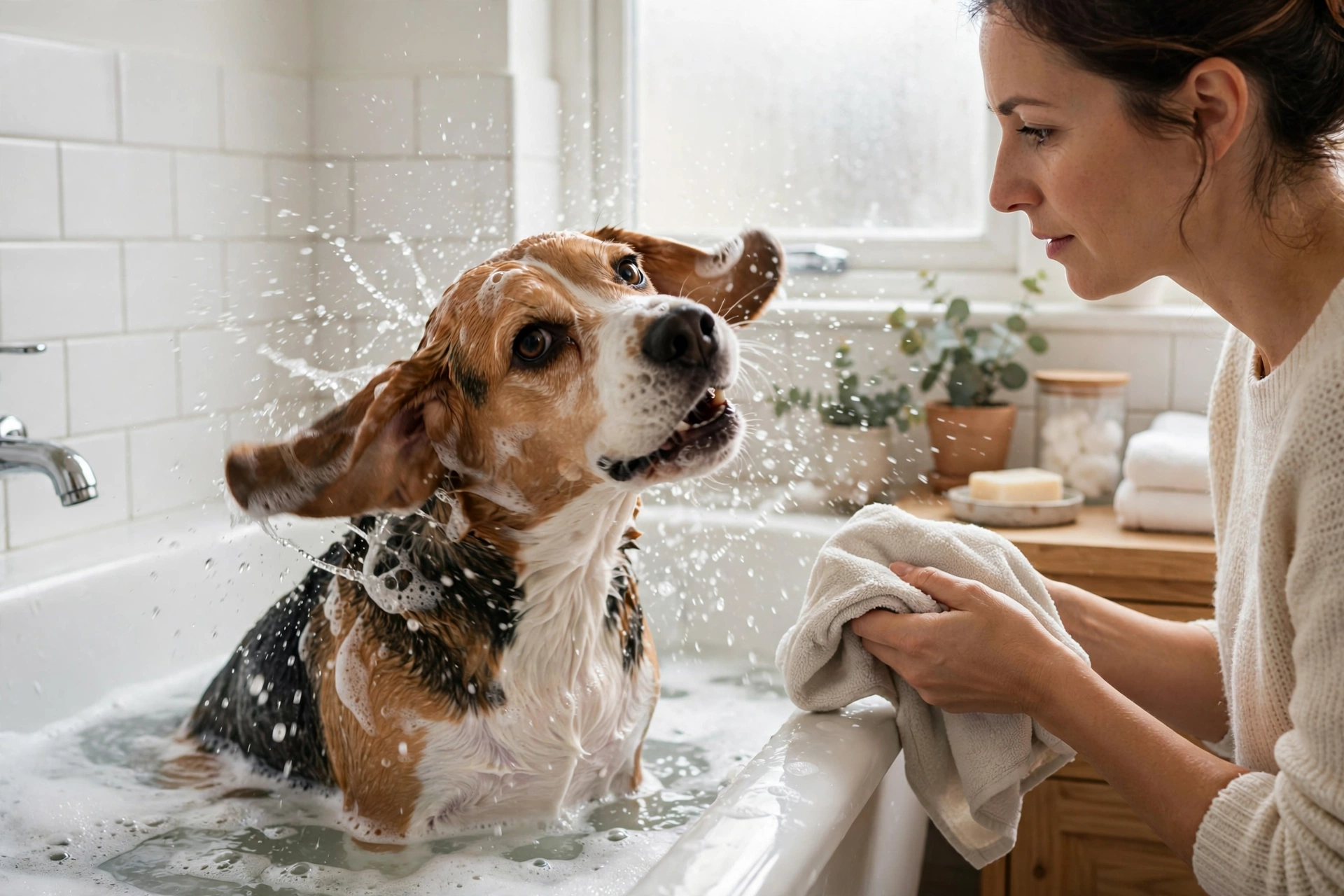
What it means: Water splashed into the ears feels deeply uncomfortable and can even contribute to ear infections, so dogs that have experienced it become defensive the moment water heads toward their head. Soap in the eyes stings just like it does for us. A dog that ducks, whips around, or shakes violently when you rinse the head is protecting sensitive areas.
What to do: Make a rule: wash the face with a damp cloth only — no pouring, no sprayer aimed at the head. Tilt the chin slightly up when rinsing nearby, and place a loose cotton ball (lightly, never pushed in) in each ear if your dog tolerates it. Use a gentle, fragrance-free shampoo so any accidental splash doesn’t sting. Over time, your dog learns that the head stays safe, and the ducking stops.
Helpful pick: earthbath Oatmeal & Aloe Fragrance Free Shampoo — soap-free and gentle, so accidental drips won’t irritate eyes or skin.
4. Water That’s Too Cold (or Too Hot)

What it means: A blast of cold water is a shock, and hot water can scald — both teach a dog that baths hurt. Dogs run slightly warmer than humans, so water that feels fine to your hand can feel chilly to them, especially for small or short-coated breeds. One bad temperature surprise is enough to make a dog flee at the sound of running water.
What to do: Aim for lukewarm — roughly 98 to 100°F (36–38°C). Test with the inside of your wrist, not your fingertips, the same way you’d check a baby bottle. Start the water before your dog is in the tub so there’s no cold surprise, and keep the bathroom warm and draft-free. Afterward, a towel dry followed by a treat teaches your dog that the end of the bath is the best part.
Helpful pick: PetSafe Treat Pouch Sport — keeps reward treats handy so you can pay your dog for bravery the moment the bath ends.
5. The Loud Dryer
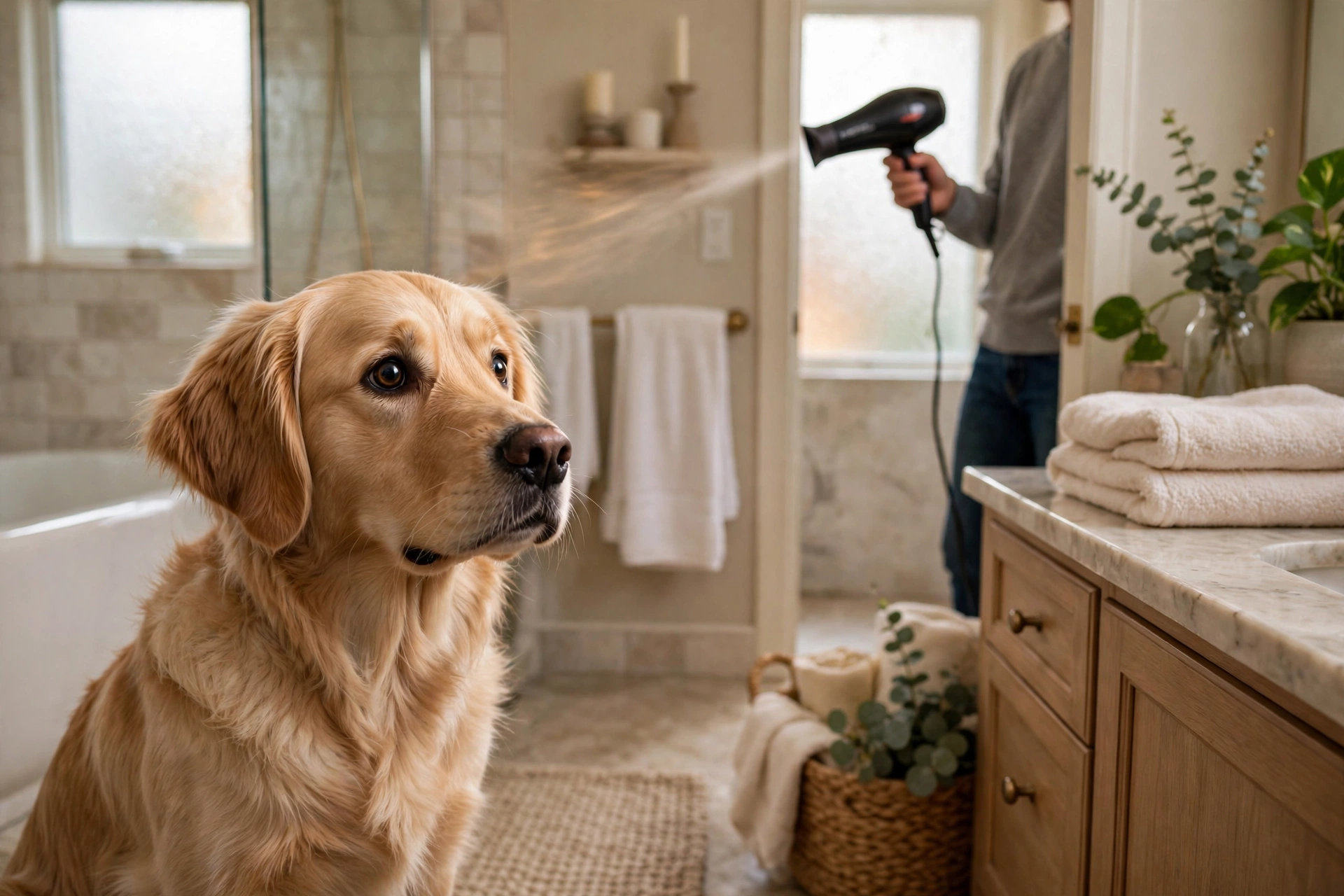
What it means: For many dogs, the bath itself is tolerable — it’s the roaring dryer afterward that terrifies them. Household hair dryers are loud, hot, and blow air at the face and ears, which dogs find deeply unpleasant. A dog that survived the bath but melts down at the dryer will start associating the whole routine with that noisy finale.
What to do: Skip the human dryer. Towel dry first (most dogs enjoy a brisk rub-down), then use a quiet pet-specific dryer on low heat and low speed, introduced gradually with treats — sound on from across the room, then closer, then on the body. Never blow into the face. Some long-coated dogs do best with air drying in a warm room plus thorough brushing to prevent matting.
Helpful pick: Zuke’s Mini Naturals — tiny soft training treats, perfect for rewarding calm behavior during gradual dryer introductions.
6. They Were Never Properly Introduced to Baths
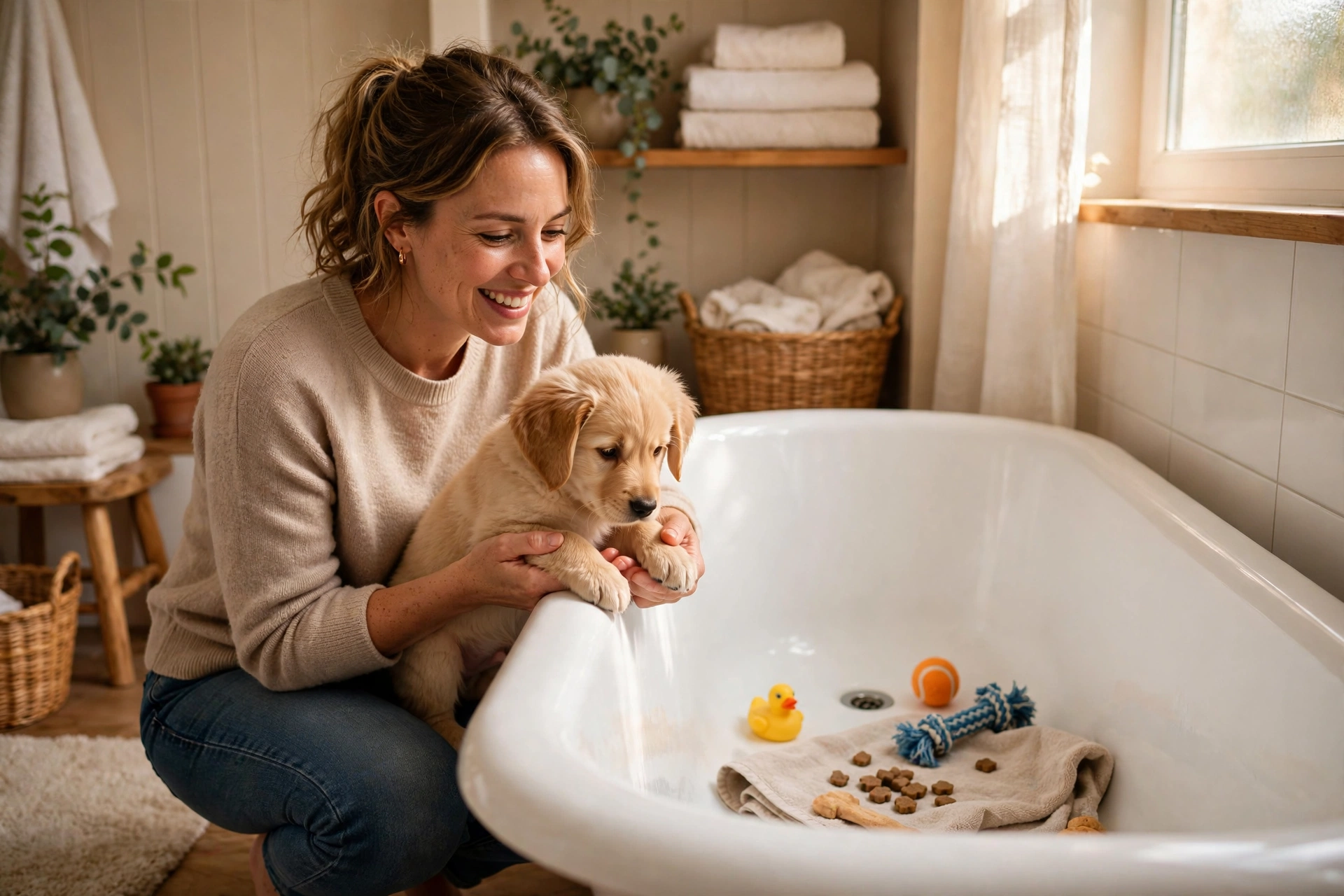
What it means: Puppies that were never bathed before a certain age — or adult dogs that simply went years without one — find the whole experience strange and overwhelming: the tub, the water, the confinement, the sounds, the smells. Uncertainty feels dangerous to a dog, and a fearful first bath at adulthood can cement a lifelong hatred.
What to do: Start bathing dogs young when possible, and for adults, treat them like puppies: play the long game. Feed meals near the tub, toss treats into it, let them explore at their own pace with zero pressure. Pair every new step — water, shampoo, rinsing — with high-value rewards. A treat pouch on your hip means you’re always ready to pay for brave choices, and it keeps the mood upbeat instead of rushed.
Helpful pick: Egiao Dog Treat Pouch — keeps treats within reach for rapid-fire rewarding during slow bath introductions.
How to Make Bath Time Fun
Once you know the “why,” turning bath time around follows the same formula for every reason: go slow, keep it positive, and let the dog set the pace. Here’s a simple weekly plan:
- Days 1–3: Treats for being near the tub. No water, no pressure.
- Days 4–6: Paw in the dry tub, then standing in an inch of lukewarm water — with treats raining down.
- Days 7–10: Add a damp cloth on the back, then gentle pouring, then a quick shampoo and rinse.
- Always: Keep your own energy calm and cheerful — dogs mirror your mood. Talk softly, move slowly, and end every session before your dog gets stressed.
Most dogs aren’t afraid of being clean — they’re afraid of feeling trapped, hurt, or out of control. Give them footing, comfort, and choice, and many dogs go from bath-phobic to bath-tolerant (and a few even learn to enjoy it).
Frequently Asked Questions
Should I bathe my dog less if they hate baths?
Not necessarily — instead, make baths easier and less frequent. Many healthy short-coated dogs only need a bath every 6–8 weeks, and between baths a damp cloth or pet wipe handles light dirt. Grooming needs vary by coat type, so adjust frequency rather than forcing traumatic baths.
Is it bad to force my dog into the bath?
Yes — forcing a fearful dog deeper into panic teaches them that baths really are dangerous, making future baths worse. Gentle desensitization takes longer up front but produces a dog that walks into the tub willingly.
Can I use human shampoo on my dog?
No. Human shampoo is formulated for a different skin pH and can dry out and irritate a dog’s skin. Use a dog-specific, ideally soap-free and fragrance-free shampoo to avoid stinging and itching.
Why does my dog run away when I say “bath”?
The word itself has become a predictor of a scary event. Change your cue: build a new positive routine around a different word (like “spa time”), paired with treats from day one, and never use the old word as a lure.
My dog shakes and pants during baths — is that stress?
Usually, yes. Shaking off water is normal, but trembling, panting, whale eye, tucked tail, or trying to escape are stress signals. Pause, lower the intensity (less water, quieter environment), and reward calm moments before continuing.
Keep Reading
- How to Groom a Dog at Home Step by Step
- Best Dog Hair Dryer for Home Grooming
- How to Bathe a Puppy
- Signs Your Dog Is Stressed
As an Amazon Associate, PetPostHub earns from qualifying purchases.