
Why Does My Dog Mumble? 6 Reasons (2026)
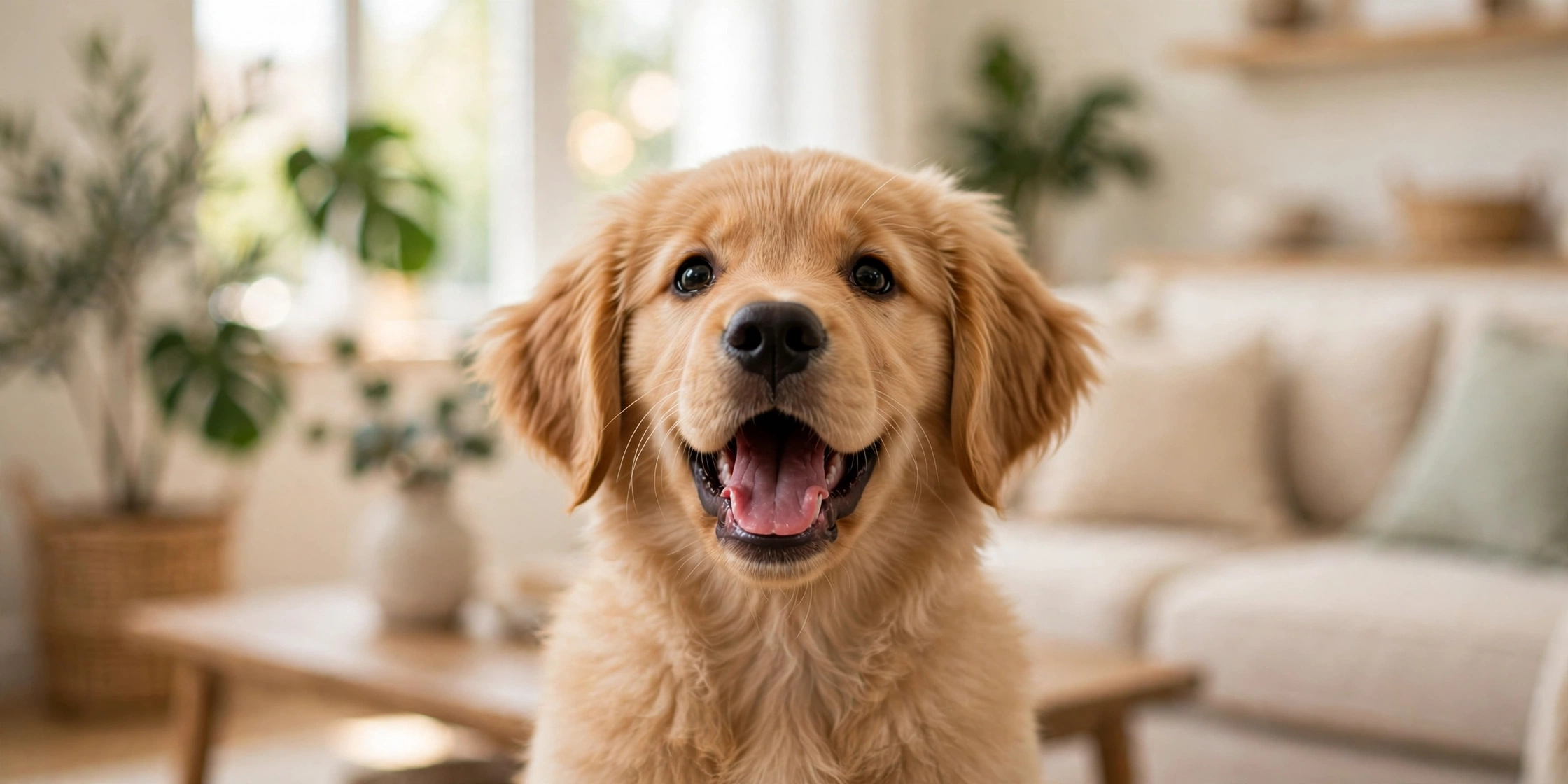
You’re chatting on the couch when your dog looks at you, opens his mouth, and out comes a low grumble-grumble-grumble — like an old man complaining about the weather. It’s hilarious, it’s weird, and it leaves you wondering why does my dog mumble at all?
Good news: in most cases, dog mumbling is completely normal. Dogs have a surprisingly wide vocal range, and those grumbles, groans, and almost-words are often just your dog’s way of having a conversation with you. Let’s decode the six most common reasons behind your dog’s running commentary.
Quick Answer: Why Does My Dog Mumble?
Most dogs mumble because they’re communicating — expressing contentment, asking for something, or simply chatting. It’s rarely a cause for concern. The one exception: a sudden change in your dog’s vocal sounds (new mumbling, hoarseness, or grumbling paired with pain signs) deserves a vet check to rule out throat, dental, or neurological issues.
Table of Contents
- 1. He’s Talking to You (Grumble Chat)
- 2. He’s Content and Relaxed
- 3. He’s Complaining or Begging
- 4. He’s Mumbling in His Sleep
- 5. It’s a Breed Trait
- 6. He Might Be Uncomfortable (Vet Note)
- Dog Mumbling vs. Growling
- Frequently Asked Questions
1. He’s Talking to You (Grumble Chat)
What It Means
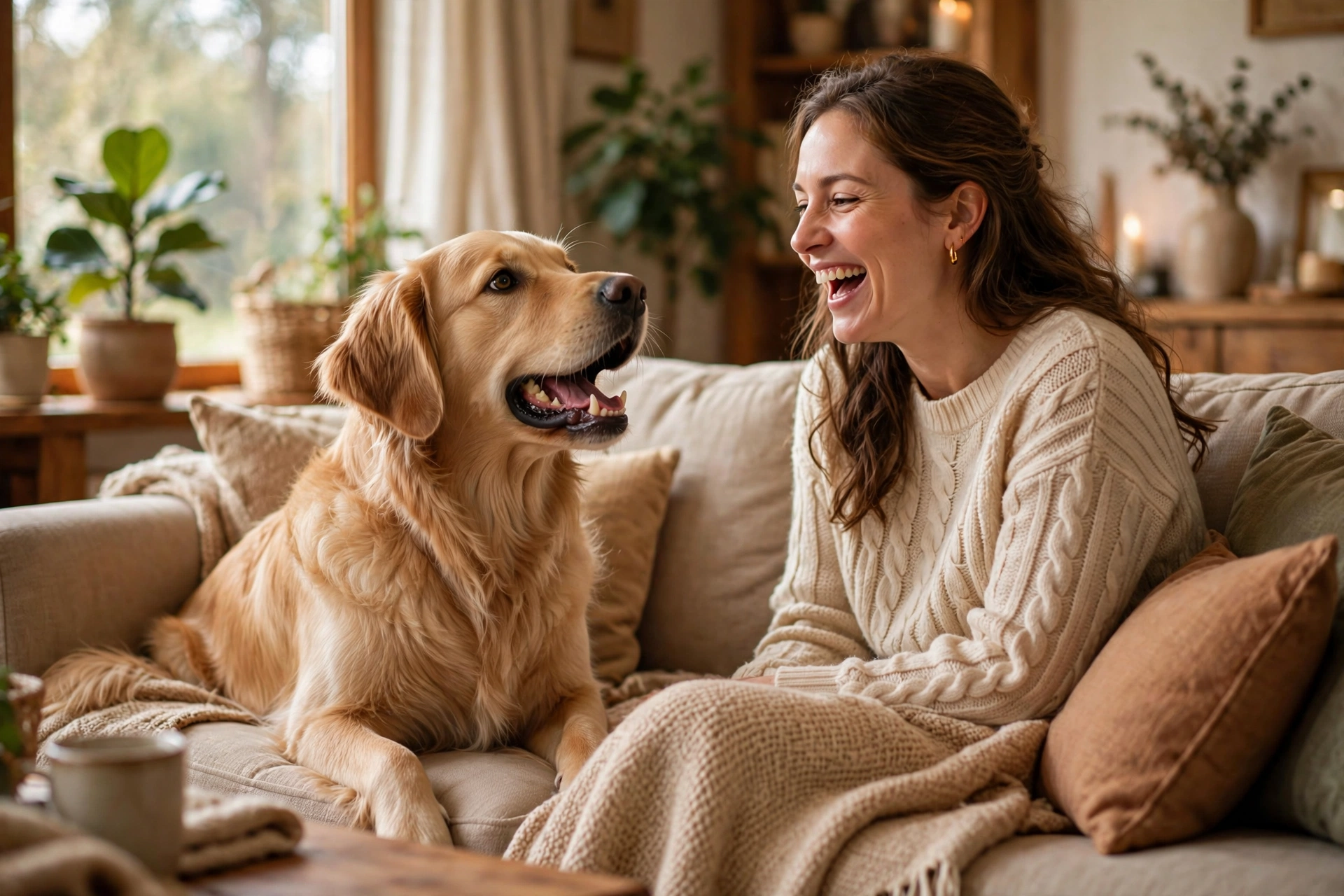
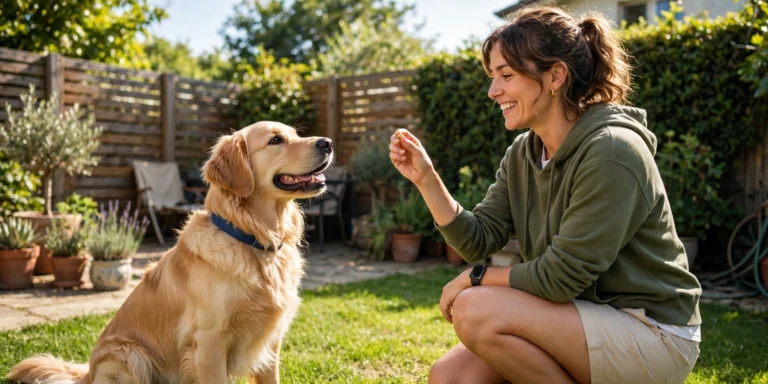
The most delightful reason: your dog is literally trying to have a conversation with you. Dogs learn fast that making noise gets your attention, and over time many develop a personal repertoire of grumbles, grunts, and mumbles that function like words. Some dogs “answer back” when you talk to them, escalating into a full back-and-forth that feels remarkably like dialogue.
What to Do
Talk back! Respond in a friendly tone and watch him light up — many owners find that their dogs get more animated and “talkative” the more you engage, developing signature sounds for different situations. This is bonding at its finest, and it’s one of the purest forms of two-way communication you’ll share with your pet. If the chatting turns demanding (mumbling every time he wants a treat), just make sure you’re not rewarding the mumbling specifically — respond with play or affection instead of food so it stays conversation, not begging. Dogs that learn every grumble earns a snack will, quite rationally, grumble at everything.
Helpful pick: Zuke’s Mini Naturals Training Treats — reward quiet, polite “conversations” during training so your chatterbox learns good manners alongside his vocabulary.
2. He’s Content and Relaxed
What It Means
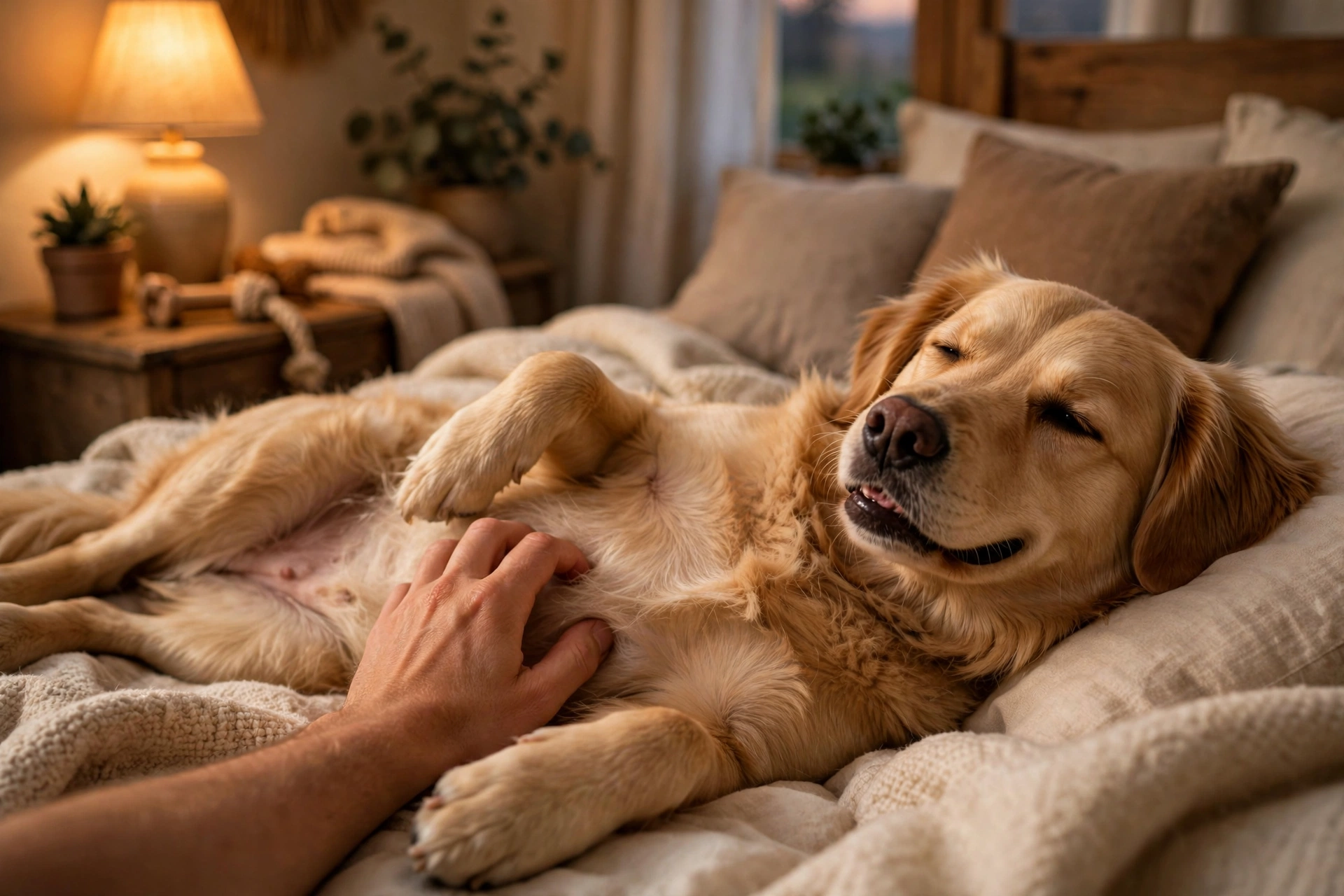
That low, rumbling grumble during belly rubs? It’s the canine version of purring. Many dogs — Rottweilers are famously the champions of this — produce a soft, rhythmic grumble when they’re blissfully happy. Body language is everything here: loose body, half-closed eyes, maybe a wagging tail or a flopped-over paw means pure contentment.
What to Do
Keep doing exactly what you’re doing. This is a compliment of the highest order, and dogs that grumble happily during affection tend to be deeply bonded with their owners. Some owners worry it’s a growl, but context is the giveaway — a contented dog’s grumble comes with a relaxed body, while a real warning growl comes with stiffness. Pay attention to the rhythm too: contentment grumbles are steady and even, almost musical, whereas warning growls tend to be shorter and more intense. Once you’ve heard both a few times, you’ll never confuse them again.
Helpful pick: Best Friends by Sheri Calming Donut Bed — the cozy, nest-like shape gives contented grumblers the perfect spot to curl up and sigh happily.
3. He’s Complaining or Begging
What It Means
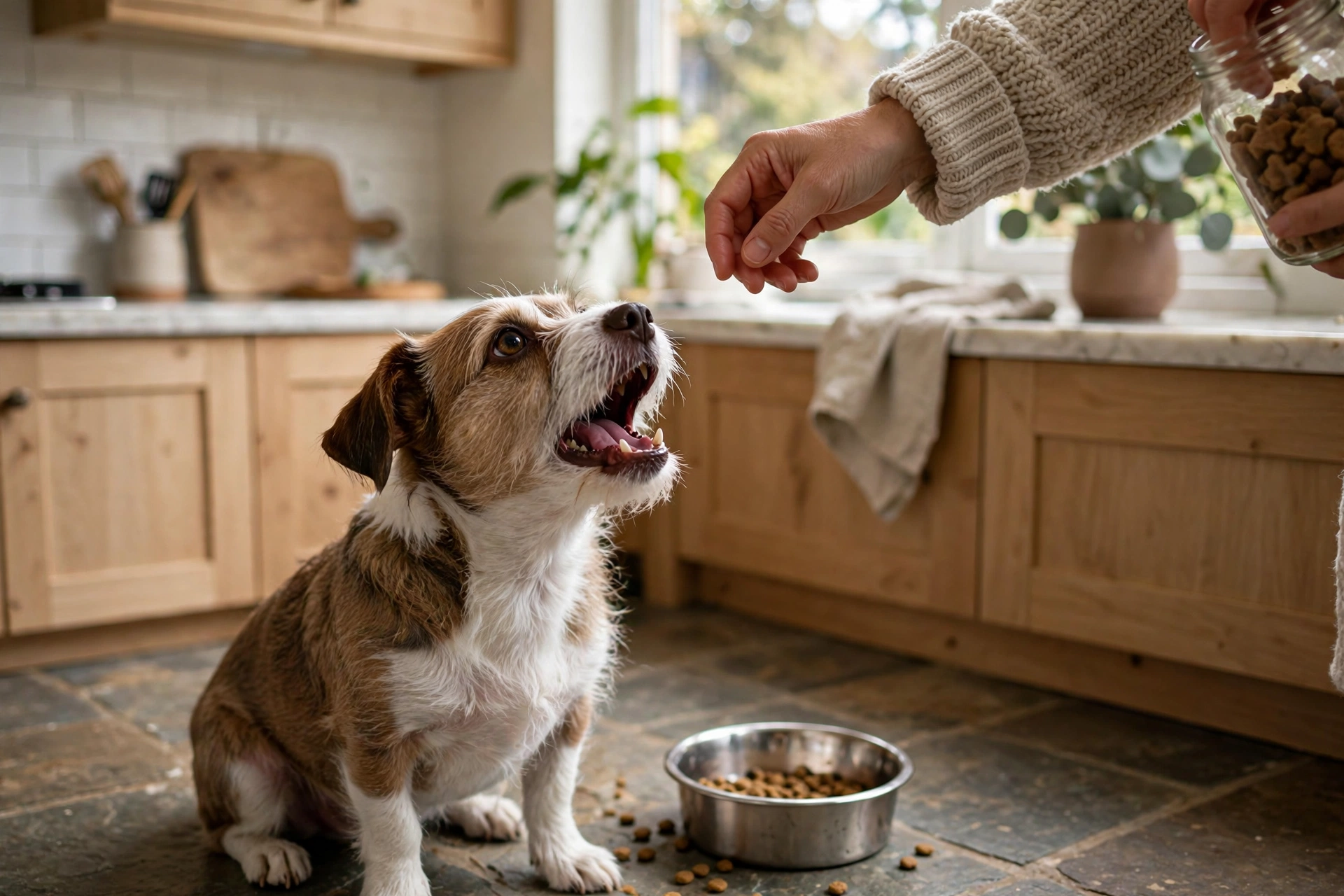
Sometimes the mumbling has a distinctly grumpy flavor — a whiny grumble-grumble when dinner is five minutes late, or when you stopped throwing the ball too soon. Dogs are dramatic, and a complaining mumble is basically your dog saying, “Excuse me, this service is unacceptable.” If you respond by caving, congratulations: you’ve trained yourself.
What to Do
It’s fine to find it funny — it is funny. But if the complaining becomes constant, practice calm waiting: reward quiet patience, not the grumble. Teach a “wait” cue so your dog learns that good things come to those who don’t mumble about it. The trick is catching the quiet moments — the split second your dog sits calmly instead of vocalizing is exactly when the reward should appear. Over a few weeks, most dogs figure out the new math quickly: silence pays better than grumbling. Just be prepared for some truly theatrical sighs during the transition period.
Helpful pick: Egiao Dog Treat Pouch — keep rewards on hand to reinforce calm, quiet behavior the moment it happens.
4. He’s Mumbling in His Sleep
What It Means
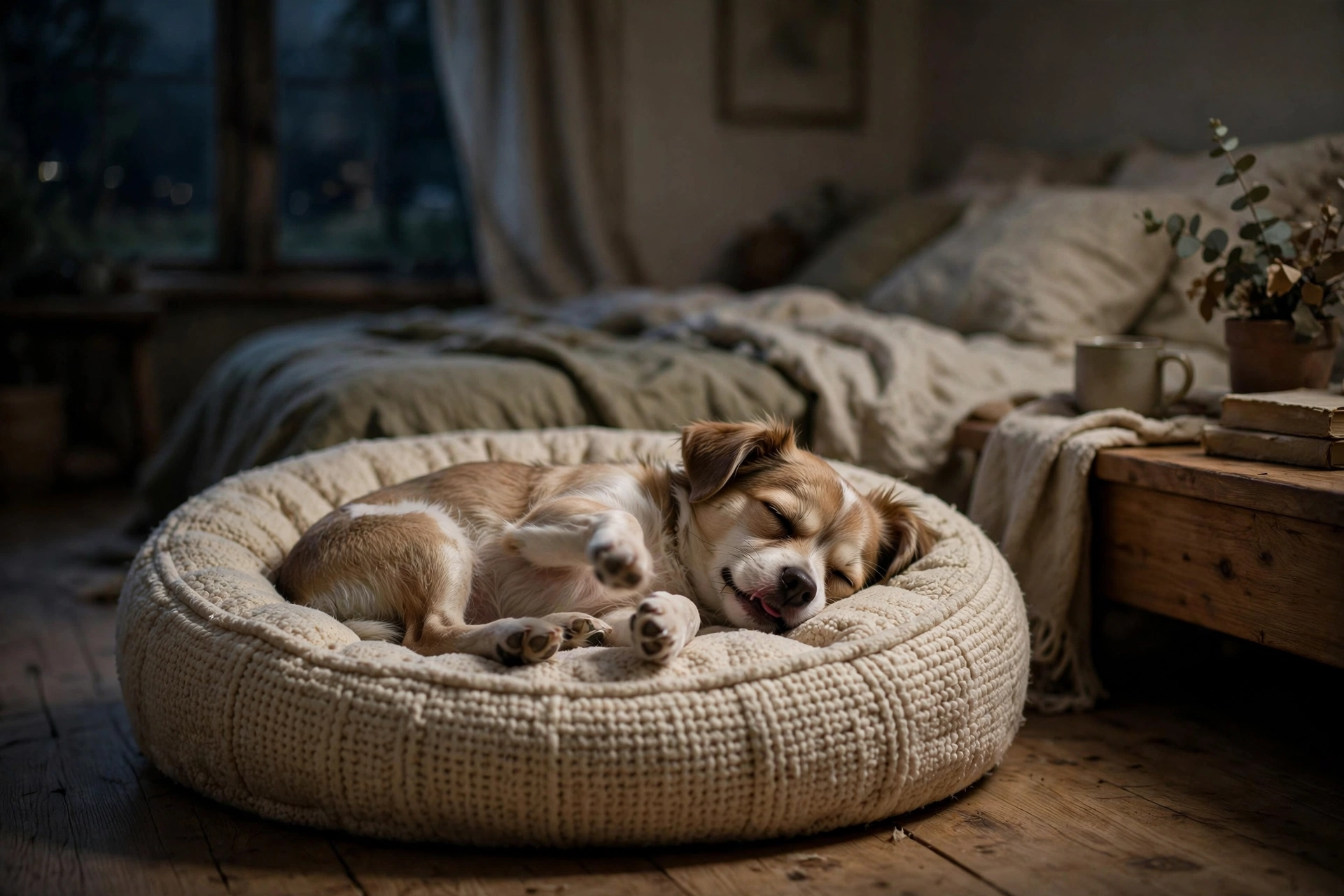
Dogs dream just like we do, and during REM sleep they may whimper, mumble, twitch, and even “run” with their paws. Those soft sleep-mumbles are your dog chasing squirrels in dreamland — usually nothing more mysterious than that. Most dogs dream most vividly about 20 minutes into a nap.
What to Do
Let sleeping dogs lie — literally. Resist the urge to wake him, even if the dream sounds intense. Waking a dog mid-dream can startle him, and a startled dog may snap reflexively. Interestingly, smaller dogs tend to dream more frequently (shorter sleep cycles) while larger dogs dream for longer stretches — so your Chihuahua may be a more prolific sleep-mumbler than your Great Dane. If the mumbling is paired with labored breathing or he seems distressed after waking, that’s worth noting for your vet.
Helpful pick: SmartPetLove Snuggle Puppy — the heartbeat feature helps anxious sleepers settle into deeper, calmer rest.
5. It’s a Breed Trait
What It Means
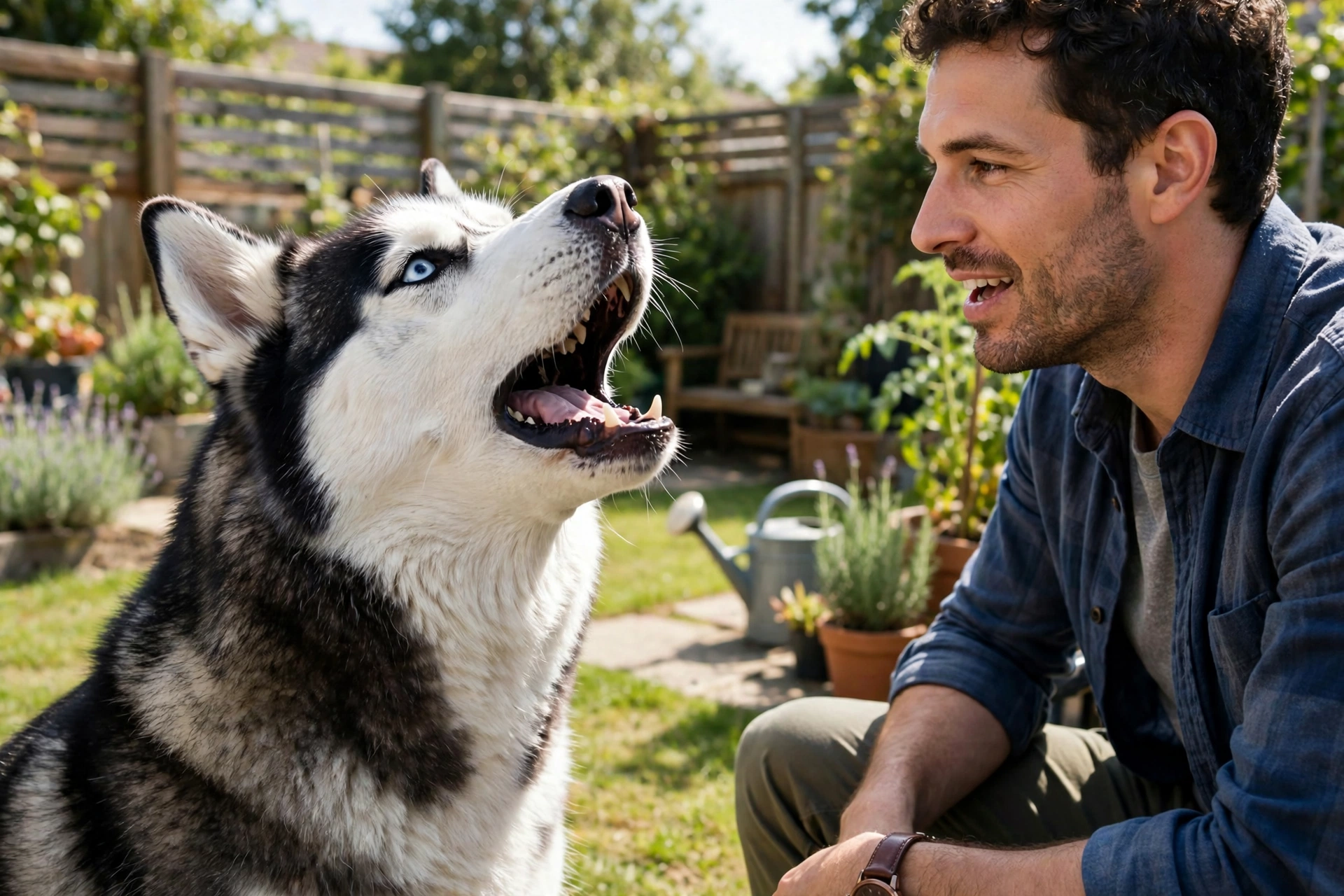
Some dogs are simply born talkers. Huskies, Malamutes, Beagles, and Shiba Inus are notorious chatterboxes with an almost human-sounding range of vocalizations. Huskies in particular produce sounds so speech-like that viral videos of “talking huskies” are an entire internet genre. If your dog’s breed is known for vocalizing, his mumbling is likely just his heritage showing.
What to Do
Embrace it — you chose a talker! Channel that vocal energy into fun: teach a “speak” and “quiet” cue so he has an on/off switch, and give chatty breeds plenty of mental stimulation so the talking stays joyful rather than bored. Vocal breeds were often bred for jobs that required sound — hounds baying on a trail, huskies communicating across a sled team — so their chatter is working-dog heritage in action. A puzzle toy or a training session that engages their brain will often quiet the monologue, because a tired mind is a quieter mouth.
Helpful pick: KONG Classic — stuff it and freeze it to keep a vocal, boredom-prone dog happily occupied.
6. He Might Be Uncomfortable (Vet Note)
What It Means
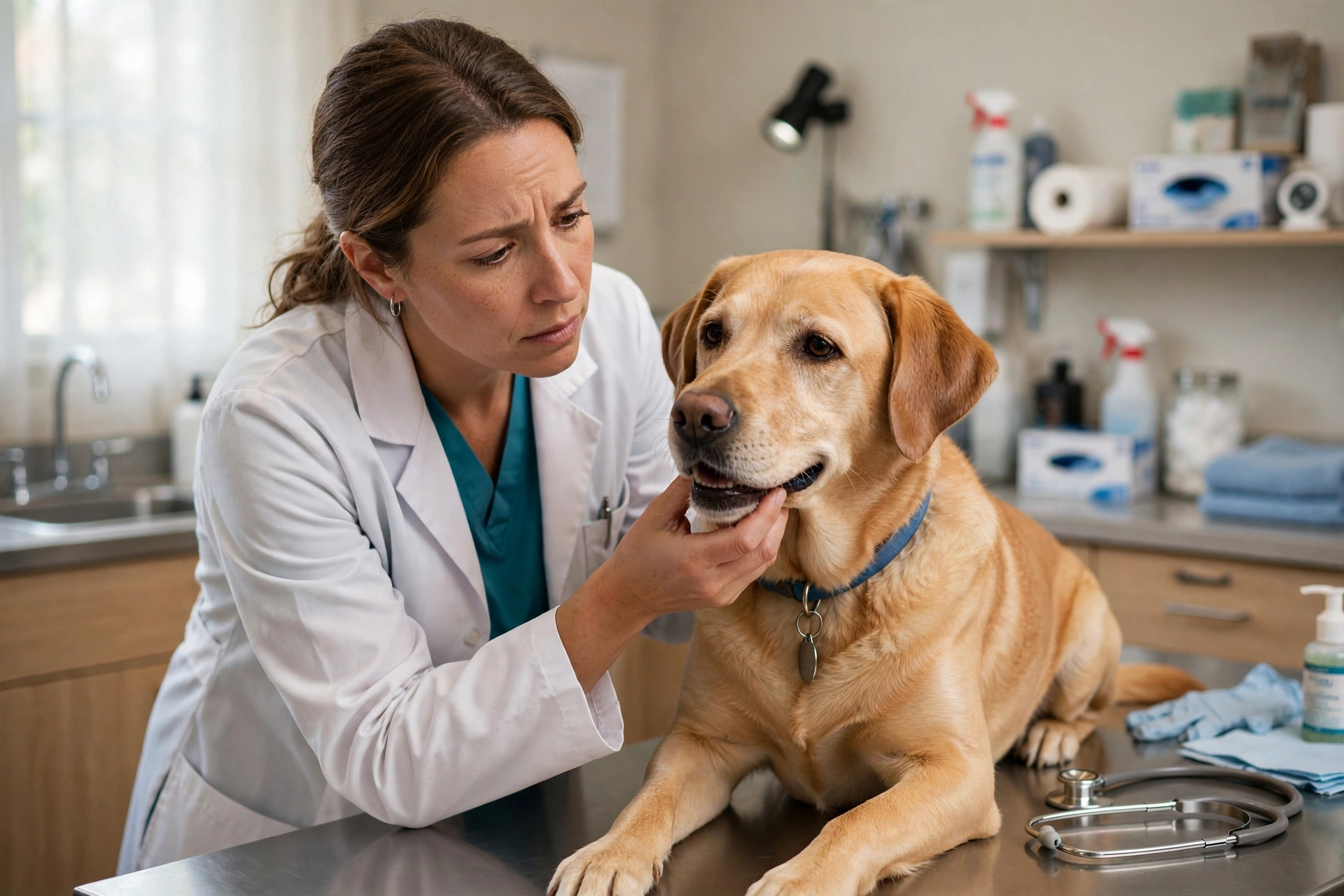
Here’s the one serious reason on the list. If your dog’s mumbling is new, sounds different from his usual chatter (hoarse, raspy, strained), or comes with other changes — reluctance to eat, pawing at the mouth, coughing, lethargy — it could signal throat irritation, dental pain, or another medical issue. A sudden change in vocalization is always worth paying attention to.
What to Do
Don’t panic, but do call your vet if the change persists more than a day or two, especially if paired with appetite loss or discomfort. Most causes (like mild laryngitis from enthusiastic barking) are minor, but your vet can rule out anything serious quickly. Take note of when the mumbling happens — after eating, during excitement, at rest — since timing clues help your vet narrow down the cause. A quick phone call describing the change is often enough for your vet to tell you whether it can wait for a routine visit or needs same-day attention.
Helpful pick: ADAPTIL Calm Home Diffuser — helps keep an anxious dog relaxed while you monitor new symptoms before the vet visit.
Dog Mumbling vs. Growling: How to Tell the Difference
This is the question every owner asks, because a grumble can sound like the opening act of a growl. The secret is reading the whole dog, not just the soundtrack:
- Mumbling (friendly): Loose, wiggly body. Soft eyes or squinting. Tail wagging or neutral. Happens during play, petting, or while “talking” to you.
- Growling (warning): Stiff, still body. Hard stare, bared teeth, raised hackles. Tail high and rigid or tucked tight. Happens over resources, space, or perceived threats.
If you’re ever unsure, respect the growl — back off calmly and give your dog space. A growl is communication too, and punishing it removes your dog’s polite warning system. Many behaviorists compare it to taking the batteries out of a smoke detector: you haven’t removed the fire, just the warning. When in doubt, assume communication rather than aggression, give space, and observe — the rest of the dog’s body will tell you the story.
Frequently Asked Questions
Why does my dog mumble when I talk to him?
He’s answering you! Dogs learn that vocalizing gets a response, so many develop a back-and-forth “conversation” habit with their favorite people. It’s a sign of a strong bond.
Is dog mumbling the same as growling?
No. Mumbling is loose, low, and casual, usually paired with a relaxed body. Growling is a warning — stiff body, hard stare, possible teeth. Context and body language tell you which is which.
Why does my dog grumble when I pet him?
That’s contentment — the canine equivalent of purring. Rottweilers and many other breeds grumble happily during belly rubs and cuddles. Enjoy it.
Should I worry if my dog suddenly starts mumbling?
A sudden change in vocal sounds — new hoarseness, straining, or mumbling with appetite loss or lethargy — warrants a vet visit. Gradual, lifelong chattiness is normal.
Do all dogs mumble?
No, and it varies hugely by individual and breed. Huskies, Malamutes, Beagles, and Shiba Inus are famously vocal, while Basenjis famously can’t bark at all (they yodel instead). Every dog has its own soundtrack.
Keep Reading
- Why Does My Dog Huff? 6 Reasons
- Why Does My Dog Groan?
- Why Does My Dog Sigh?
- Dog Body Language Guide
As an Amazon Associate, PetPostHub earns from qualifying purchases.



One Comment