
Why Does My Dog Sniff My Eyes? 5 Reasons
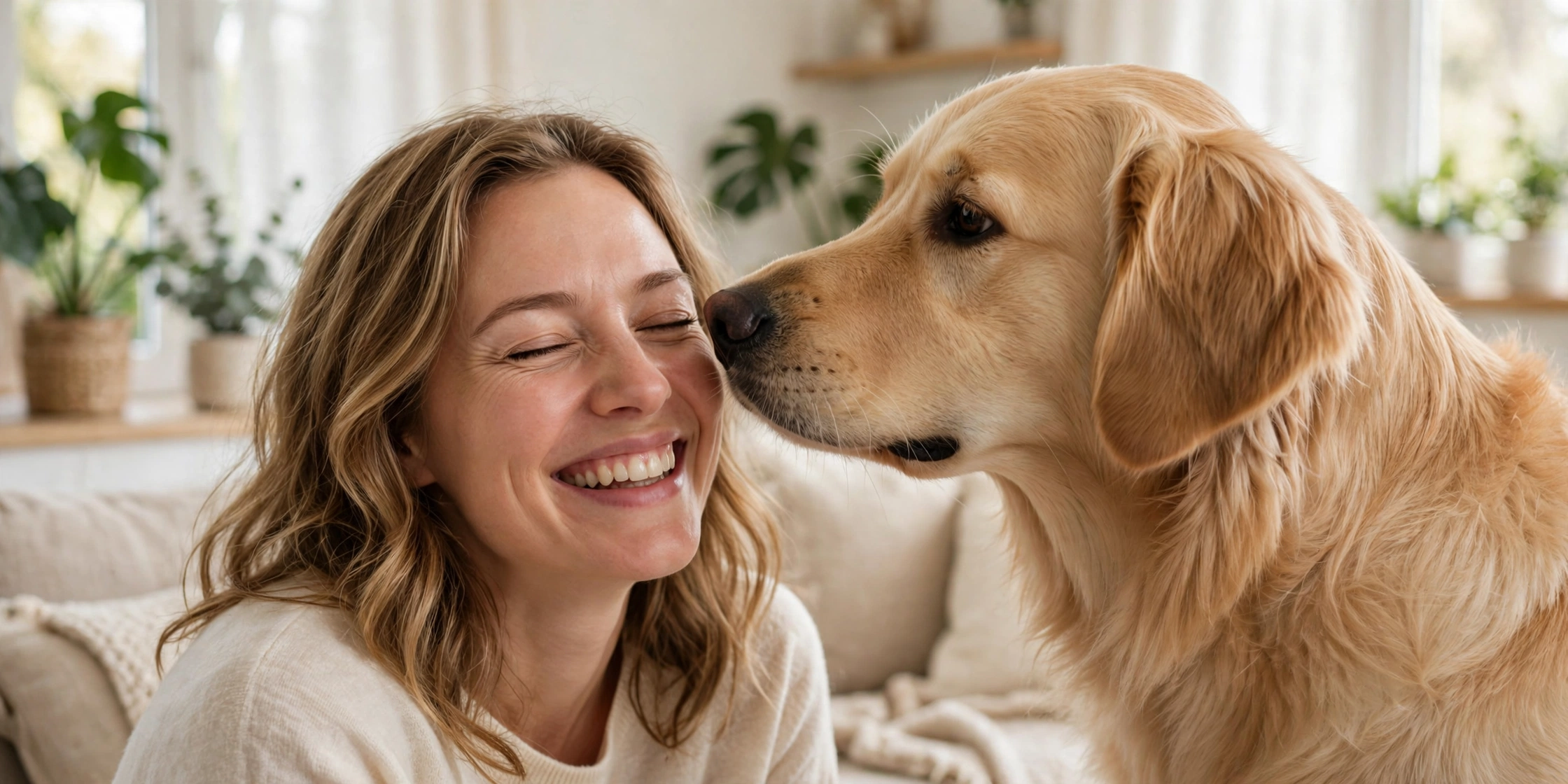
Has your dog ever pressed his cold nose right up to your eye and taken a long, curious sniff? If you have ever wondered why does my dog sniff my eyes, you are not alone. Eye sniffing is one of those quirky dog habits that can feel flattering, strange, or a little uncomfortable all at once.
The good news is that in the vast majority of cases, this behavior is completely normal. Dogs explore the world through their noses, and with up to 300 million scent receptors, your eyes are simply an interesting scent source. From the salt in your tears to the emotions you are feeling, your eyes give your dog a surprising amount of information. Let’s break down the five most common reasons your dog sniffs your eyes, what each one means, and what (if anything) you should do about it.
Table of Contents
- 1. Curiosity About Your Tears and Eye Scent
- 2. Reading Your Emotions
- 3. Noticing a Change in Your Scent (The Medical Alert Myth and Fact)
- 4. Showing Affection and Bonding
- 5. Pure Habit
- Is Eye Sniffing Safe?
- Frequently Asked Questions
1. Curiosity About Your Tears and Eye Scent
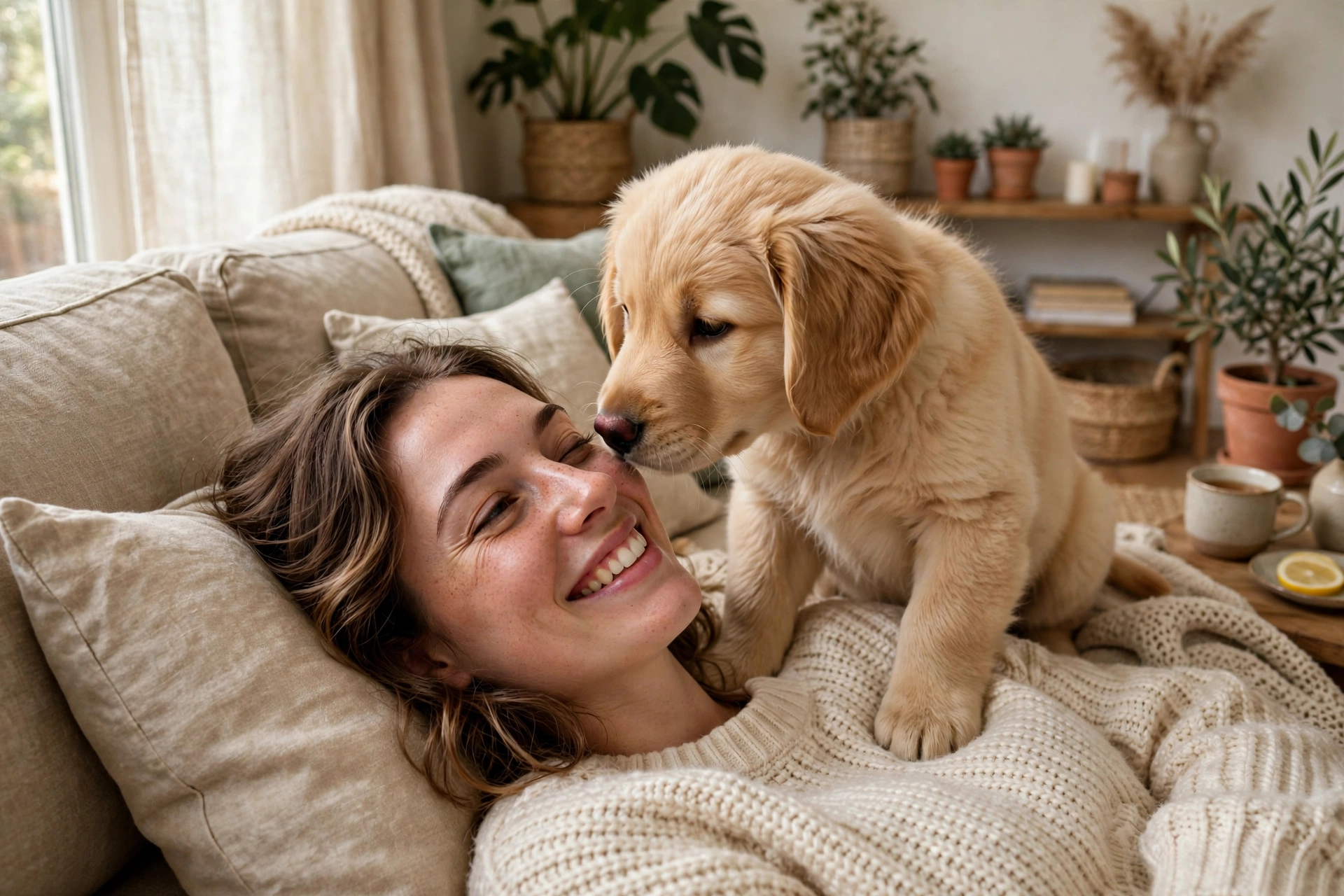
Dogs are professional investigators, and your eyes produce a scent they cannot resist. Your tear ducts constantly release tiny amounts of fluid containing salt, proteins, and even trace hormones like cortisol. To a human, tears are basically odorless. To your dog, they are a full biography.
When your dog sniffs your eyes, he is often simply gathering data. The area around your eyes carries oils and moisture that smell different from the rest of your face, and dogs love novelty. This is the same instinct that drives them to sniff everything on a walk — your eyes are just the closest, most interesting mystery available.
What to do: Nothing, unless it bothers you. If the sniffing is constant, give your dog’s nose something else to investigate. Nose work is a natural stress reliever for dogs, and redirecting that curiosity to a dedicated activity keeps it fun for both of you.
Helpful pick: AMIR Snuffle Mat for Dogs — a foraging puzzle that channels your dog’s sniffing instincts into a rewarding activity.
2. Reading Your Emotions
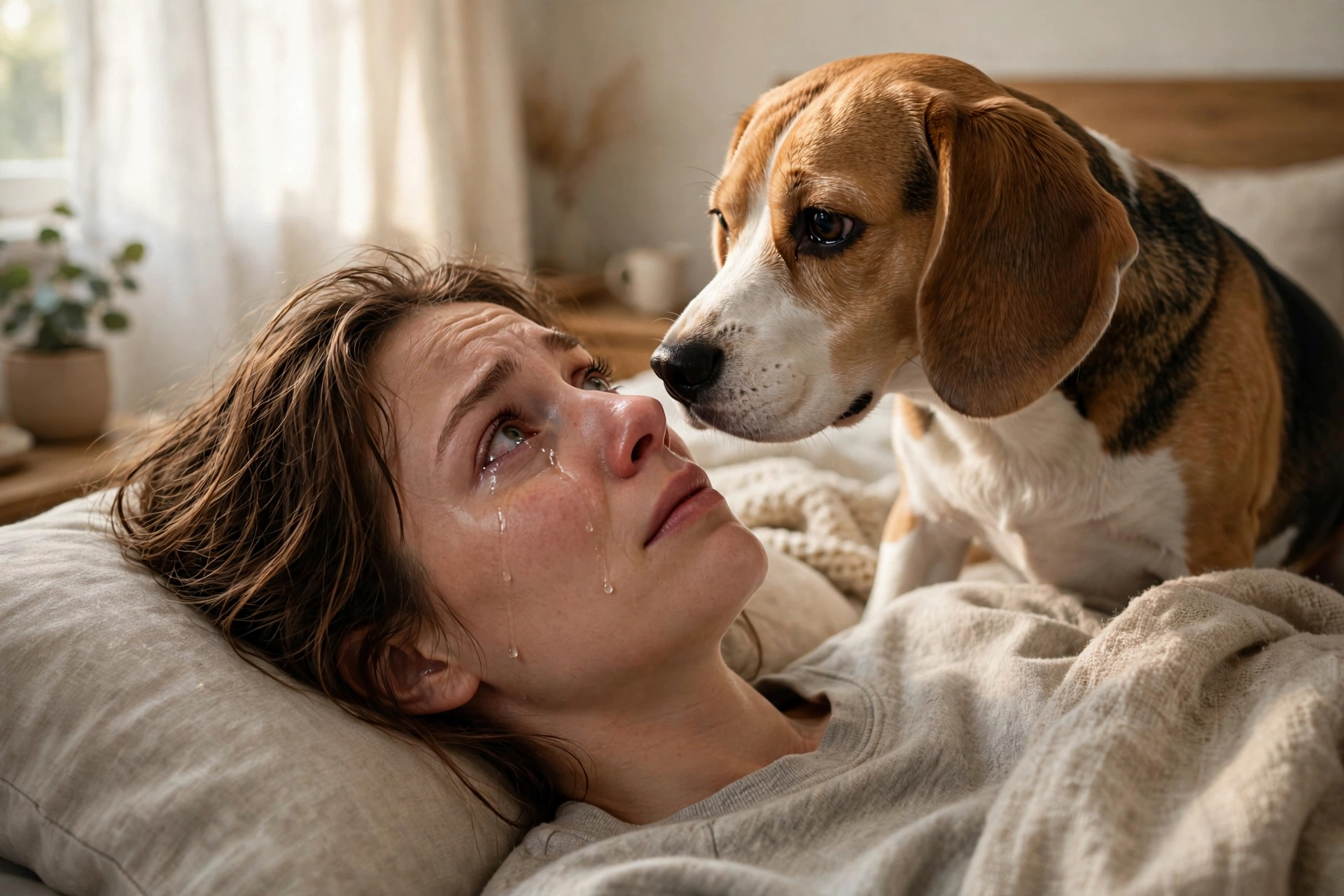
Dogs are remarkably skilled at reading human emotions, and they do a lot of that reading with their noses. When you cry, laugh until you tear up, or sit stressed with tired, watery eyes, the chemical makeup of your tears actually changes. Research on human tears suggests they carry chemosignals linked to emotional states, and dogs — with their extraordinary olfactory ability — can likely detect these subtle shifts.
So when your dog sniffs your eyes during a tough moment, he may be trying to figure out how you are feeling. Dogs evolved alongside humans for tens of thousands of years, and the ones who could sense their owner’s mood and respond appropriately were the most successful. Eye sniffing may be your dog’s way of checking in: “Something changed. Are you okay?”
What to do: Welcome the comfort. Respond calmly with gentle petting and a quiet voice, and you reinforce a lovely emotional bond. If you notice this behavior spiking during anxious periods, make sure your dog is getting enough exercise and mental stimulation too — understanding your dog’s body language helps you support him right back.
Helpful pick: Cloud Star Tricky Trainers Soft & Chewy Dog Treats — tiny low-calorie rewards that are perfect for reinforcing calm, comforting behavior.
3. Noticing a Change in Your Scent (The Medical Alert Myth and Fact)
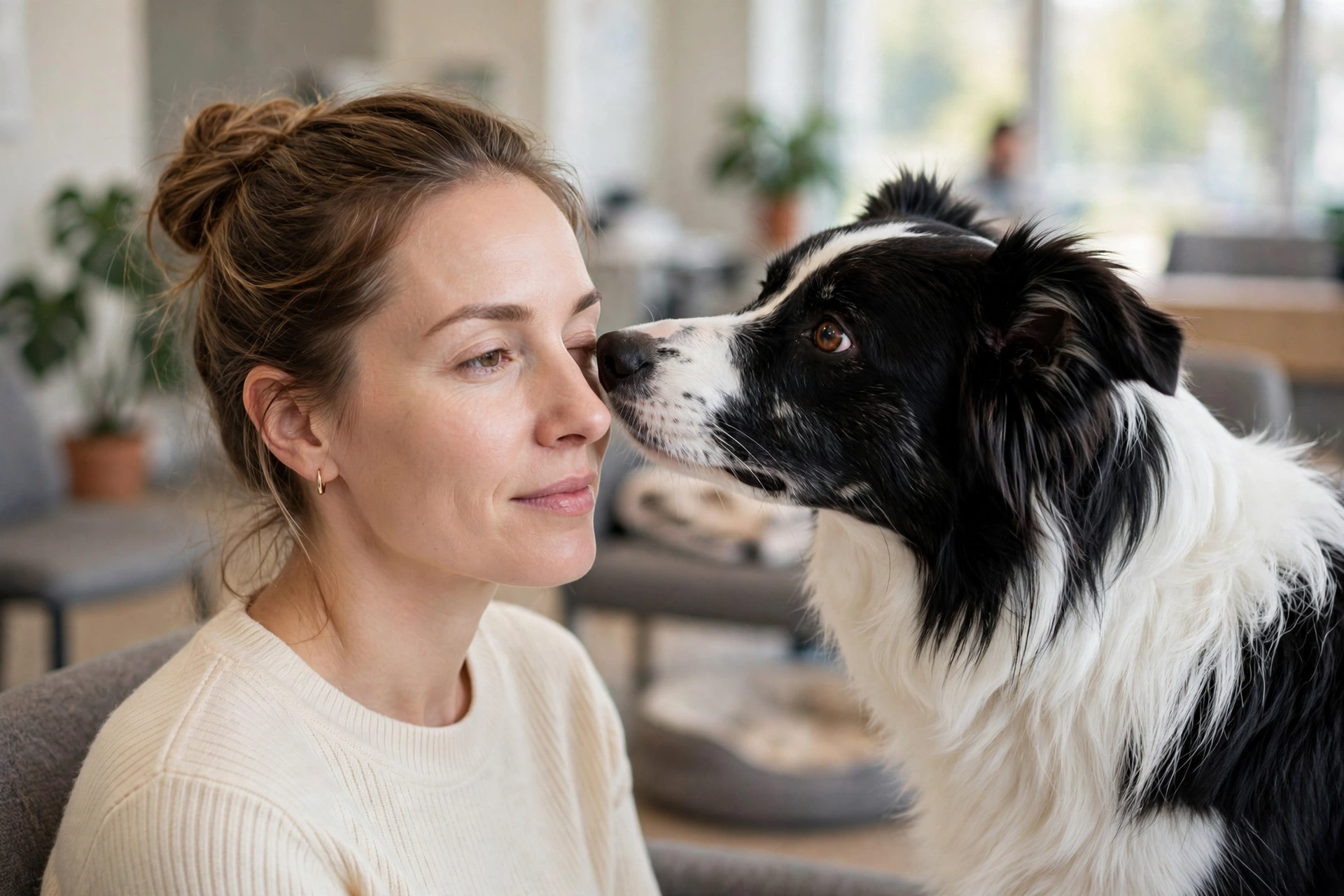
You may have read claims that dogs can “smell illness” in your eyes. Let’s separate myth from fact. The myth: your dog sniffing your eyes means you are sick. The fact: dogs genuinely can detect subtle scent changes in the human body — trained medical detection dogs can identify conditions like low blood sugar or certain infections by scent. However, your untrained pet sniffing your eyes is not a diagnosis, and it almost never means something is wrong.
What is more likely: your dog noticed a small change — new eye drops, allergy-related watering, a bit of discharge, or even a different moisturizer — and is investigating. Dogs notice everything. If the behavior is brand new, intense, and paired with your own symptoms like redness, swelling, or unusual discharge, it is worth mentioning to your doctor. Otherwise, treat it as curiosity, not a medical alert.
What to do: Do not panic. If you feel fine, carry on. If you have eye symptoms of your own, see your doctor rather than relying on your dog’s nose. Meanwhile, keep your dog calm and settled so a passing curiosity does not turn into an obsessive habit.
Helpful pick: LickiMat Slomo Dog Lick Mat — the calming licking action helps settle an overexcited or fixated dog during quiet moments.
4. Showing Affection and Bonding
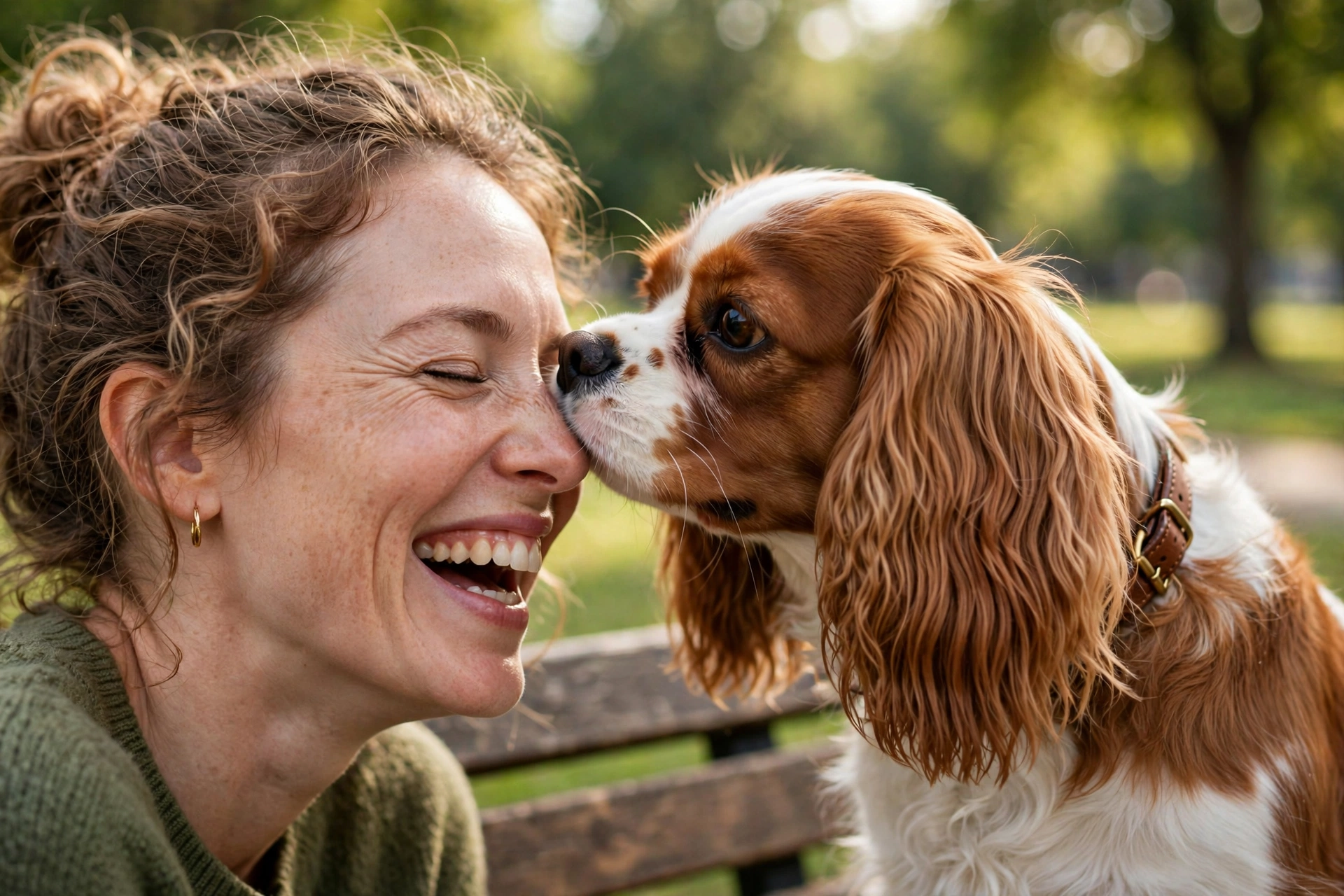
Sometimes eye sniffing is simply your dog’s way of saying “I love you.” Dogs greet and bond through scent, and your face is the most scent-rich, emotionally expressive part of you. A dog that presses his nose to your eyes, especially with a soft, wagging body, is engaging in social bonding — the same instinct behind nudging you with his nose or poking you with his nose.
Studies on the dog-human bond show that mutual gazing between dogs and owners triggers oxytocin — the “love hormone” — in both species. Eye sniffing often follows that loving stare. It is your dog’s version of leaning in for a hug, and it is one of the clearest signs your dog loves you.
What to do: Enjoy it — as long as your dog is gentle. Reward the soft, calm version of the behavior with praise so your dog learns that gentle affection gets a warm response, while an overexcited nose-jab does not.
Helpful pick: Leash Boss Dog Treat Pouch — keep rewards handy so you can reinforce gentle, affectionate greetings on walks and at home.
5. Pure Habit
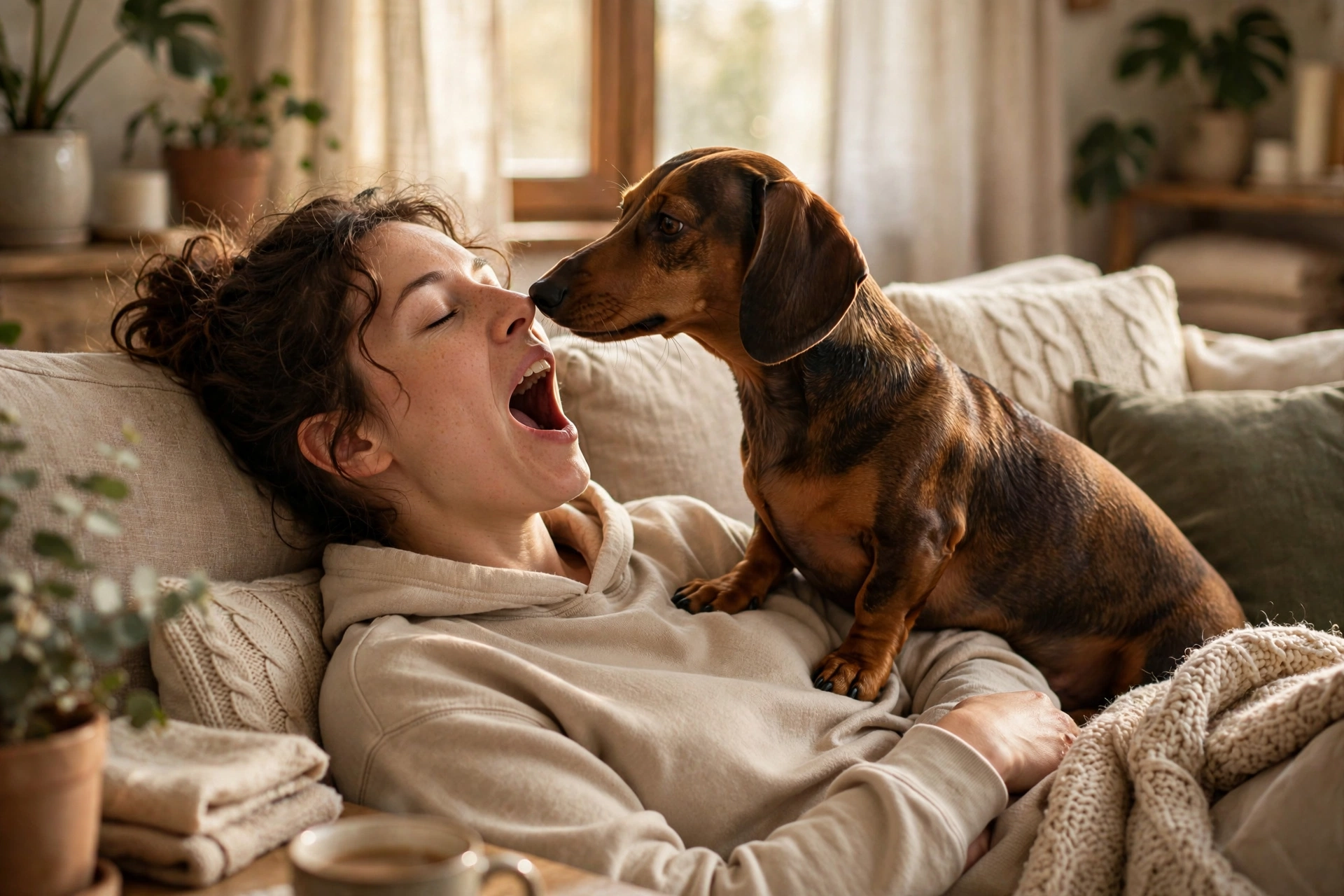
Dogs are creatures of routine, and behaviors that get a reaction tend to stick. Think about it: the first time your dog sniffed your eyes, you probably laughed, talked to him, or gave him attention. To your dog, that was a reward. So he did it again. And again. Now it is a habit — part of his morning greeting, his way of waking you up, or his go-to move when he wants your focus.
Habitual eye sniffing is harmless, but like any habit, it can become pushy if it always earns a big reaction. Dogs repeat what works, so the key is consistency: calm acknowledgment for polite sniffing, and a gentle redirect when he gets too enthusiastic.
What to do: Decide what level of eye sniffing you are comfortable with. For the acceptable version, respond with calm praise. For the over-the-top version, turn your face slightly away and redirect him to a toy or a quick training cue. Avoid scolding — a sharp reaction can make the behavior more exciting, not less.
Helpful pick: Vetnique Labs Petbliss Dog Calming Chews — a vet-formulated calming chew that supports relaxed behavior during habitual greeting routines.
Is Eye Sniffing Safe?
For the most part, yes — a gentle sniff is harmless. Your dog’s nose touching the area around your eye is not going to injure you. However, there are a few sensible precautions:
- Watch the claws and teeth: An excited dog can accidentally scratch your eyelid or bump your eye with his nose. Teach and reward gentleness, especially with large or bouncy dogs.
- Hygiene matters: Dog noses explore a lot of unsavory places. If your dog licks your eyes (not just sniffs), gently discourage it — eyes are vulnerable to bacteria, and dogs can pick up germs from soil, feces, and other animals.
- Contact lens wearers, take note: If you wear contacts, be extra cautious about letting your dog near your eyes to reduce infection risk.
- Know when to redirect: If the sniffing becomes obsessive, constant, or paired with pawing at your face, redirect to a toy or training session. Obsessive face-focused behavior can occasionally signal anxiety in the dog himself.
If your dog’s eye-sniffing ever turns into hard nose-pokes or mouthing at your face, treat it like any other over-the-top greeting behavior: stay calm, redirect, and reward the calmer alternative.
Frequently Asked Questions
Why does my dog sniff my eyes every morning?
Morning eye sniffing is usually a greeting habit. Your dog has likely learned that sniffing your face wakes you up and earns attention. The tears and moisture that collect overnight also make your eyes extra interesting to his nose first thing in the morning.
Can dogs smell when you are sick by sniffing your eyes?
Dogs can detect subtle scent changes, and trained medical detection dogs can identify certain conditions by smell. But an ordinary pet sniffing your eyes is not making a medical diagnosis — he is far more likely responding to tears, new eye products, or simple curiosity. See your doctor if you have symptoms; do not rely on your dog’s nose.
Should I let my dog sniff my eyes?
A gentle sniff is fine and is often a sign of affection or curiosity. Discourage licking around your eyes for hygiene reasons, and redirect your dog if he gets rough or obsessive about it.
Why does my dog sniff my eyes when I cry?
Your tears change chemically when you are emotional, and your dog can likely smell the difference. Combined with your altered body language and sounds, crying makes your eyes a focal point of concern — your dog is checking on you.
How do I stop my dog from sniffing my eyes?
Redirect rather than punish. When he goes for your eyes, calmly turn away and ask for a sit or another known cue, then reward the calm behavior. Give his nose a job — snuffle mats, treat puzzles, and scent games — so the investigative urge has a better outlet.
As an Amazon Associate, PetPostHub earns from qualifying purchases.



One Comment