
Why Does My Dog Smell? 8 Common Causes and How to Fix Them
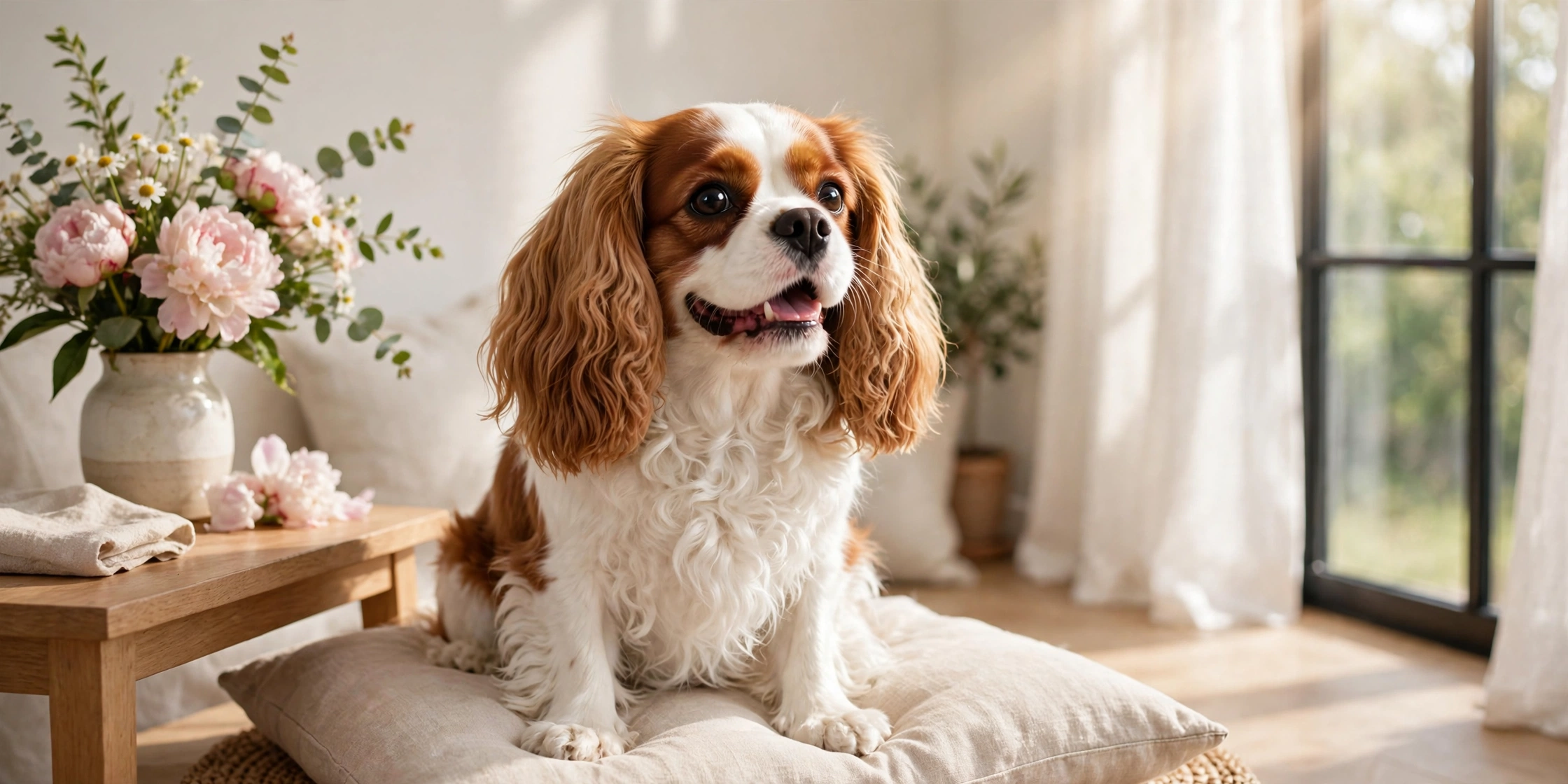
Every dog has a natural scent, but if you’re wondering why does my dog smell so bad — even right after a bath — the odor is usually trying to tell you something. A dog’s smell can come from something simple like skipped baths, or it can be the first sign of a skin infection, dental disease, or another health issue that needs attention.
In this guide, we’ll walk through the 8 most common causes of dog odor, why each one smells the way it does, and exactly how to fix it — so you can get back to enjoying cuddle time without holding your breath.
Table of Contents
- 1. Infrequent Bathing or the Wrong Shampoo
- 2. Yeast or Bacterial Skin Infection
- 3. Ear Infection
- 4. Dental Disease and Bad Breath
- 5. Full or Impacted Anal Glands
- 6. Wet Dog + Damp Environment
- 7. Diet, Gas, and Digestive Issues
- 8. Rolling in Something Smelly
- When Smell Means a Vet Visit
- How to Keep Your Dog (and House) Smelling Fresh
- Frequently Asked Questions
1. Infrequent Bathing or the Wrong Shampoo
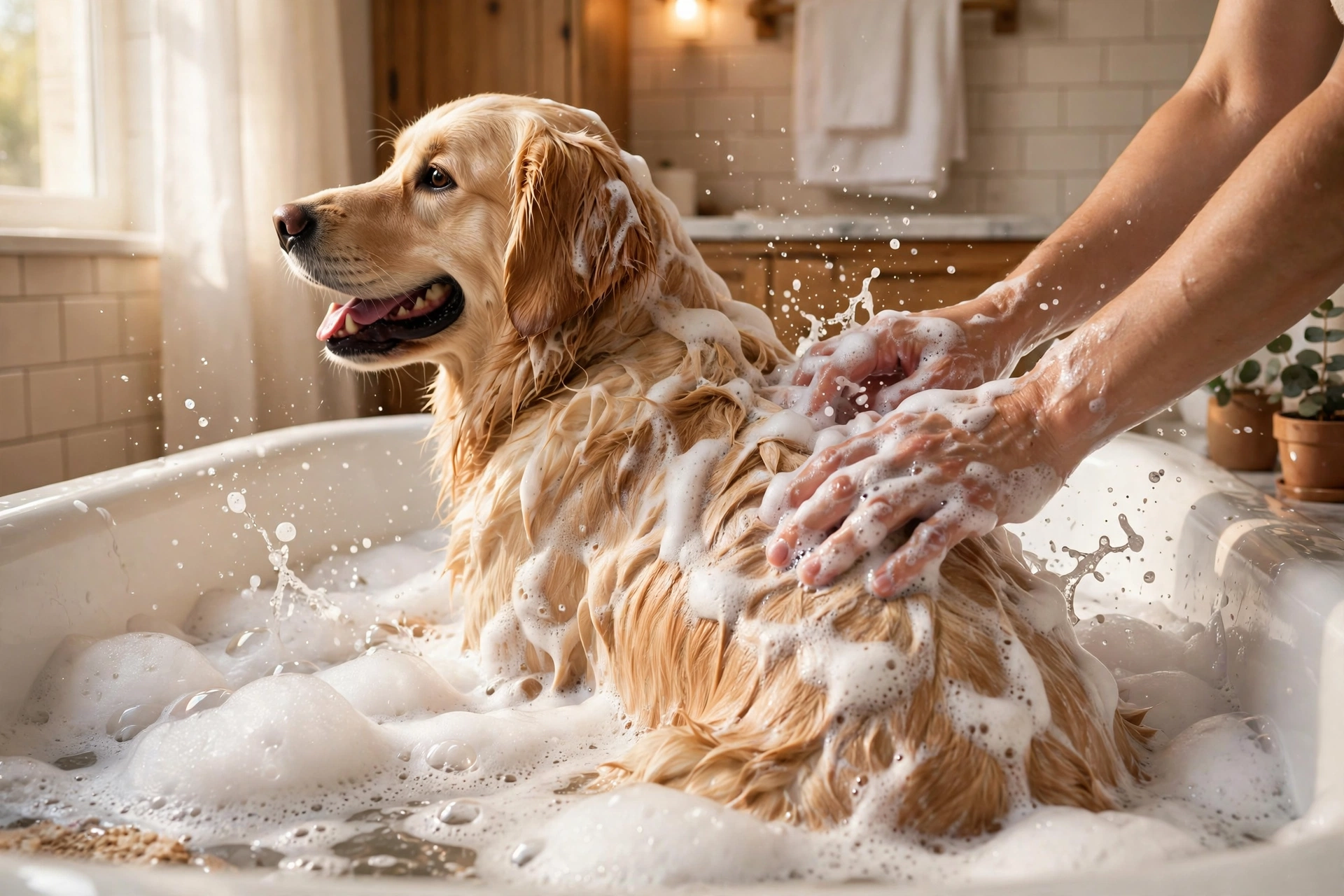
Dogs produce natural oils that keep their coat healthy, but those same oils collect dirt, dust, and bacteria over time. Most dogs only need a bath every 3–4 weeks, but active or outdoor dogs may need them more often. Using human shampoo or a low-quality pet shampoo can strip the skin’s pH balance, causing dryness, flaking, and — ironically — even more odor as the skin overproduces oil to compensate.
The fix: Bathe your dog with a pH-balanced, dog-specific deodorizing shampoo, rinse thoroughly, and never bathe more than once every couple of weeks unless your vet says otherwise. Between baths, grooming wipes keep odor down without drying the skin.
Helpful pick: Wahl USA Odor Control Shampoo (Eucalyptus & Spearmint) — a concentrated, pH-balanced formula made to neutralize stubborn coat odor, so a little goes a long way.
2. Yeast or Bacterial Skin Infection
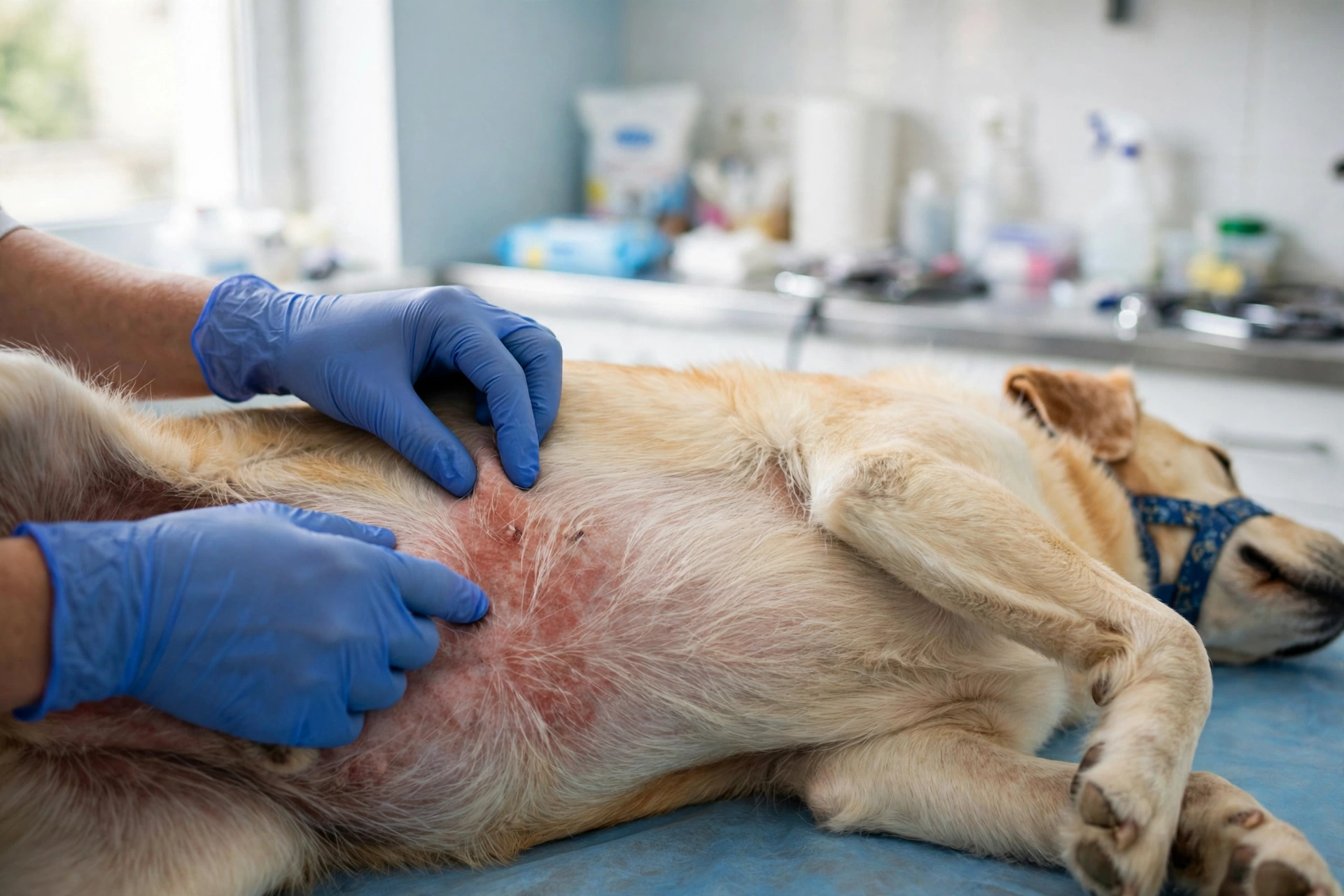
A musty, sour, or “corn chip” smell that won’t wash away is the classic calling card of a yeast or bacterial skin infection. Allergies, excess moisture in skin folds, and humid weather all let yeast and bacteria overgrow. You’ll often see itching, redness, greasy patches, or darker thickened skin alongside the smell — especially around the paws, armpits, and ears.
The fix: See your vet for a diagnosis first, since the wrong treatment can make things worse. Vets typically prescribe medicated baths with an antiseptic/antifungal shampoo (used 1–2 times weekly until the skin clears) alongside treatment for the underlying allergy.
Helpful pick: Veterinary Formula Clinical Care Antiseptic & Antifungal Shampoo — a vet-recommended medicated formula that supports your dog’s skin-care routine between vet visits.
3. Ear Infection
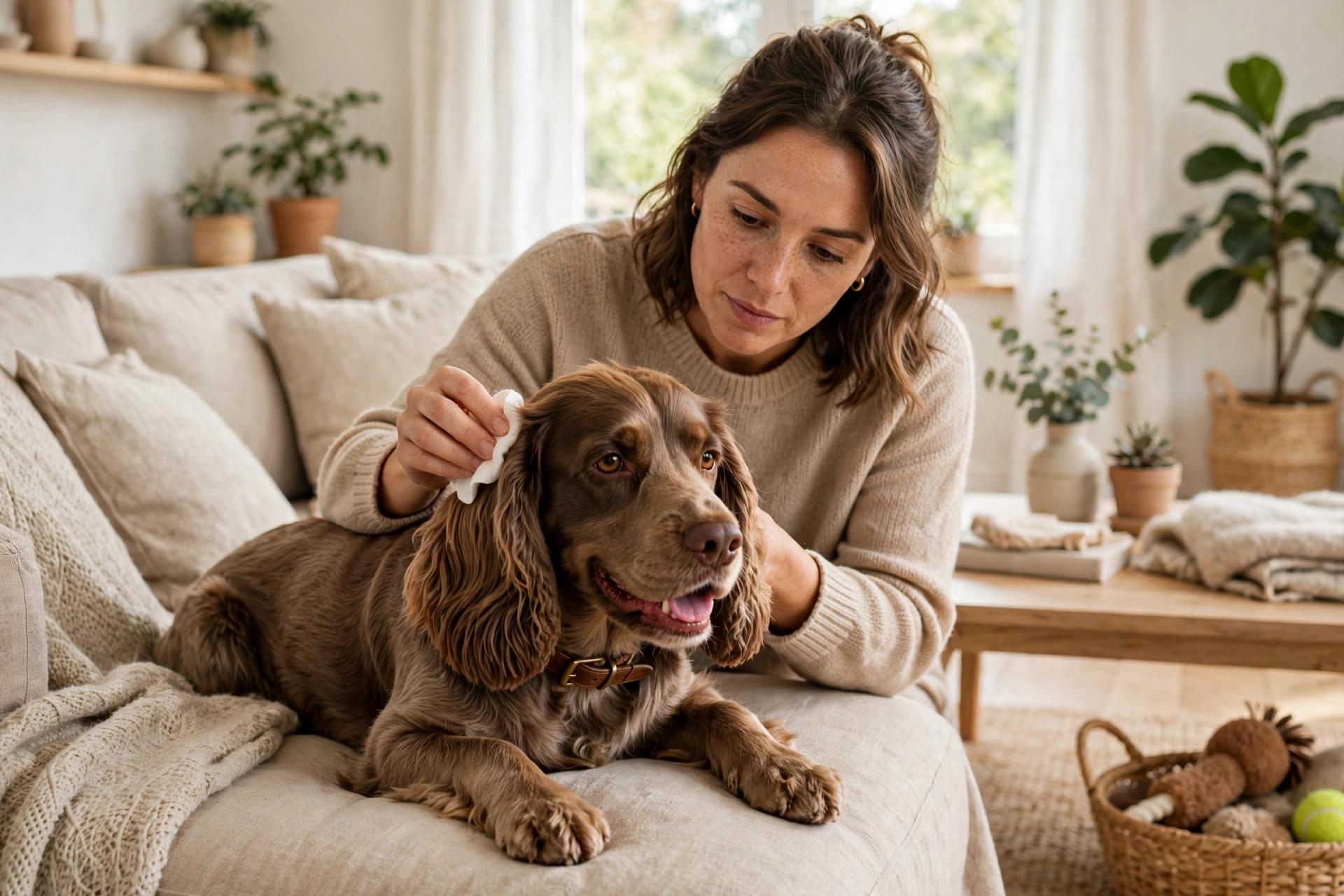
Sometimes the smell isn’t the coat at all — it’s the ears. Yeast and bacteria thrive in warm, moist ear canals, especially in floppy-eared breeds, and the result is a strong sour or yeasty odor that seems to follow your dog around. Head shaking, ear scratching, redness, or dark discharge are the usual companions.
The fix: Have your vet confirm whether it’s yeast or bacteria, then clean the ears with a vet-approved ear cleanser as directed. Weekly maintenance cleaning helps prevent repeat infections in prone dogs.
Helpful pick: Zymox Otic Pet Ear Treatment — an enzymatic formula that helps keep ear canals clean and fresh as part of regular ear care.
4. Dental Disease and Bad Breath
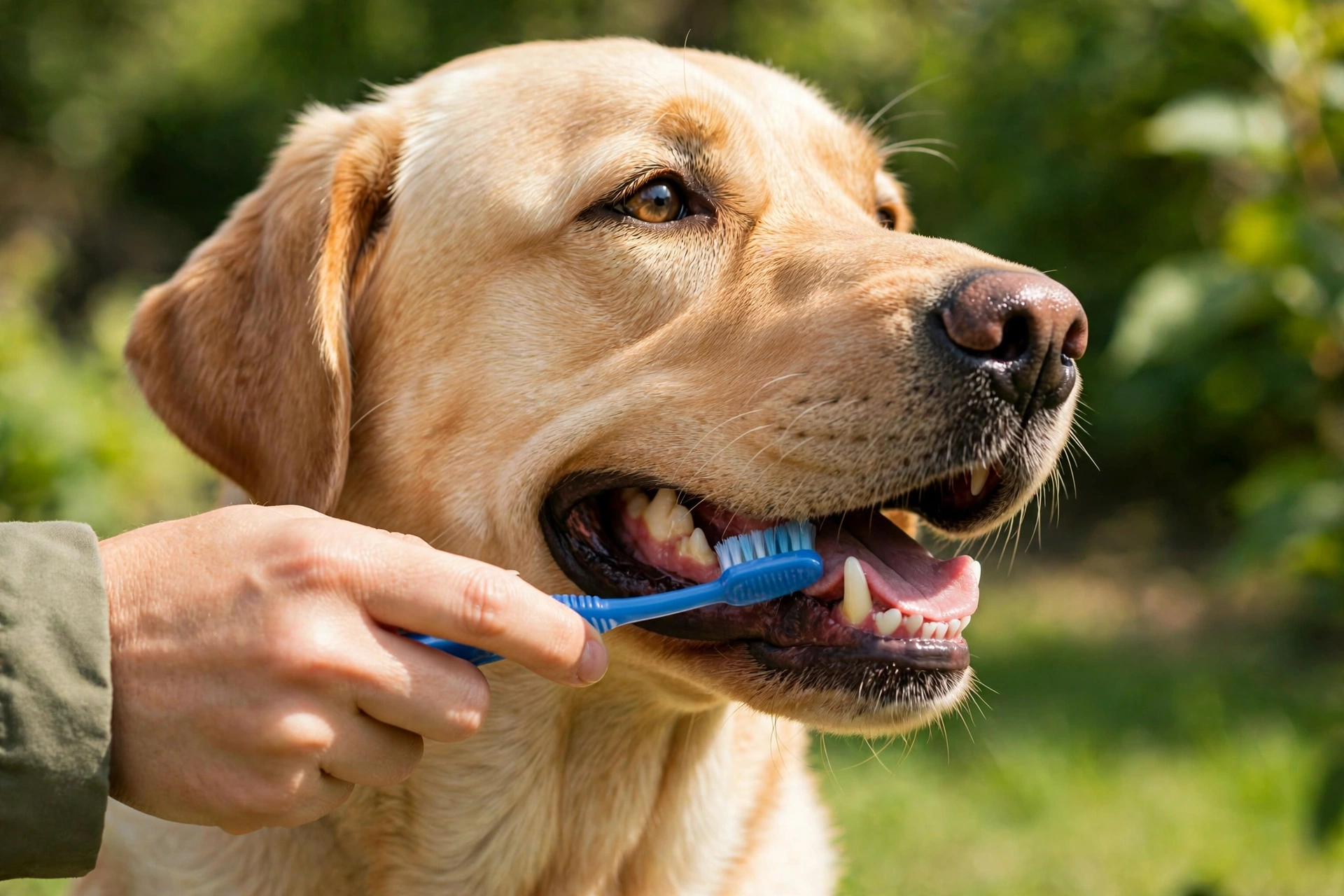
If your dog smells fine until he yawns in your face, check his mouth. Dental disease affects the majority of dogs over age three, and the bacterial buildup on teeth and gums produces a distinctly rotten smell. Red or bleeding gums, yellow-brown tartar, and reluctance to chew hard treats are warning signs.
The fix: Brush your dog’s teeth daily with a dog-safe toothpaste, offer dental chews, and schedule professional cleanings as your vet recommends. Persistent bad breath always deserves a vet check — it’s not “just dog breath.”
Helpful pick: Greenies Teenie Dental Dog Treats — a tasty daily chew that helps fight plaque and tartar to support fresher breath.
5. Full or Impacted Anal Glands
A strong, fishy odor — often paired with scooting, licking the rear, or a smelly spot on the couch — usually points to the anal glands. These small sacs release a pungent marking fluid, and when they become too full or impacted, the smell leaks out. Fiber-rich diets help them express naturally during bowel movements.
The fix: Have the glands expressed by your vet or groomer — don’t attempt this at home unless you’ve been trained. Keep your dog’s rear clean with gentle pet wipes between visits, and ask your vet whether a diet adjustment could help.
Helpful pick: earthbath Hypo-Allergenic Grooming Wipes — gentle, fragrance-free wipes that freshen up paws, coat, and rear between baths.
6. Wet Dog + Damp Environment
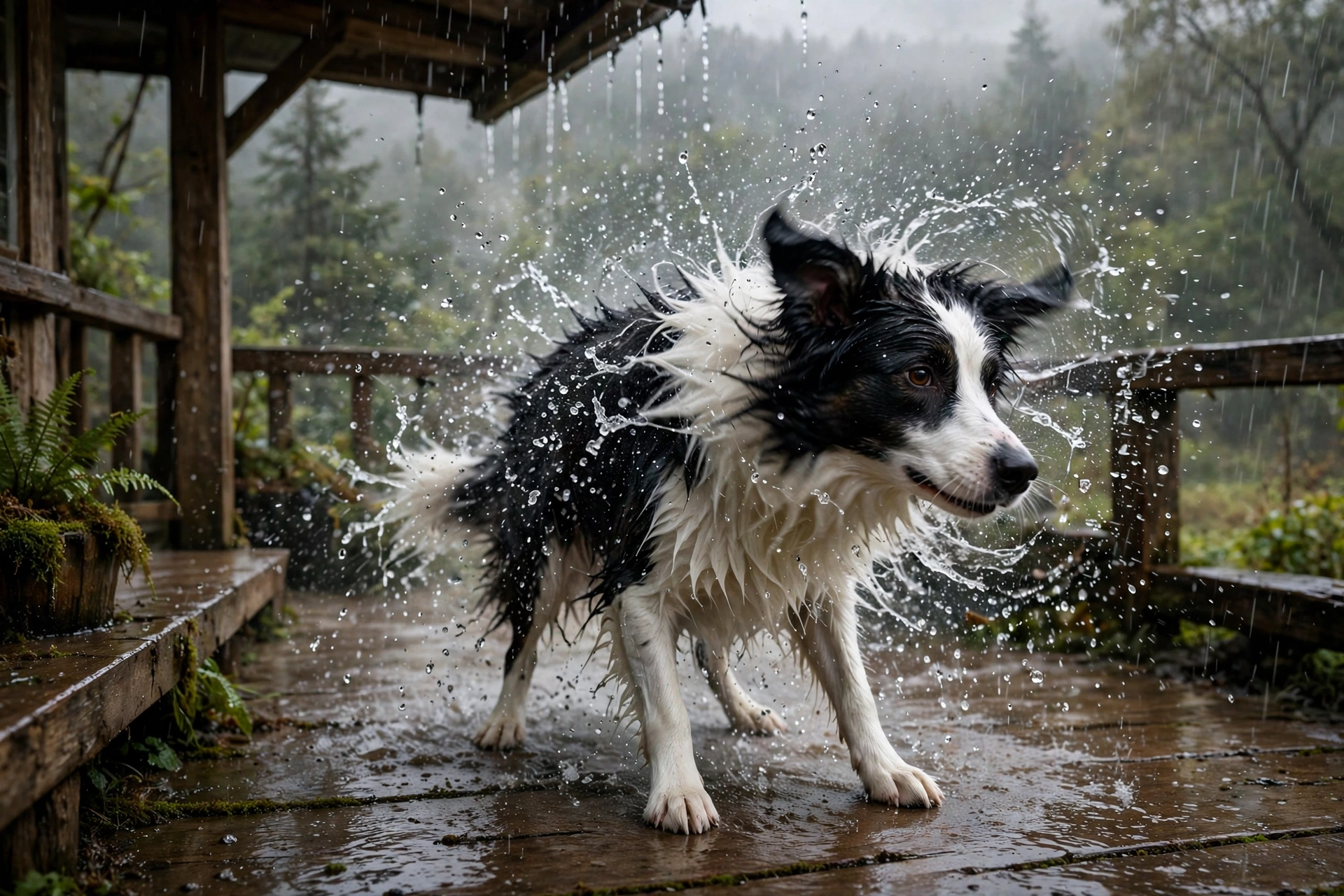
That infamous “wet dog smell” comes from natural bacteria and yeast living on your dog’s skin and coat — water releases their volatile compounds all at once, making the scent dramatically stronger. If your dog stays damp afterward (under a thick coat, in skin folds, or on a humid day), moisture fuels bacterial overgrowth and the smell lingers.
The fix: Always dry your dog thoroughly after baths, swims, and rainy walks — towel-dry first, then use a low-heat dryer for thick coats. Wash bedding regularly, and keep your home well-ventilated to prevent damp, musty conditions.
Helpful pick: Soggy Doggy Super Shammy — an ultra-absorbent microfiber towel that dries your dog in minutes so dampness never turns into odor.
7. Diet, Gas, and Digestive Issues
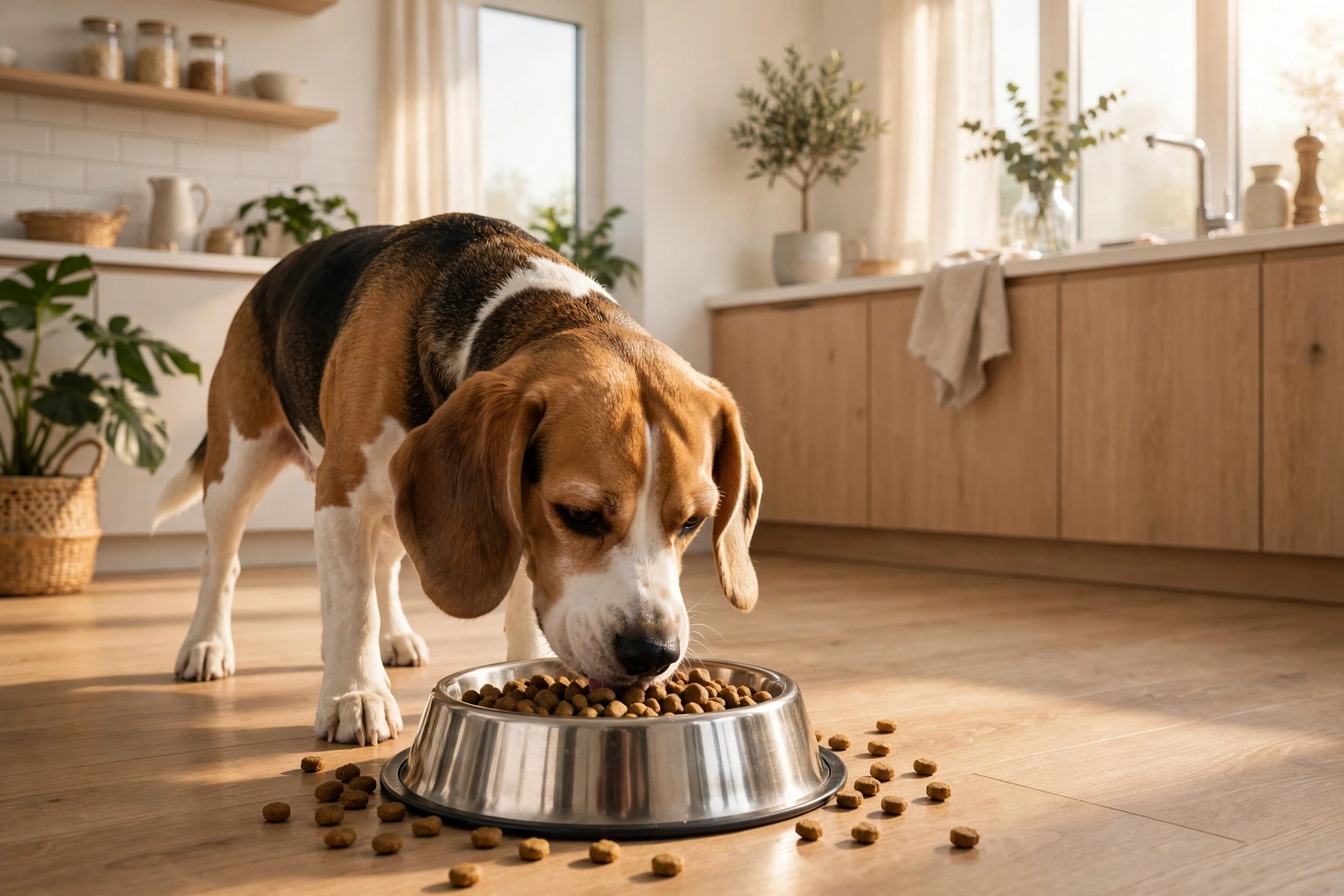
What goes in affects what comes out — and sometimes what radiates off the coat. Low-quality or poorly suited diets can cause greasy skin, excess flatulence, and a generally “off” smell. Food sensitivities may also trigger itching and skin inflammation, which brings its own odor problems.
The fix: Feed a high-quality, well-suited diet and transition gradually if you switch foods. A daily probiotic can support healthy digestion and reduce gas; if the smell comes with itching or a greasy coat, talk to your vet about an allergy workup.
Helpful pick: Purina Pro Plan Veterinary Supplements FortiFlora Probiotic — supports digestive health, which can mean less gas and a happier gut overall.
8. Rolling in Something Smelly
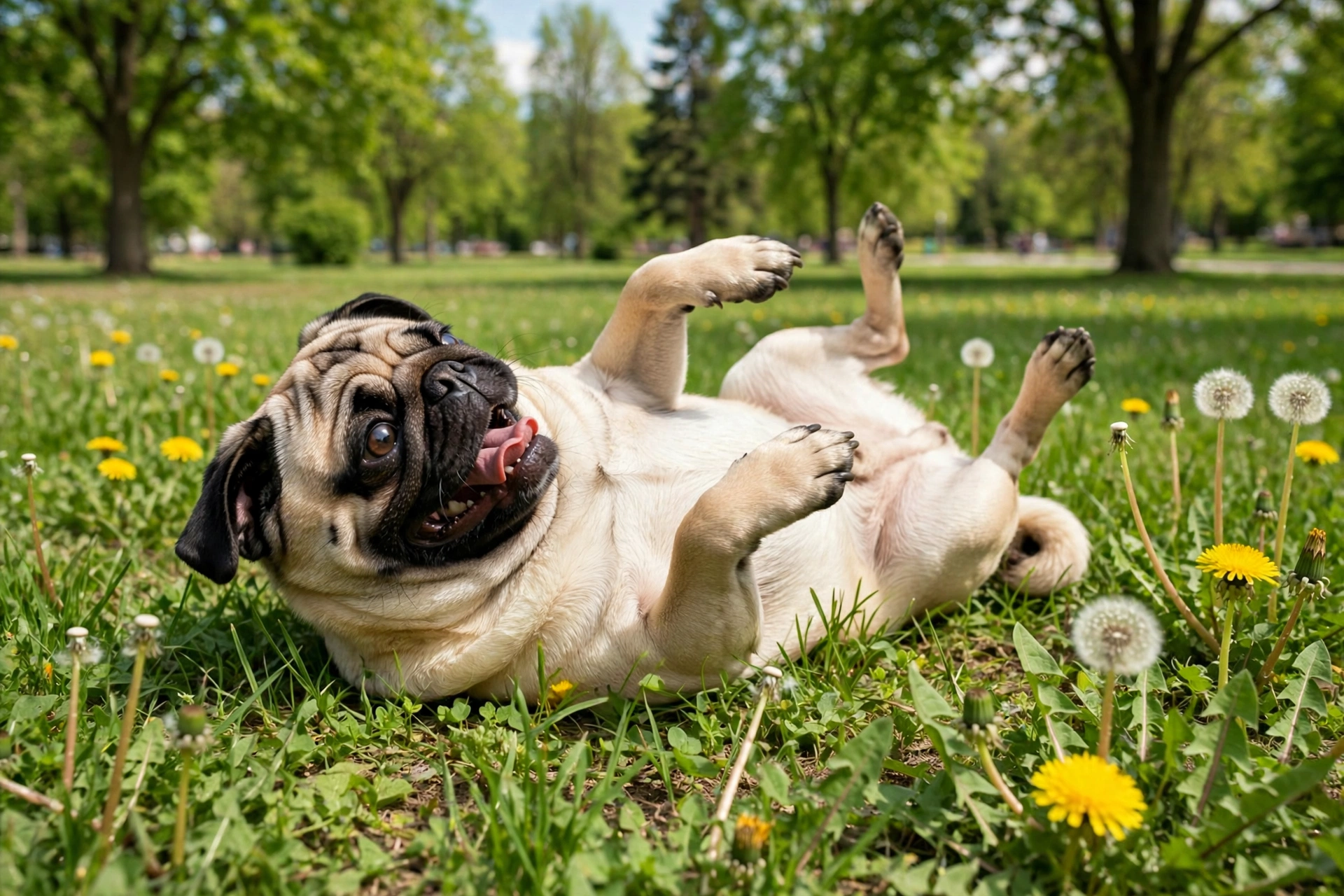
Dogs roll in foul-smelling things — manure, dead critters, garbage — because to them it smells like perfume. It’s instinct, not misbehavior, and no amount of training fully erases it. The result is an intense, unmistakable stench that a normal bath sometimes can’t conquer.
The fix: Bathe with a strong deodorizing shampoo right away, rinse twice, and dry fully. Then tackle the house: enzymatic cleaners break down the odor molecules that linger in bedding, the car, and the couch — ordinary cleaners just mask them.
Helpful pick: Nature’s Miracle Advanced Stain & Odor Eliminator Spray — an enzymatic formula that destroys lingering pet odors on carpets, bedding, and furniture instead of covering them up.
When Smell Means a Vet Visit
A little everyday dog smell is normal, but some odors are health signals. Book a vet appointment if you notice a sudden strong smell that wasn’t there before, an odor that returns within a day or two of bathing, smell coming mainly from the ears, mouth, or rear, or odor paired with itching, redness, discharge, appetite changes, or lethargy. Your nose is often the first tool that tells you your dog needs help.
How to Keep Your Dog (and House) Smelling Fresh
- Bathe on schedule — every 3–4 weeks for most dogs with a dog-specific shampoo; never over-bathe.
- Dry completely — towel and low-heat blow-dry after every bath, swim, or rainy walk.
- Wipe between baths — grooming wipes handle paws, coat, and rear odor daily.
- Clean the ears weekly — especially for floppy-eared and allergy-prone dogs.
- Brush those teeth — daily brushing plus dental chews keeps breath in check.
- Wash bedding weekly — dog beds, blankets, and crate pads trap odor fast.
- Feed well — a quality diet suited to your dog supports healthy skin, coat, and digestion.
- For more grooming guidance, see our guides on DIY dog shampoo for itchy skin, how to clean your dog’s ears at home, and DIY dog toothpaste for bad breath.
Frequently Asked Questions
Why does my dog smell bad even after a bath?
If the smell returns quickly after bathing, the coat probably wasn’t dried fully to the skin, or the odor is coming from an untreated source like the ears, mouth, anal glands, or a skin infection. Bathing can’t fix those — dry thoroughly, and if the smell persists, have your vet check for infection.
How often should I bathe my dog?
Most dogs do well with a bath every 3–4 weeks. Over-bathing strips natural oils and can make odor worse, so use grooming wipes for freshening up between baths. Ask your vet for a schedule tailored to your dog’s coat and skin.
What does it mean if my dog smells like fish?
A strong fishy smell — usually paired with scooting or rear-licking — typically means the anal glands are full or impacted. It’s common and treatable; have your vet or groomer express them.
Why do dogs smell like corn chips?
That Fritos-like scent comes from naturally occurring bacteria (Proteus or Pseudomonas) on your dog’s paws. A little of it is normal, but a strong or spreading smell can signal a yeast or bacterial overgrowth worth checking with your vet.
Can diet change how my dog smells?
Yes. A good-quality, well-suited diet can reduce gas, greasy coat, and skin flare-ups that contribute to odor. Make diet changes gradually, and check with your vet if odor comes with itching or digestive issues.
As an Amazon Associate, PetPostHub earns from qualifying purchases.



6 Comments