Why Does My Dog Bring Me Dead Animals? 5 Reasons
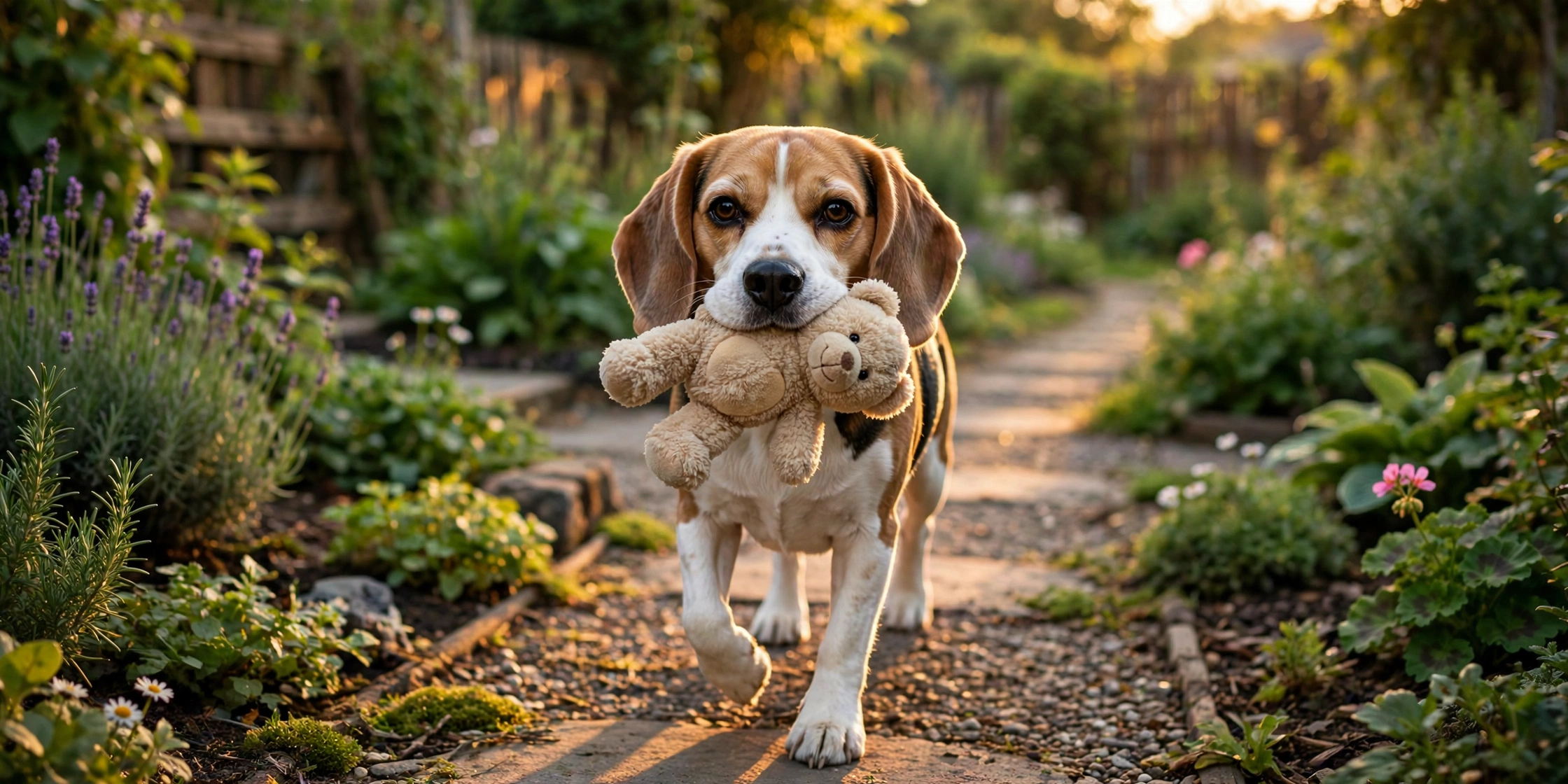
Discovering your dog proudly carrying a dead animal to your doorstep is one of those moments every dog owner both dreads and can’t quite believe. Before you react, take a breath: why does my dog bring me dead animals? The answer is rarely malice. In fact, it’s usually a compliment — a deeply instinctive one rooted in how dogs bond, hunt, and communicate.
This guide breaks down the 5 most common reasons behind this unsettling behavior, what each one really means, and exactly what to do when it happens. You’ll also learn how to safely redirect the behavior without punishing your dog for acting on centuries-old instincts.
Table of Contents
1. The Hunting Instinct: A Gift From the Hunt

What it means: Dogs are predators at heart, and the chase-grab-carry sequence is hardwired into them. When your dog catches something, the instinctive next step is to bring the “prize” back to a safe place — and to you, their favorite person. Think of it the way a retriever was bred to return birds to a hunter: your dog is doing exactly what their ancestors were selected to do.
What to do: Don’t scold the instinct itself — instead, channel it. Give your dog an appropriate outlet for that grab-and-carry drive through structured play. A flirt pole mimics the chase in a controlled way and lets your dog satisfy the sequence safely.
Helpful pick: YILAKO Flirt Pole for Dogs — gives your dog a thrilling, legal chase target so they burn that prey-drive energy on a toy instead of wildlife.
2. Providing for the Pack: You’re Family

What it means: Dogs descended from wolves, and in wild canid packs, members bring food back to the group — especially to the den. When your dog drops a dead animal at your feet, they may literally be feeding you. As far as they’re concerned, you’re part of their pack, and sharing food is one of the highest forms of social bonding in their world.
What to do: Recognize the intention without rewarding the outcome. Stay calm, trade the item for something better (a high-value treat works wonders), and dispose of the animal with gloves. Then make sure your dog’s diet is complete and satisfying — a well-fed dog hunts for fun less frantically than one scavenging for nutrients.
Helpful pick: Chuckit! Treat Tote — keeps high-value training treats within arm’s reach so you can always make a clean, calm trade when your dog brings you something you don’t want.
3. Showing Off: Look What I Can Do

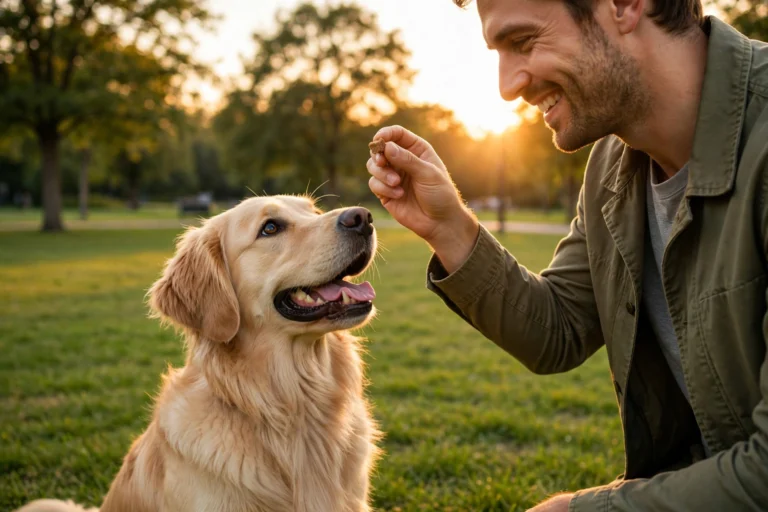
What it means: Sometimes it’s simply pride. Your dog has done something difficult and impressive (at least by dog standards), and they want you to know about it. Many owners notice their dog parades the prize around first — tail wagging, body loose and happy — before delivering it. That’s a dog showing off their skills and seeking your approval.
What to do: You don’t have to praise the dead animal, but you can redirect the need for validation. Practice a solid “leave it” and “drop it” so you can calmly claim the item, then celebrate your dog with praise and a treat for the release. You’re teaching them that cooperating with you earns even better rewards.
Helpful pick: LupinePet Basics 30-Foot Training Leash — gives you safe control during outdoor training while you proof “leave it” around real wildlife distractions.
4. Teaching You to Hunt: You’re a Hopeless Pup
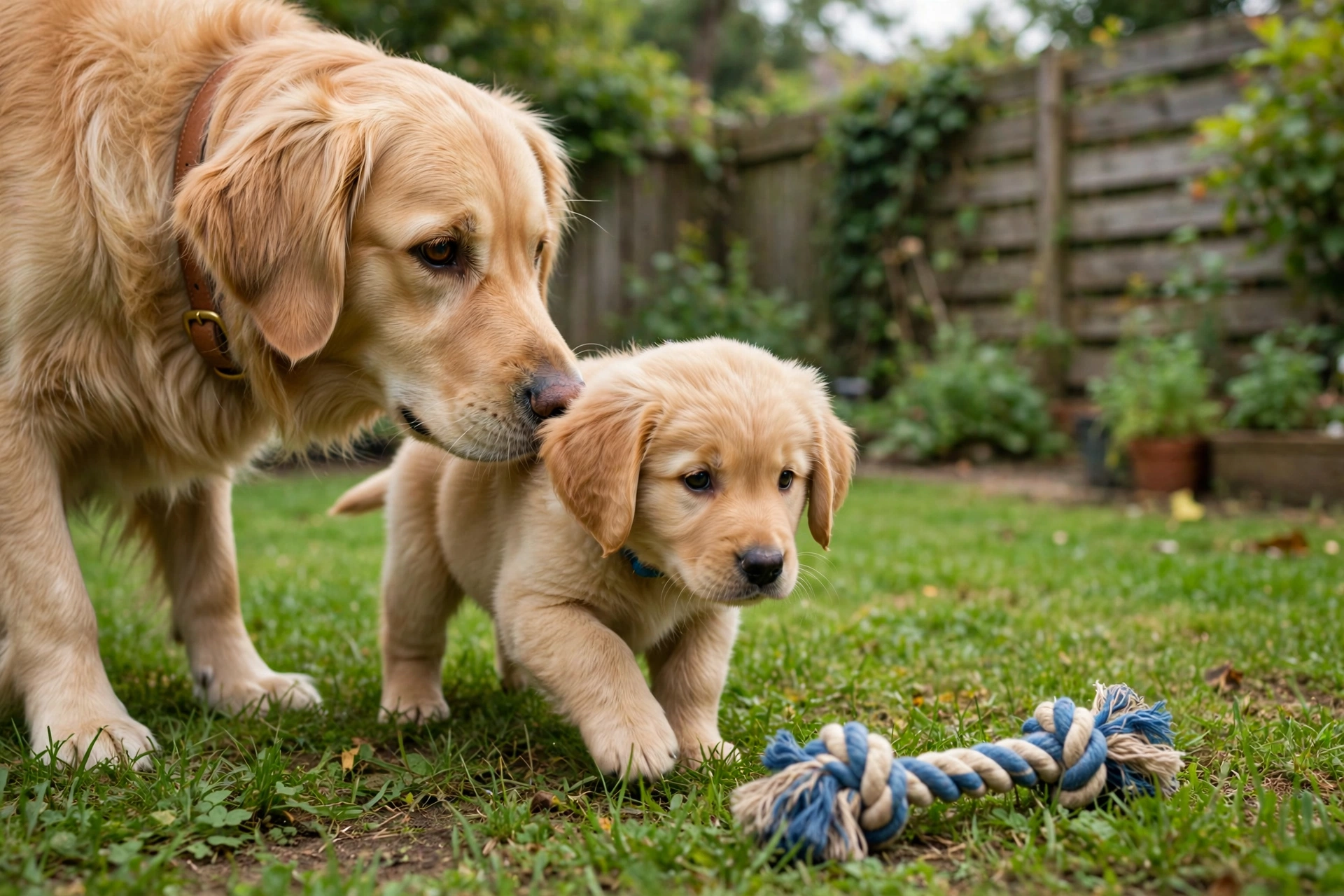
What it means: This one is equal parts touching and funny. Some animal behaviorists note that mother dogs bring prey to their puppies to teach them what to eat. When your adult dog brings you dead animals, they may genuinely think you can’t hunt — after all, you’ve never once caught anything in front of them. It’s maternal instinct pointed at a very clumsy human pup.
What to do: Take it as the compliment it is and quietly manage the behavior. Supervise outdoor time more closely, especially at dawn and dusk when wildlife is active, and redirect your dog to an interactive game the moment their nose goes to the ground in hunting mode.
Helpful pick: Outward Hound Dog Tornado Puzzle Toy — engages your dog’s foraging brain indoors, so the “hunt” happens in a safe, toy-based way.
5. Boredom: Anything for a Reaction

What it means: Let’s be honest — nothing gets a bigger human reaction than a dead animal on the doormat. Dogs are masters of learning which behaviors produce drama. If your dog has figured out that bringing wildlife earns screams, chases, and undivided attention, they may keep doing it simply because it works. Under-exercised, understimulated dogs are the most likely to invent their own entertainment.
What to do: The fix here is enrichment, not discipline. Add more physical exercise and mental work to your dog’s day — long walks, training games, puzzle feeders, sniffy outings. A tired, mentally satisfied dog is far less motivated to stage wildlife theater for your reaction.
Helpful pick: Earth Rated Dog Poop Bags (270 Count) — when you’re out on those longer enrichment walks, sturdy, leak-proof bags make cleanup one less thing to think about.
How to Stop It Safely
First rule: never punish your dog for this. Yelling or scolding will only confuse a dog that believes they just did something wonderful for you — and it can make them hide future “gifts” where you won’t find them until the smell does.
Instead, try this calm protocol:
- Trade, don’t chase. Offer a high-value treat in exchange for the drop. Chasing your dog turns it into a thrilling game of keep-away.
- Train “leave it” and “drop it” as core skills. Practice with toys first, then proof them outdoors around real distractions using a long line. Our guide on teaching a reliable recall pairs perfectly with this.
- Manage the environment. Supervise yard time, walk on leash in wildlife-heavy areas, and secure fencing gaps where prey animals wander in.
- Redirect the prey drive. Flirt poles, fetch, and scent games give the hunting sequence a legal outlet.
- Talk to your vet. Dead wildlife can carry parasites, bacteria, and diseases — and some animals (like toads or certain rodents) may be toxic. Make sure your dog is current on parasite prevention, and call your vet if your dog eats any part of a wild animal. For more on reducing risky chasing overall, see our guide to stopping prey-chasing behavior.
Frequently Asked Questions
Is it normal for my dog to bring me dead animals?
Yes. It’s a natural, instinctive behavior seen in many dogs — especially sporting, terrier, and herding breeds with strong prey or retrieval drives. It’s normal, but it’s still worth managing for your dog’s health and local wildlife.
Should I punish my dog for bringing dead animals?
No. Punishment after the fact doesn’t teach anything and can make your dog anxious or secretive. Redirect, trade, and train instead.
Can dead animals make my dog sick?
They can. Wildlife may carry parasites like worms, bacteria, or diseases, and some animals are toxic if chewed or eaten. Keep parasite prevention current and contact your vet if your dog ingests any part of one.
Why does my dog bring dead animals inside the house?
Your dog may see indoors as the safest, most central “den” — the place where the pack gathers. They’re delivering their prize to the heart of the pack, which happens to be your living room.
Will spaying or neutering stop this behavior?
Probably not on its own. Bringing prey is driven by instinct, not hormones. Training and enrichment are the effective tools.
Keep Reading
- Dog Body Language Guide: What Your Dog Is Really Telling You
- Why Does My Dog Squeak His Toys? 6 Reasons
- How to Keep Your Dog Entertained While You’re at Work
As an Amazon Associate, PetPostHub earns from qualifying purchases.