Cavalier King Charles Spaniel Longevity: 8 Tips for a Longer Life
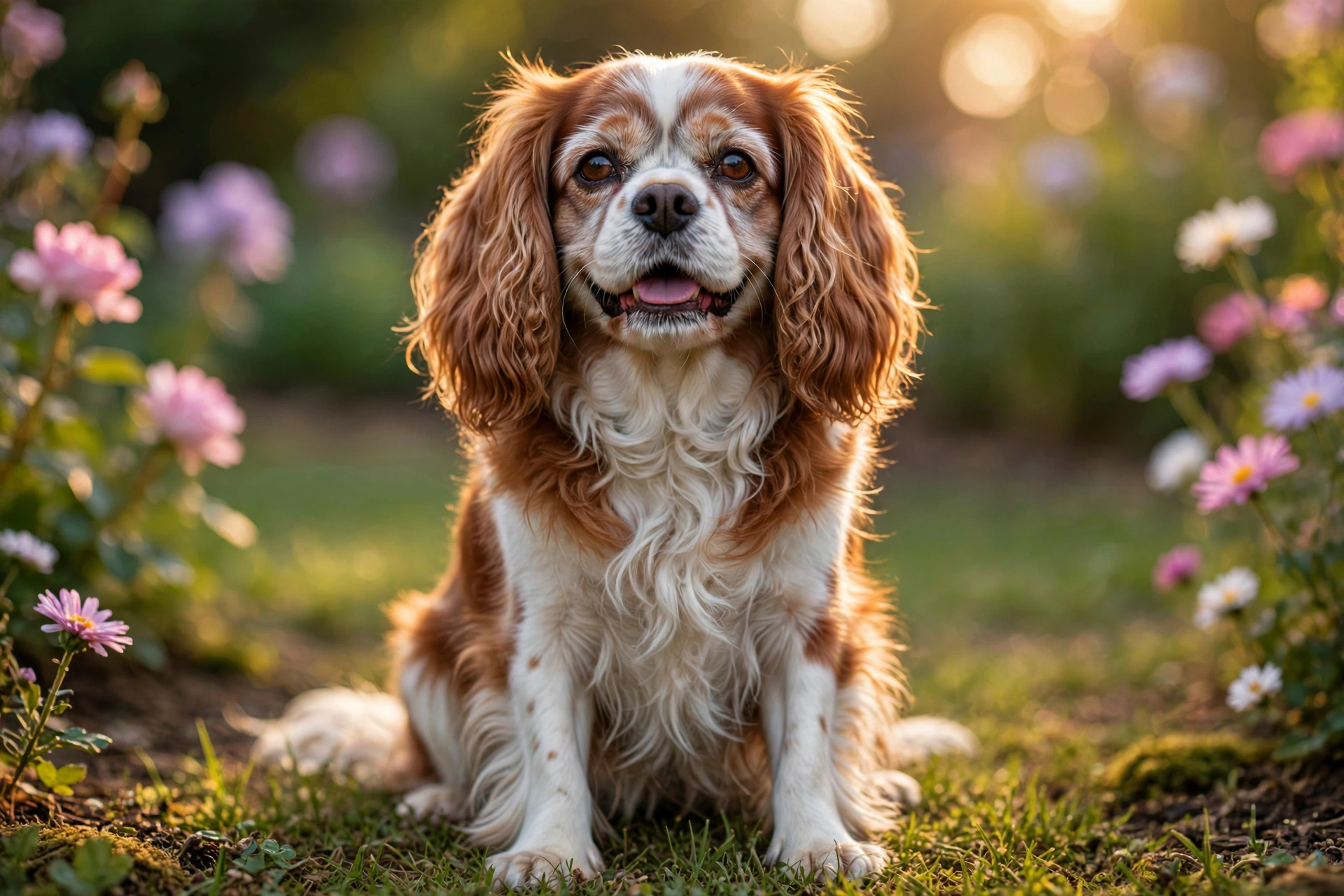
Cavaliers are famous for their big hearts — in every sense of the word. If you want your Cavalier King Charles Spaniel by your side for as many birthdays as possible, these cavalier longevity tips are the place to start. Most Cavaliers live somewhere between 9 and 14 years, and while genetics sets the range, your everyday choices shape where inside that range your dog lands.
The good news is that nothing on this list is exotic or expensive. It is the ordinary stuff — what they eat, how they move, how often they see the vet, and how loved they feel — that adds up to extra years. Here are eight science-backed habits that give your Cavalier the best shot at a long, happy life.
Table of Contents
- 1. Protect Their Heart — the #1 Longevity Factor
- 2. Feed Quality Food and Keep Them Lean
- 3. Schedule Regular Vet and Cardiac Checkups
- 4. Give Them Daily Moderate Exercise
- 5. Stay on Top of Dental Care
- 6. Keep Their Mind Engaged
- 7. Stay Current on Preventive Care
- 8. Create a Stress-Free, Loving Home
- Frequently Asked Questions
- Keep Reading
1. Protect Their Heart — the #1 Longevity Factor
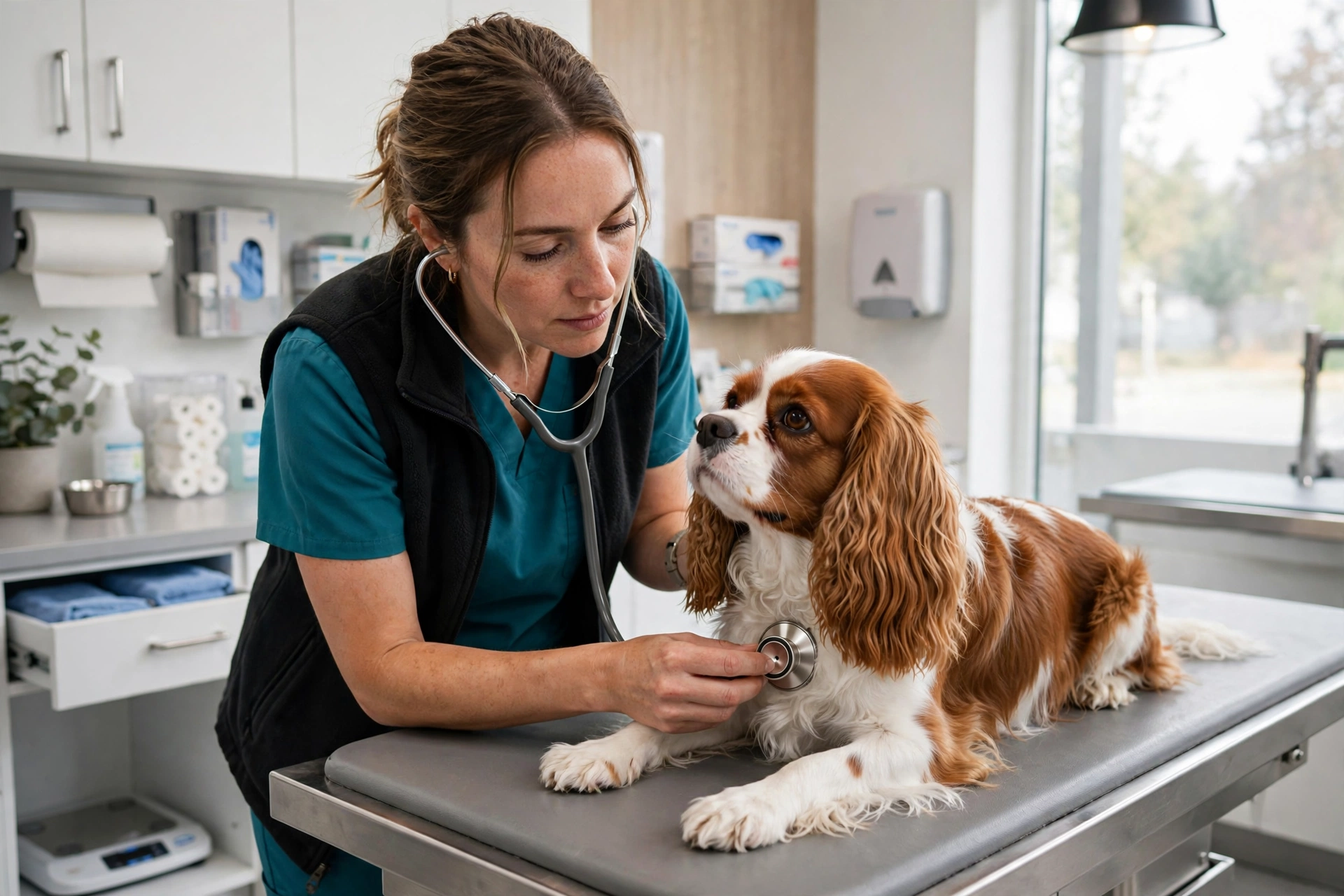
No cavalier longevity conversation can skip heart health. Mitral valve disease, or MVD, is by far the most common serious health issue in this breed, and it is the top reason Cavaliers lose years off their lifespan. The valve between the heart’s chambers slowly thickens and leaks, and over time the heart has to work harder to do its job.
What can you do? First, never skip an annual cardiac listen. Many vets can hear the early murmur of MVD long before symptoms appear, and early management — which may include monitoring, medication, and lifestyle adjustments — can slow the disease’s progress significantly. Second, keep sodium intake moderate and avoid feeding salty table scraps. Third, talk to your vet about nutrients that support heart function, such as taurine and L-carnitine, before adding any supplement on your own.
Helpful pick: Zesty Paws Cardiovascular Support Bites — a heart-focused chew formulated to support normal cardiovascular function in dogs.
2. Feed Quality Food and Keep Them Lean
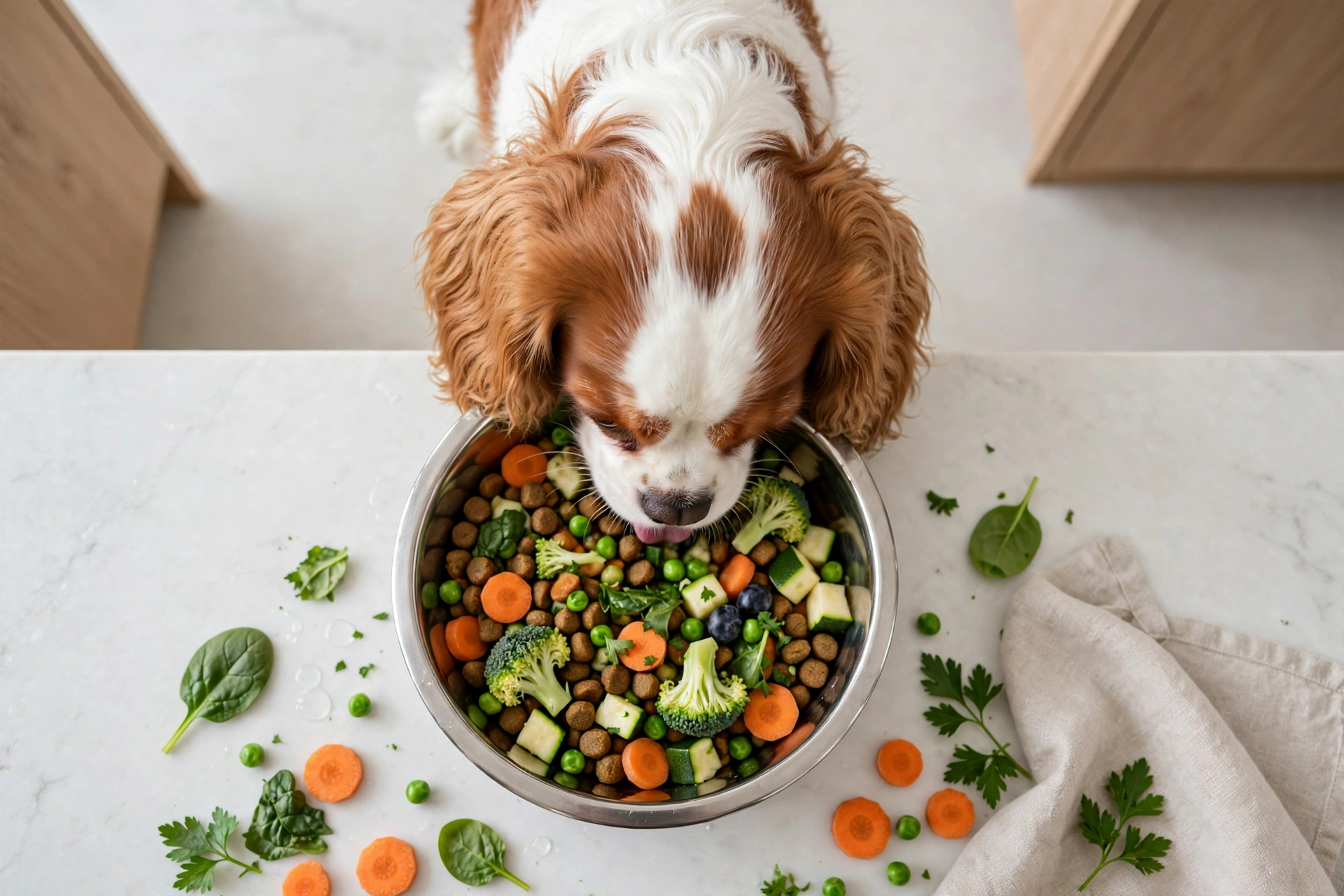
Keeping weight in check matters more than most owners realize. Obesity strains the heart, stresses joints, and raises diabetes risk — and across breeds, dogs kept at a lean weight live measurably longer than overweight ones.
Choose a complete, balanced diet with quality ingredients — real named proteins, healthy carbohydrates, and omega-3 fatty acids, which support heart and brain health. Measure every meal, keep treats under 10% of daily calories, and weigh your dog monthly so creeping pounds don’t surprise you.
Helpful pick: Zesty Paws Wild Alaskan Salmon Oil — an omega-rich supplement that supports skin, coat, heart, and joint health.
3. Schedule Regular Vet and Cardiac Checkups
Annual vet visits are non-negotiable for a breed with Cavaliers’ health profile. A thorough yearly exam catches weight changes, early murmurs, eye changes, and skin issues while they are still easy to manage. Once your Cavalier reaches 6 or 7, ask your vet about a baseline cardiac ultrasound — echocardiograms track valve changes over time and show exactly when medication or closer monitoring is warranted.
Between visits, keep a simple health log: appetite, coughing, exercise tolerance, and water intake. Cavaliers are stoic little dogs, and subtle changes are often the first signal of something bigger.
Helpful pick: PetMedics Non-Contact Pet Thermometer — a quick, stress-free way to check for fever at home between vet visits.
4. Give Them Daily Moderate Exercise
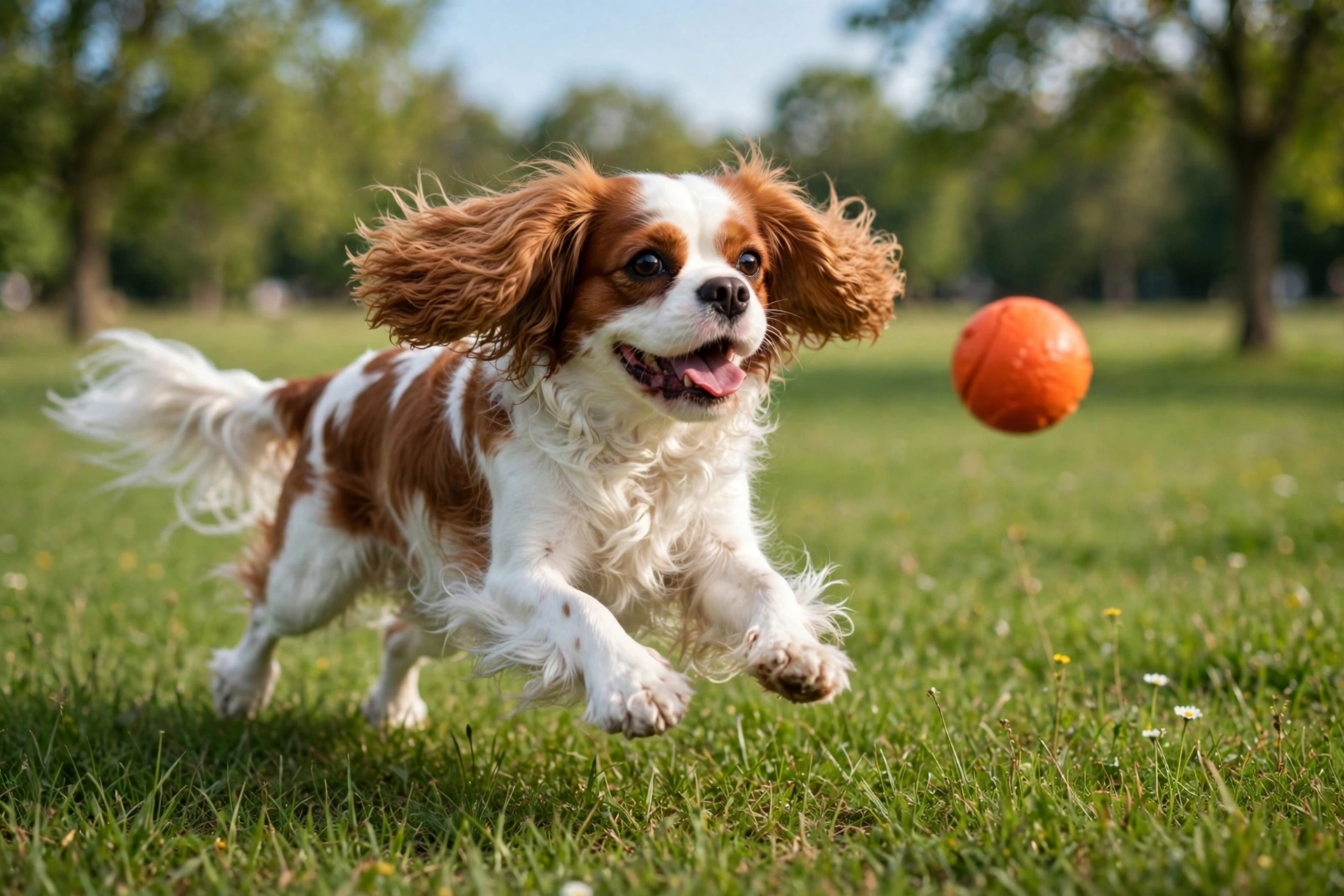
Cavaliers are not marathon runners, but they are sporting dogs at heart — and regular, moderate exercise is one of the most powerful longevity tools there is. Aim for 30 to 45 minutes of activity a day: a walk plus some play. Exercise supports heart and lung function, builds muscle that protects aging joints, and burns off the nervous energy behind destructive behavior.
The key word is moderate. On hot days, walk early or late, because Cavaliers overheat more easily than their enthusiasm suggests. Watch for lagging behind, heavy panting, or coughing — signs to stop, rest, and mention at the next vet visit.
Helpful pick: Chuckit! Ultra Ball — a durable, high-bounce fetch ball that makes daily play sessions irresistible.
5. Stay on Top of Dental Care
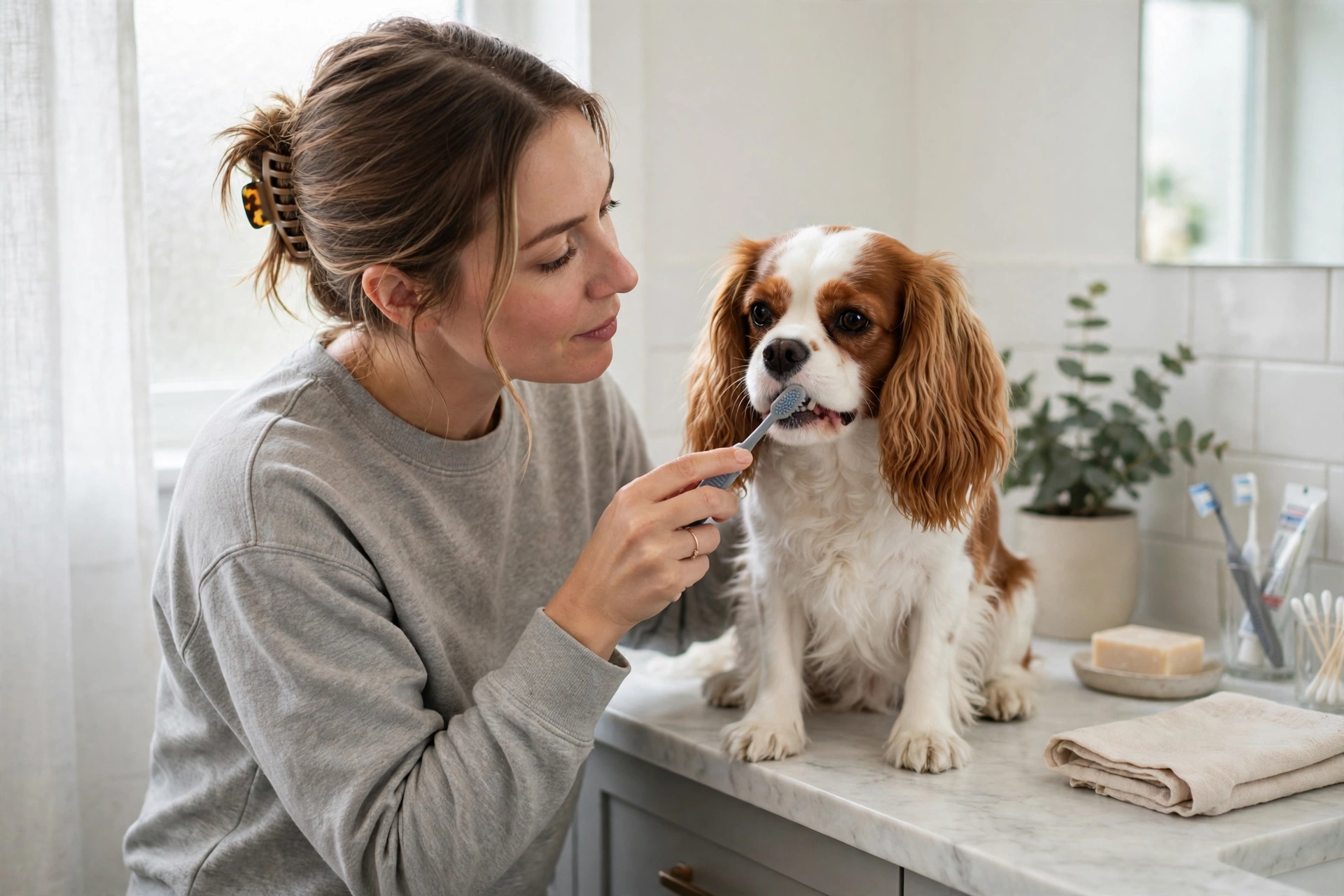
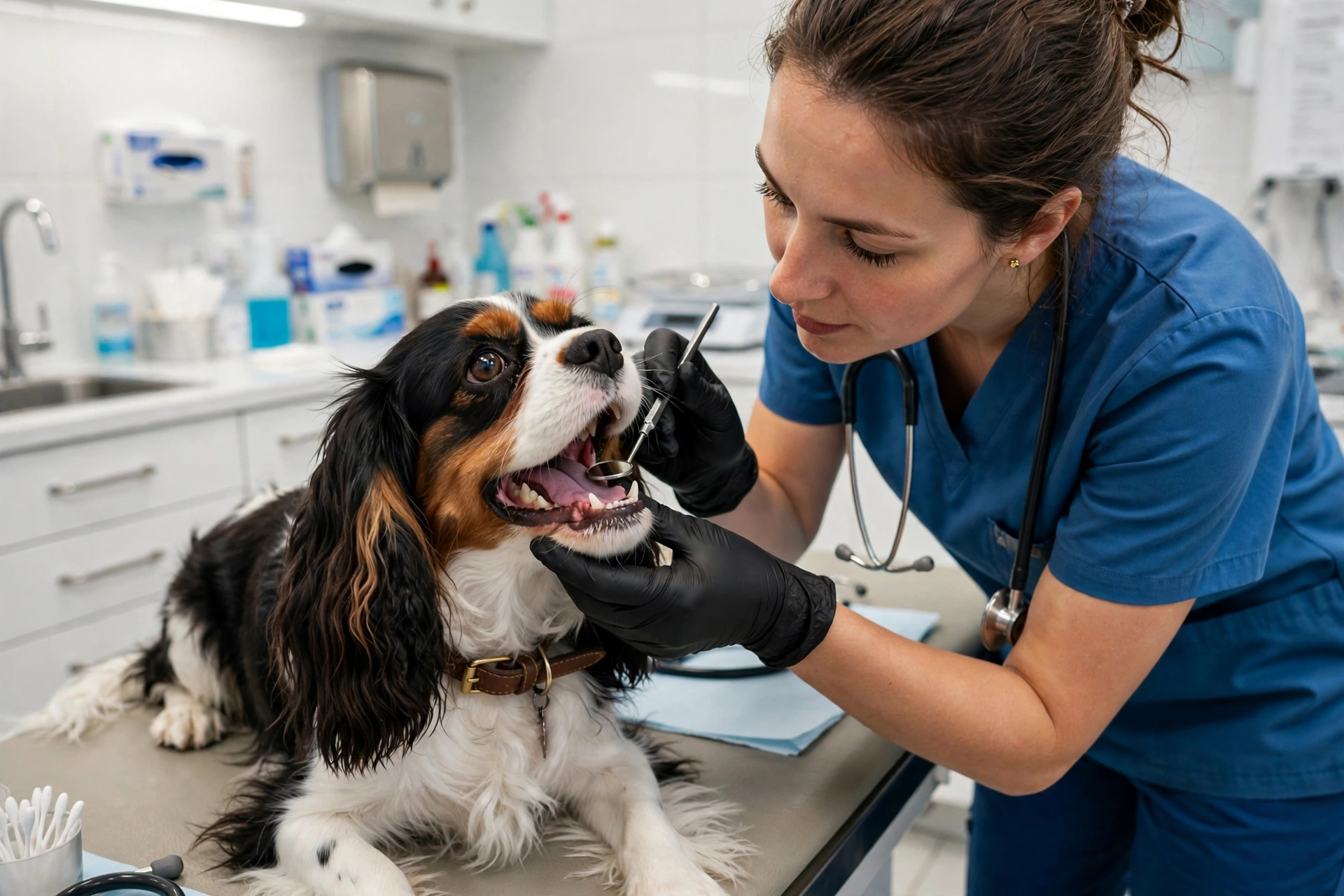
Dental disease is one of the most overlooked threats to a dog’s lifespan. Bacteria from infected gums can enter the bloodstream and tax the heart, kidneys, and liver — organs you especially want to protect in a Cavalier. Small breeds are prone to crowded teeth and tartar buildup, so dental care deserves a permanent spot in your routine.
Brush several times a week with a canine toothpaste, offer dental chews that help reduce plaque, and schedule professional cleanings as your vet recommends. Red or bleeding gums, worsening bad breath, or dropping food while eating all warrant a sooner dental check.
Helpful pick: Greenies Teenie Dental Dog Treats — vet-recommended chews designed to help clean teeth and freshen breath.
6. Keep Their Mind Engaged
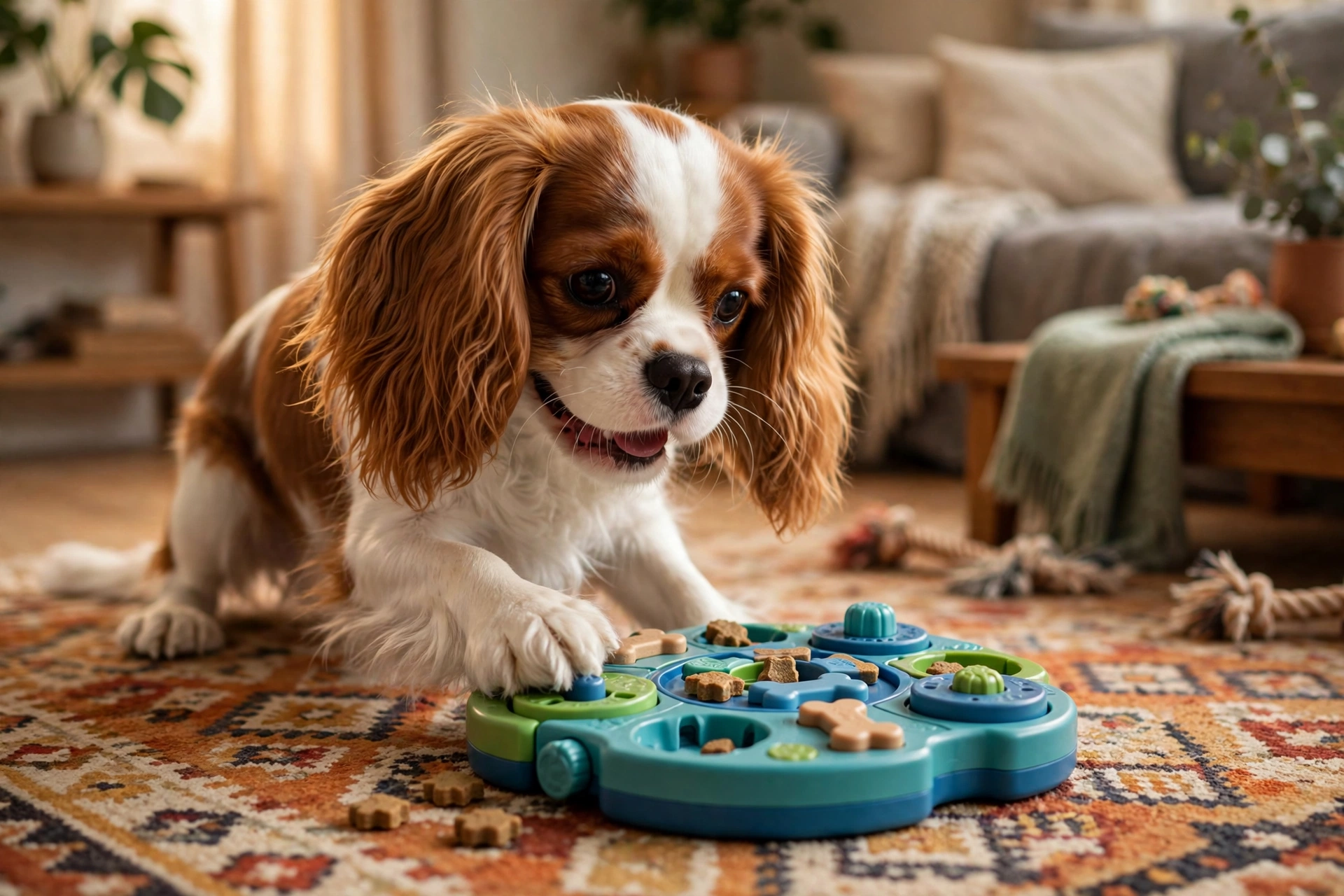
A bored Cavalier is a stressed Cavalier — and chronic stress takes a measurable toll on immune function and overall health. Mental enrichment keeps the brain sharp, which matters more with every passing year, since cognitive decline is a real concern in senior dogs.
Rotate puzzle toys so they stay novel, teach a new trick every month or two, and vary your walking routes so every outing brings new smells. Short, positive training sessions — five minutes, a few times a week — do more for a dog’s mental fitness than most owners realize.
Helpful pick: Outward Hound Dog Brick Puzzle — an interactive puzzle toy that challenges your Cavalier’s problem-solving skills.
7. Stay Current on Preventive Care
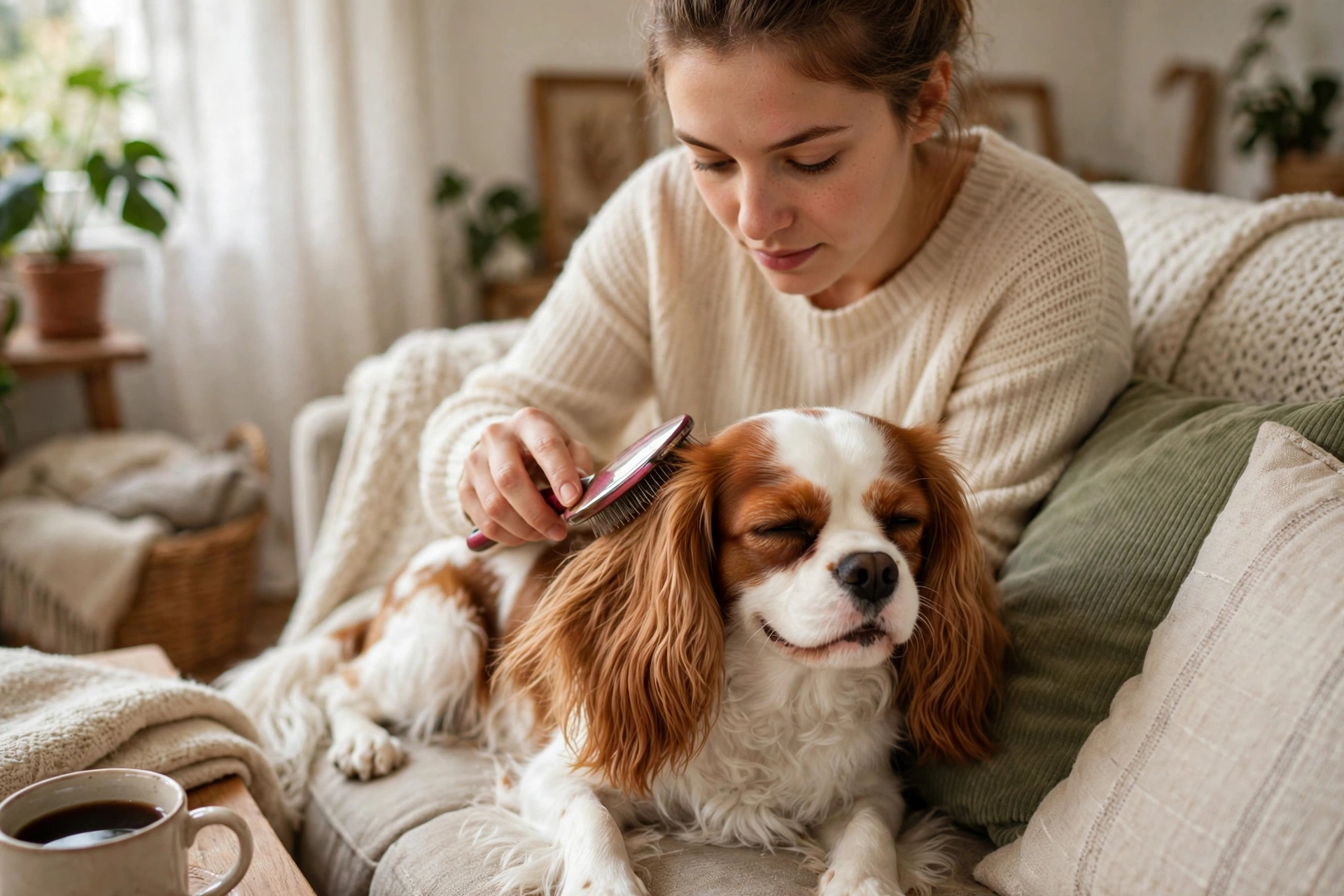
Preventive care is the quiet hero of longevity: vaccinations, parasite prevention, and spaying or neutering at the right age. Year-round flea, tick, and heartworm prevention matters too — heartworm treatment is especially risky for a breed already vulnerable to heart disease.
Ask your vet about the right spay/neuter timing for your dog. And don’t overlook the small stuff: keep those long ears clean and dry, trim nails every few weeks, and brush the coat regularly — grooming time doubles as a head-to-tail health inspection where you’ll spot lumps, rashes, or parasites early.
Helpful pick: Zesty Paws 8-in-1 Multivitamin Bites — a daily multivitamin that supports overall health, immunity, and vitality.
8. Create a Stress-Free, Loving Home

Cavaliers were bred for one job: companionship. They thrive on closeness, routine, and a calm household — and chronic stress or loneliness genuinely undermines their health. Dogs with predictable routines, a cozy safe space of their own, and plenty of gentle human contact show lower stress hormones and, researchers believe, better long-term health.
Keep feeding times, walks, and bedtimes consistent. Give your dog a quiet corner with a comfortable bed they can retreat to. Avoid long stretches alone when possible, and when you must be away, leave enrichment behind rather than silence. Most of all, keep showing up with the affection this breed was made for — the lap time, the ear rubs, the quiet evenings together. That bond isn’t just sentimental; it’s part of the medicine.
Helpful pick: Best Friends by Sheri Calming Donut Cuddler — a cozy, self-warming bed designed to help anxious dogs relax and sleep deeply.
Frequently Asked Questions
How long do Cavalier King Charles Spaniels usually live?
Most Cavaliers live 9 to 14 years. Genetics sets the range, but weight, heart health, vet care, and lifestyle strongly influence where your dog lands within it.
What is the biggest threat to a Cavalier’s lifespan?
Mitral valve disease is the breed’s most common serious health issue and the top reason Cavaliers lose years. Regular cardiac monitoring and early management make the biggest difference.
Do supplements help Cavaliers live longer?
Supplements like omega-3s, joint support, and heart-focused formulas can support overall health, but they are not magic. Always consult your vet before adding anything, and treat them as a complement to — not a replacement for — good nutrition and vet care.
How much exercise does a Cavalier need to stay healthy?
About 30 to 45 minutes of moderate activity daily — walks plus play. Adjust for age, weather, and health, and stop if your dog lags, pants heavily, or coughs.
When should my Cavalier start getting heart checkups?
Your vet should listen to the heart at every annual exam from puppyhood. Ask about a baseline cardiac ultrasound around age 6 or 7, or sooner if a murmur is detected.
Keep Reading
- Cavalier King Charles Spaniel Health Issues: What Owners Must Know
- Start With a Healthy Puppy: A Buyer’s Guide
- Foods Dogs Can and Can’t Eat: The Complete List
- 8 Things Senior Cavaliers Will Thank You For Doing
- 5 Best Supplements for Cavalier King Charles Spaniels
As an Amazon Associate, PetPostHub earns from qualifying purchases.