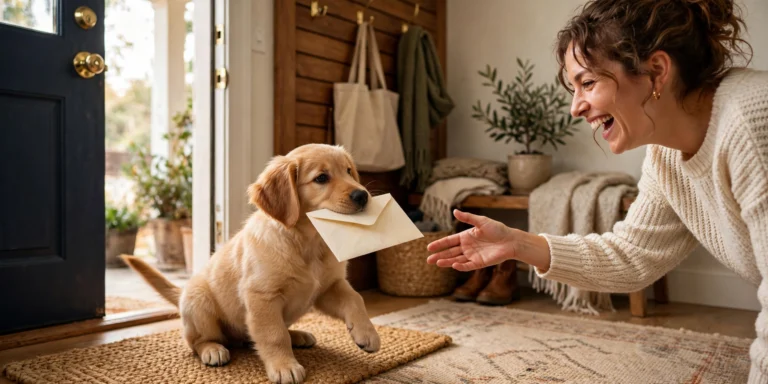
Why Does My Dog Press His Head Against Me? 6 Reasons

There is nothing quite like the feeling of your dog leaning in and pressing his head against you. It feels sweet, personal, and almost like a hug. But if you have ever wondered why does my dog press his head against me, you are not alone — it is one of the most common questions dog owners ask. The good news is that most of the time, it is a perfectly normal sign of love and trust.
There is one important exception. True, compulsive head pressing against walls, corners, or furniture is a medical emergency that signals possible brain or nervous-system trouble. Later in this article we will show you exactly how to tell the difference between an affectionate lean and a dangerous symptom. First, let us walk through the six most common reasons your dog presses his head into you.
Table of Contents
- 1. Affection and Trust
- 2. Seeking Comfort
- 3. Wants Your Attention
- 4. Scent Marking You as His
- 5. Anxiety and Stress
- 6. A Medical Problem (When to Worry)
- Head Pressing vs. Head Bunting
- Frequently Asked Questions
1. Affection and Trust
What It Means
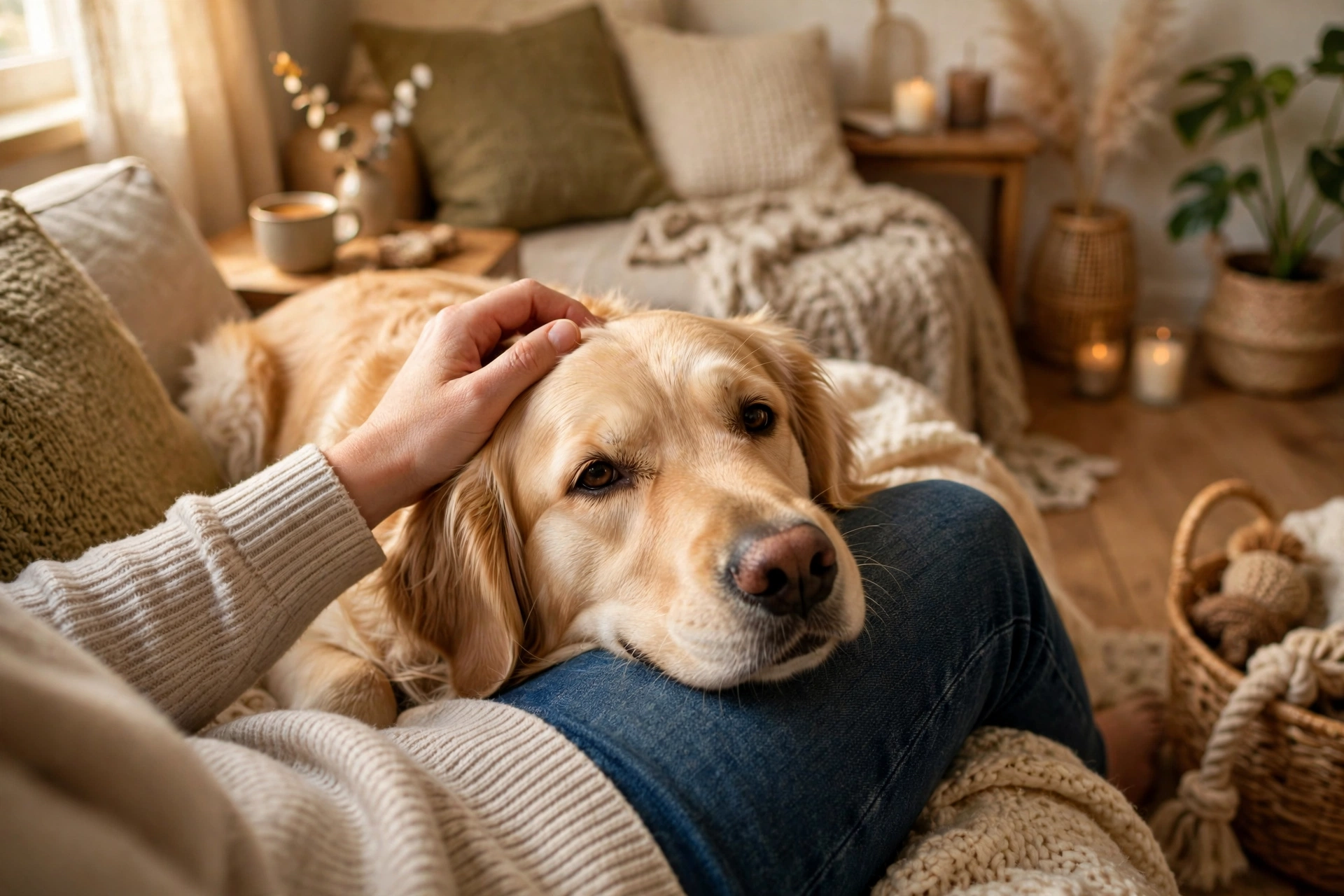
The number-one reason dogs press their heads against their people is simple affection. Your dog is saying, “I feel safe and happy with you.” Look for the telltale signs: a relaxed body, soft eyes, maybe a gently wagging tail. He may melt into you contentedly while you pet him, or even drift off to sleep with his head on your lap. It is his way of closing the distance between you and soaking up your presence.
What to Do
Enjoy it! This is one of the purest forms of bonding. Give him a gentle ear scratch, speak softly, and let the moment last. Regular affectionate contact strengthens the bond between you and helps your dog feel secure.
Helpful pick: SmartPetLove Snuggle Puppy — a heartbeat comfort toy that soothes dogs who crave closeness even when you are not home.
2. Seeking Comfort

What It Means
Dogs also press their heads into people when they need soothing. If a thunderstorm is rumbling, fireworks are popping, or you just got home from the vet, your dog may nestle his head against you firmly, seeking relief. Physical contact releases calming endorphins, and your presence is his safe place. Signs that comfort is the motive include a slightly tense body, trembling, panting, or ears pinned back.
What to Do
Stay calm and reassuring. Gentle, slow strokes along his back can help regulate his breathing. Avoid fussing over him excessively, which can accidentally reinforce the fear — just be his steady, boring anchor. Over time, pairing scary sounds with treats can help him feel braver.
Helpful pick: ADAPTIL Calm Home Diffuser — releases a calming pheromone that can help anxious dogs feel more at ease during storms and fireworks.
3. Wants Your Attention

What It Means
Sometimes head pressing is just your dog’s way of saying, “Hey, I am here!” If he is nudging his head into your hand while you are on your phone, he probably wants praise, a scratch behind the ears, or playtime. Dogs are quick learners: if pressing his head against you once earned him pets, he will absolutely do it again. It can also mean “I am hungry” or “I need to go out” — context is everything.
What to Do
A quick greeting is fine, but avoid rewarding demanding behavior every time, or he may start doing it nonstop. Teach an alternative like sitting politely for attention, and make sure his needs — potty, food, play — are met first.
Helpful pick: Zuke’s Mini Naturals Training Treats — tiny, tasty rewards perfect for training a polite “say please” routine instead of head-barging.
4. Scent Marking You as His

What It Means
Dogs have scent glands on their cheeks and around their heads. When your dog rubs his head against your leg or side, he may be marking you with his scent — essentially claiming you as part of his pack. It is the same instinct that makes dogs rub on furniture. In multi-pet households, you may notice he does it more after you have been around other animals.
What to Do
This is normal social behavior and nothing to worry about. If it happens a lot right after you return from a walk past other dogs, he is probably just re-establishing his claim on his favorite human.
Helpful pick: KONG Classic — gives scent-marking enthusiasts a fun, focused outlet for their energy between cuddle sessions.
5. Anxiety and Stress

What It Means
A dog who is anxious may press his head against you repeatedly, looking for reassurance. This often happens during car rides, visits to new places, or when the household routine changes. Watch for companion signs: pacing, panting, lip licking, yawning, or a tucked tail. The head pressing is his coping strategy — touching you helps him feel grounded.
What to Do
Provide calm, quiet company and remove or reduce the stressor if you can. Build his confidence with short, positive training sessions and predictable routines. If anxiety is frequent or severe, talk to your vet about whether calming aids or a behavior plan would help.
Helpful pick: Best Friends by Sheri Original Calming Donut Bed — the raised rim mimics the cozy pressure of snuggling against you, giving anxious dogs a self-soothing spot.
6. A Medical Problem (When to Worry)

What It Means
Here is the safety-critical distinction: affectionate leaning against you is normal, but compulsive, repeated pressing of the head against a wall, corner, floor, or furniture is not. True head pressing against objects is a symptom, not a quirk — it is associated with neurological problems such as brain tumors, head trauma, encephalitis, liver shunts, or toxin exposure. It is typically repetitive and purposeless, and the dog may seem confused, disoriented, or unresponsive.
What to Do
If your dog starts pressing his head against walls or furniture repeatedly, cannot be easily distracted from it, or shows other signs like circling, vision problems, seizures, or lethargy — go to the vet immediately. This is considered a neurological emergency, and early diagnosis matters. A dog pressing his head into you for cuddles is an entirely different behavior from a dog pressing his head into a wall while staring blankly.
Helpful pick: Outward Hound Nina Ottosson Tornado Puzzle — mental enrichment games help keep a healthy dog’s mind sharp; they are no substitute for veterinary care if neurological signs appear.
Head Pressing vs. Head Bunting
It helps to know the difference between two similar-looking behaviors:
- Affectionate head pressing/bunting: soft, relaxed, directed at you or your hand, easily interrupted, often paired with happy body language like a wagging tail.
- Medical head pressing: firm, repetitive, directed at walls, corners, or the floor, hard to interrupt, often paired with confusion, disorientation, or other neurological signs.
When in doubt, take a quick video of the behavior and show it to your vet. They can usually tell the difference at a glance.
Frequently Asked Questions
Is it normal for my dog to press his head against me?
Yes, completely normal. Most head pressing against people is affection, comfort-seeking, or attention-seeking. The behavior to watch for is compulsive pressing against walls or furniture.
Why does my dog push his head into me when I pet him?
He is leaning into the good feeling and asking for more. Dogs often push into your hand to direct your scratches to just the right spot — usually behind the ears or on the forehead.
What does it mean when a dog presses its head against a wall?
This is the red-flag version. Compulsive wall pressing is associated with neurological conditions like brain tumors, infections, head trauma, or toxin exposure. See a vet immediately.
Do dogs press their heads against you when they are sick?
Sometimes. A dog feeling unwell may become clingier and press into you for comfort. If the behavior is new, intense, or paired with lethargy, loss of appetite, or other symptoms, see your vet.
Should I let my dog press his head against me?
Absolutely — as long as it is the affectionate kind. It strengthens your bond and makes your dog feel safe. Just make sure you are also meeting his needs for exercise, mental stimulation, and consistent training.
Keep Reading
- Why Does My Dog Sit on My Feet? 7 Sweet Meanings
- 15 Signs Your Dog Loves You (Backed by Behaviorists)
- Why Does My Dog Lean on Me? 7 Reasons
- Dog Body Language Guide: 20 Signals Every Owner Should Know
- 12 Signs Your Dog Is Stressed (And How to Help)
As an Amazon Associate, PetPostHub earns from qualifying purchases.