Why Is My Cavalier King Charles Spaniel So Big? 7 Reasons Explained
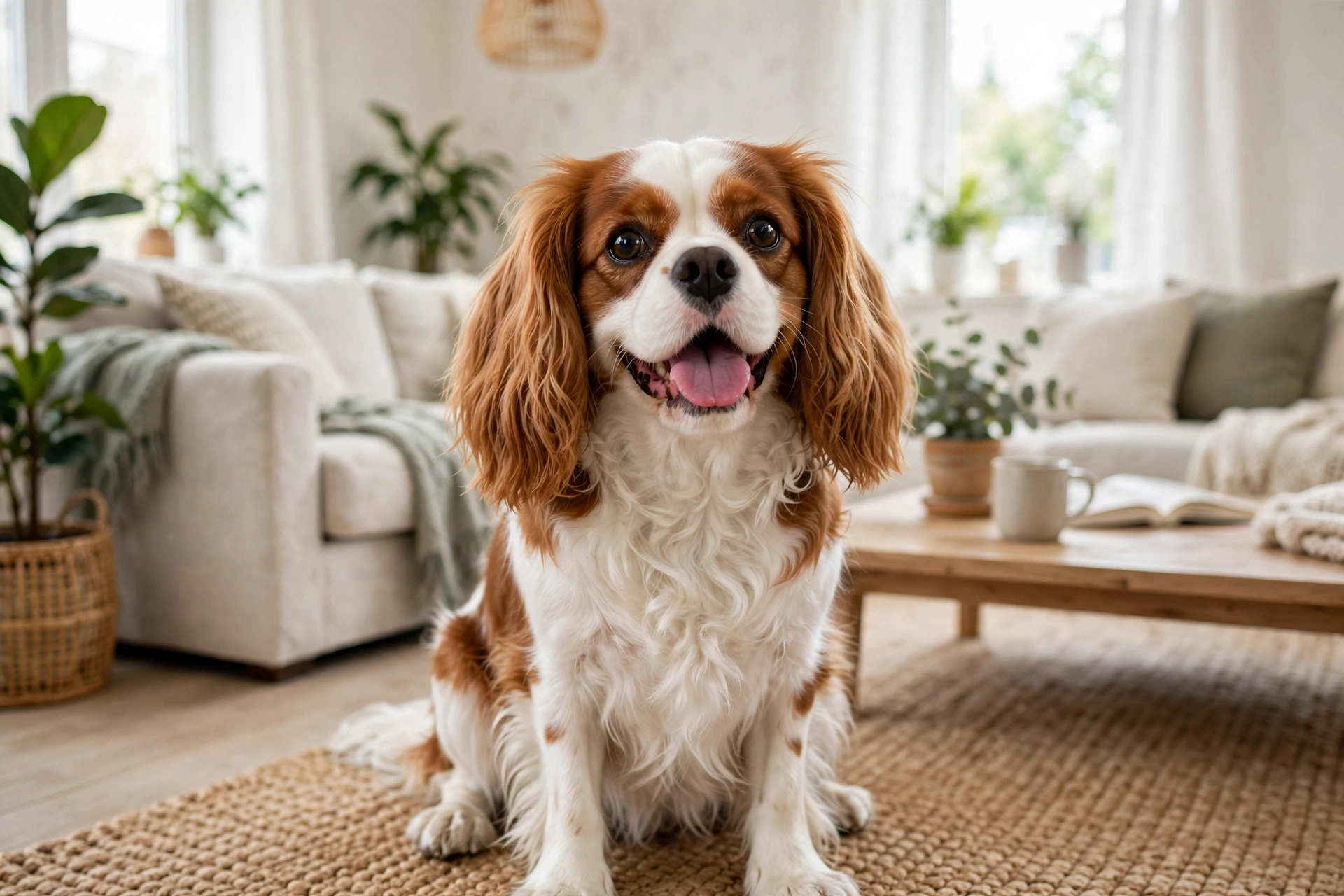
If you have ever looked down at your Cavalier and wondered, “why is my Cavalier so big?” — you are not alone. Cavalier King Charles Spaniels are famous for being dainty little lap dogs, so it can be a surprise when yours turns out chunkier, taller, or heavier than the Cavaliers you see online. The good news: there is usually a simple explanation.
In this guide, we will walk through the breed’s official size standard, the real reasons some Cavaliers grow bigger than expected, and how to tell whether your dog is simply large-framed or actually overweight.
Table of Contents
- Breed Standard Size vs. Reality
- Genetics and Bloodlines
- Overfeeding: Extra Weight vs. a Truly Large Frame
- How to Tell If Your Cavalier Is Overweight
- Healthy Weight Management for Cavaliers
- When Size Could Signal a Health Issue
- Loving Your Big Cavalier
- Frequently Asked Questions
Breed Standard Size vs. Reality
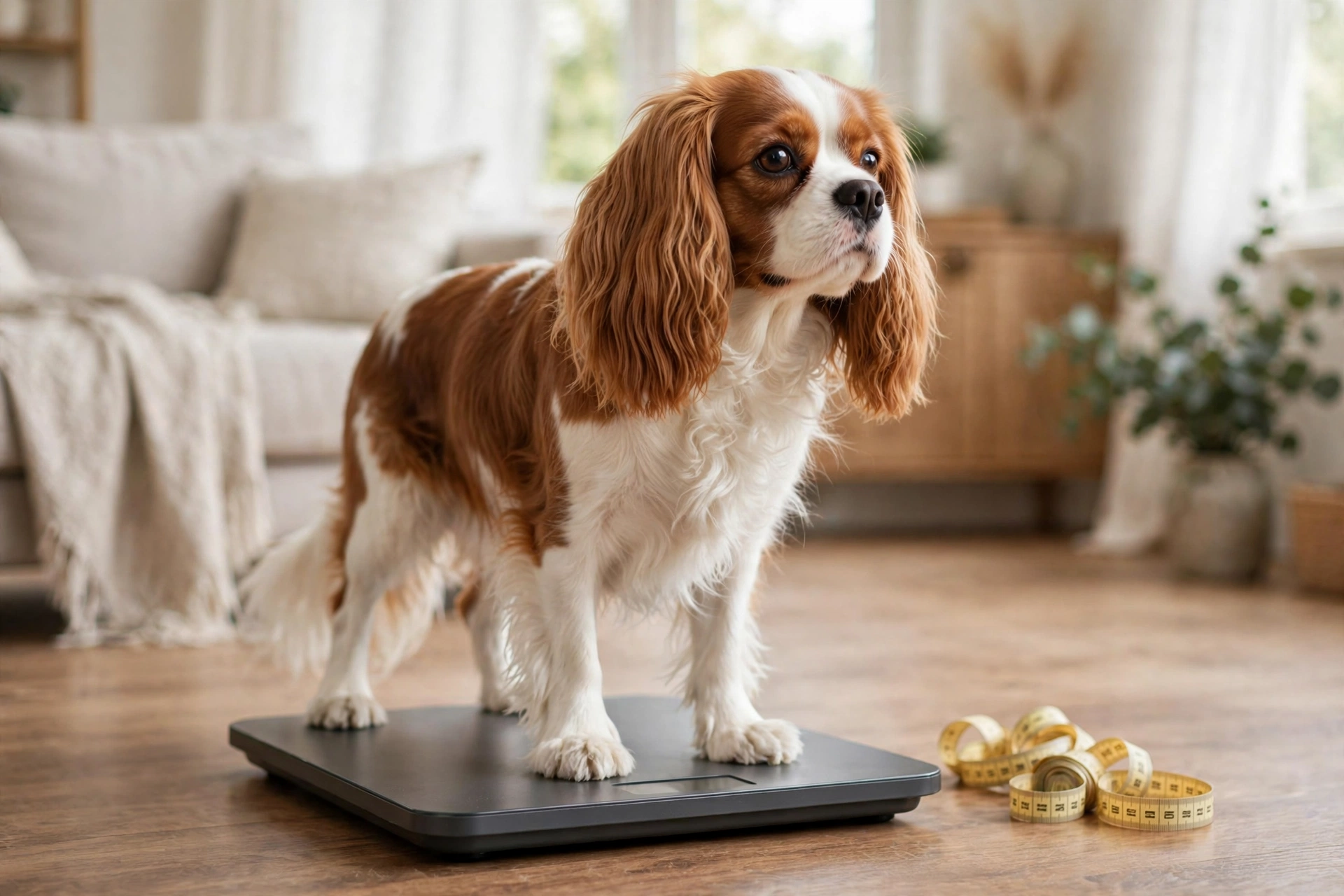
According to the official breed standard, an adult Cavalier King Charles Spaniel should weigh between 13 and 18 pounds and stand about 12 to 13 inches tall at the shoulder. But pet Cavaliers live in the real world, not the show ring, and plenty of perfectly healthy ones fall outside that range.
It is common for companion-bred Cavaliers to weigh 19, 20, or even 22 pounds while carrying no excess fat at all. They are simply built on a bigger frame: longer legs, a deeper chest, a broader head. A Cavalier that is “big” on the scale is not automatically an overweight Cavalier.
The most useful habit you can build is weighing your dog once a month and writing it down. A stable weight is reassuring; a steady climb is your cue to look closer.
Helpful pick: MomMed Portable Pet Scale — a digital scale that handles dogs up to 33 lbs, so you can track your Cavalier’s weight against the breed standard month by month.
Genetics and Bloodlines

Genetics is the biggest reason a Cavalier ends up larger than the textbook size. If both parents were sturdy, big-boned dogs at the top of the standard (or beyond it), their puppies will very likely follow suit.
This is especially common in Cavaliers bred primarily as companions rather than for the show ring, where breeders select more for temperament and health than for hitting an exact weight. A 21-pound Cavalier from big parents is just as much a Cavalier as a 14-pound one.
What genetics cannot do is excuse a poor diet. A big-framed dog can still become an overweight dog, so keep the same honest eye on their condition that you would for any Cavalier.
Helpful pick: Outward Hound Hide-A-Squirrel Puzzle Toy — big or small, every Cavalier needs mental stimulation; puzzle toys keep larger, calmer Cavaliers engaged and support an active daily routine.
Overfeeding: Extra Weight vs. a Truly Large Frame
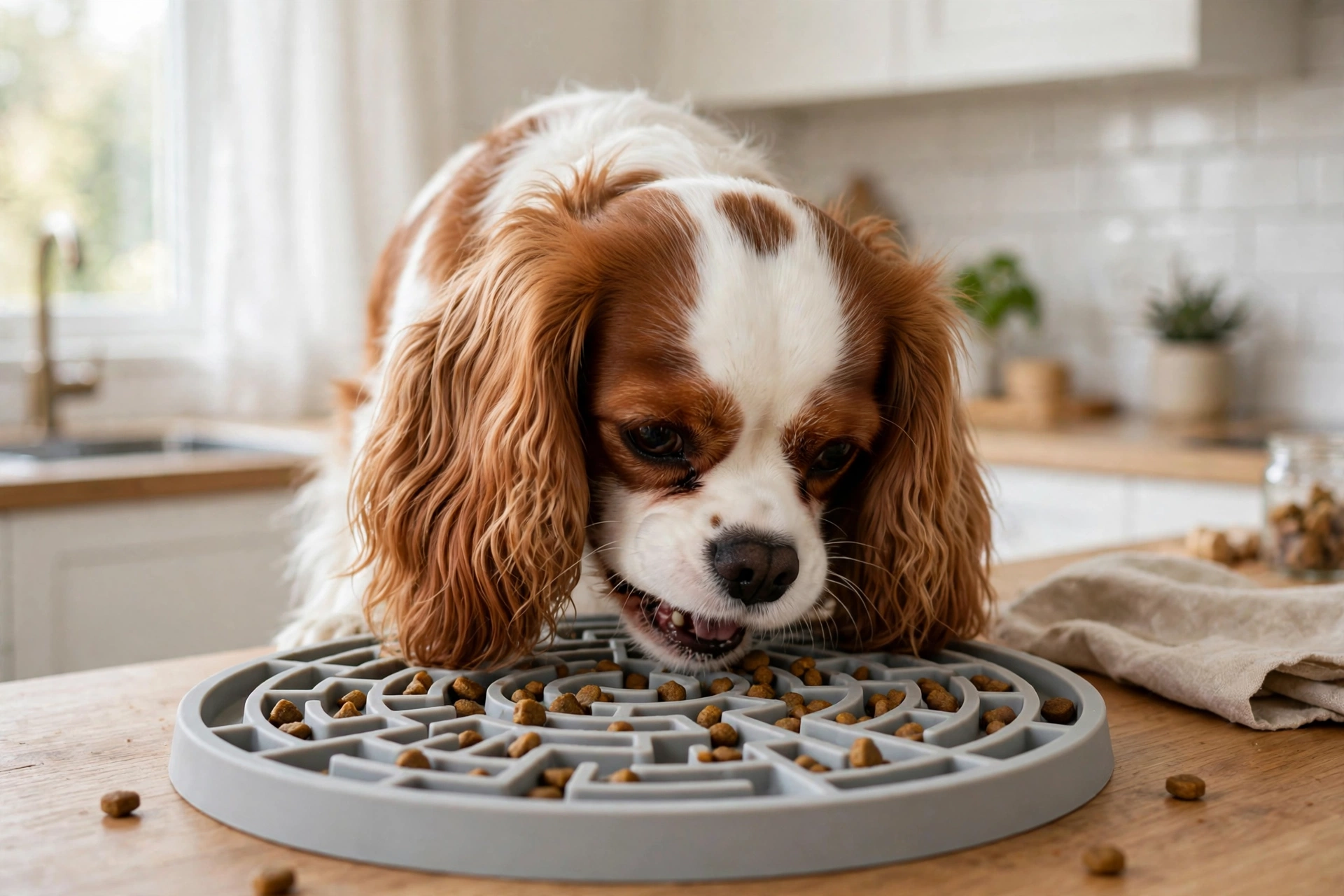
Here is the honest truth most Cavalier owners eventually face: the most common reason a Cavalier looks “so big” is simply too much food. Cavaliers are legendary food enthusiasts with pleading spaniel eyes that have ended many a diet. Between generous scoops, table scraps, and a biscuit every time they look cute, the calories add up fast on a small dog.
So how do you tell the difference between a naturally large frame and extra padding? A big-framed Cavalier is large all over — long legs, big head, deep chest — and looks balanced. An overweight Cavalier looks round: a barrel belly, no visible waist, and a waddle where there used to be a trot. If your dog has grown wider rather than taller, food is the likely culprit.
The fix starts with measuring every meal instead of eyeballing it, and cutting out the mindless extras. Most Cavaliers do best with two measured meals a day and treats kept to about 10% of daily calories.
Helpful pick: Outward Hound Fun Feeder Slo Bowl (Small) — the maze design slows down gobblers and naturally encourages smaller, more mindful portions at mealtime.
How to Tell If Your Cavalier Is Overweight

Forget the scale for a moment — your hands and eyes are the best tools for judging your Cavalier’s condition. Here is a simple body condition check you can do at home in under a minute.
The rib check: Run your hands along your dog’s ribcage with light pressure. You should feel the individual ribs easily, with just a thin covering over them. If you have to press firmly to find them, your Cavalier is carrying extra weight.
The waist check: Look at your dog from above. A healthy-weight Cavalier has a visible waist — the body narrows between the ribs and hips, like a gentle hourglass. Look from the side, too: the belly should tuck up behind the ribs, not hang level with the chest.
The energy check: Has your once-playful pup started opting out of walks or panting after short play sessions? Extra weight strains joints and the heart, and Cavaliers feel it quickly.
During any assessment period, pre-portioning the day’s treats keeps extras from skewing your observations.
Helpful pick: Egiao Dog Treat Pouch — measure out the day’s treat allowance each morning and carry it in a pouch, so training rewards never turn into accidental overfeeding.
Healthy Weight Management for Cavaliers

If your checks suggest your Cavalier is heavier than they should be, do not panic — and definitely do not crash-diet them. Slow, steady change is the safe path.
Measure, don’t guess. Use an actual measuring cup or kitchen scale for every meal, and feed the amount recommended for your dog’s target weight, not their current weight. Stop free-feeding; two set mealtimes make intake easy to track.
Rethink treats. Treats are often the hidden calorie bomb. Swap large biscuits for tiny training treats, and remember the 10% rule: treats should make up no more than a tenth of daily calories.
Move more, gently. Most Cavaliers love a good walk. Build up gradually — an extra ten minutes a day, a game of fetch, or a sniffy exploration walk all burn calories and support joint health. Keep sessions moderate in heat, since the breed can be sensitive to warm weather.
Weigh monthly. Aim for a gradual loss of roughly 1–2% of body weight per week. If the scale stalls for a month, check back in with your vet rather than cutting food further on your own.
Helpful pick: Zuke’s Mini Naturals Training Treats — tiny, low-calorie soft treats that let you reward generously during training without blowing the daily calorie budget.
When Size Could Signal a Health Issue
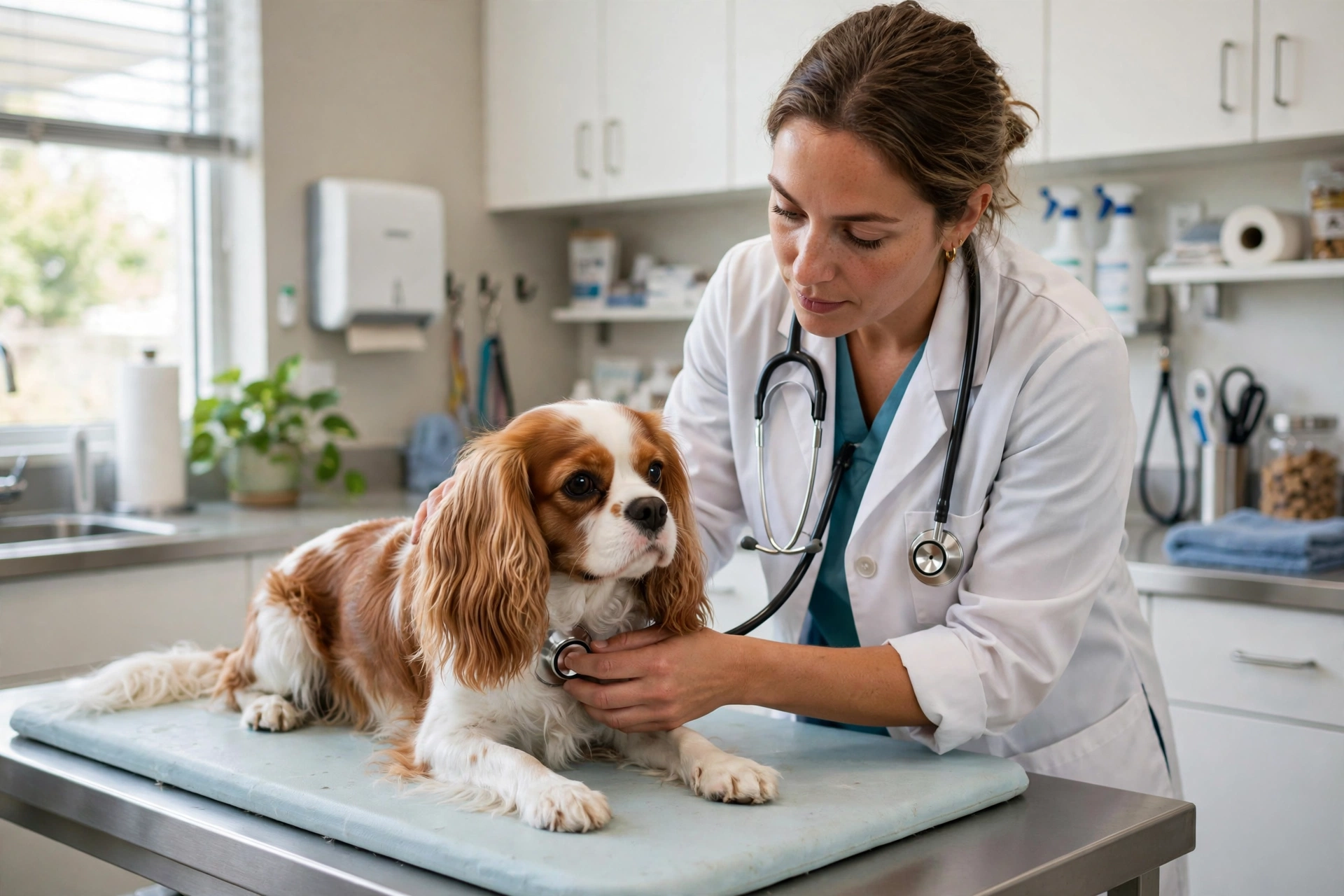
Sometimes a bigger-than-expected Cavalier is not about food or genes at all. An underactive thyroid or Cushing’s disease (more common in seniors) can both cause weight gain or a pot-bellied look, and both are treatable once diagnosed with bloodwork.
Call your vet promptly if your Cavalier’s weight gain came on suddenly, if their belly looks swollen or distended rather than just soft, or if the extra pounds arrived alongside lethargy, hair loss, or a big change in thirst or appetite.
While your vet investigates, keep life pleasant and low-stress: gentle enrichment beats intense exercise when a dog is not feeling its best.
Helpful pick: KONG Classic — stuff it with a little peanut butter and freeze it for calm, low-impact enrichment that keeps your Cavalier happily occupied during rest and recovery.
Loving Your Big Cavalier
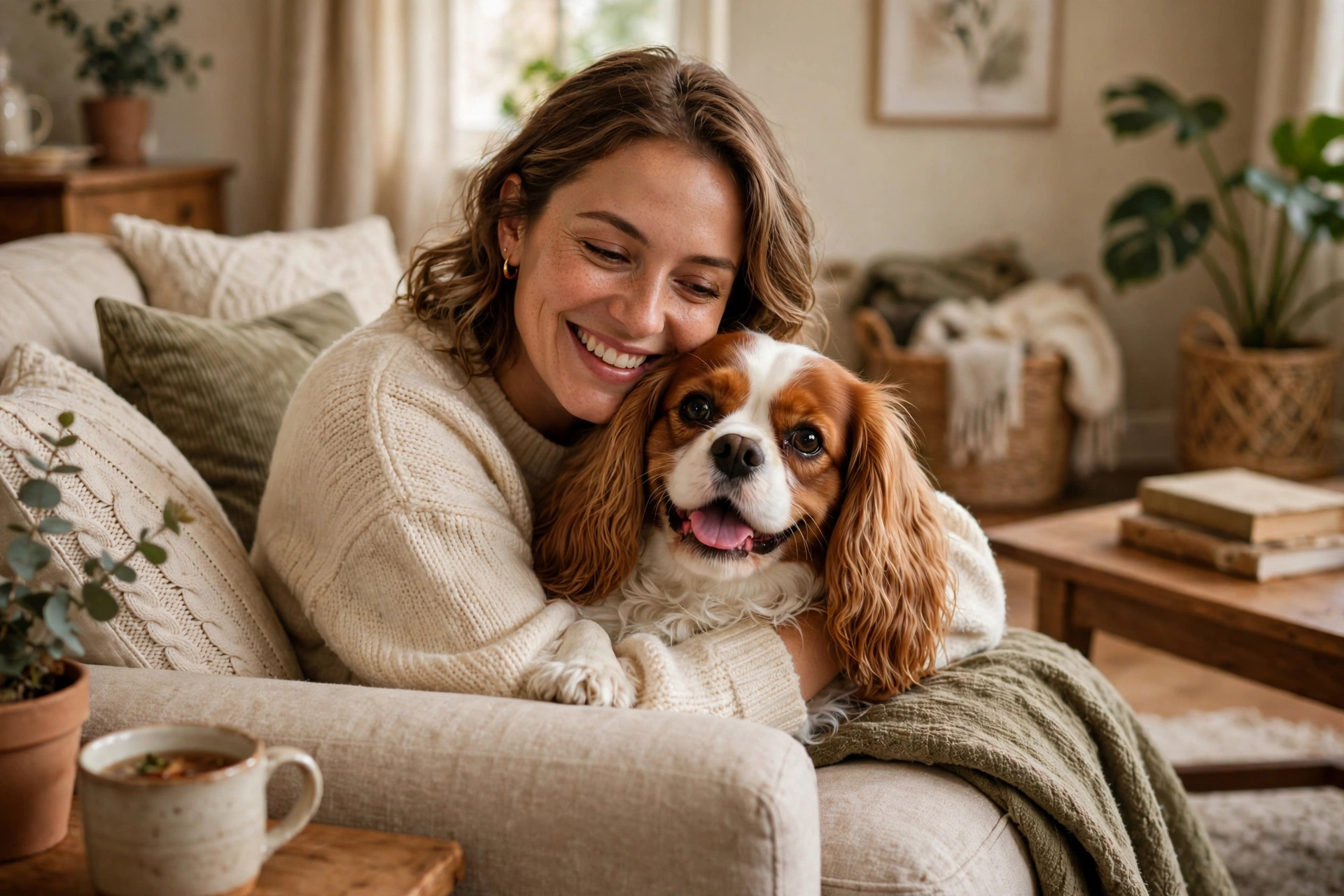
Here is the part that matters most: if your vet confirms your Cavalier is healthy — big frame, healthy weight, clear bill of health — then celebrate it. A 22-pound Cavalier who is fit and thriving is not a problem to solve.
Big Cavaliers make magnificent cuddlers, sturdy adventure companions, and often slightly calmer housemates than their tinier counterparts. Adjust the practical things — a roomier crate, a bed that actually fits, a harness sized for a deep chest — and otherwise enjoy every ounce.
Helpful pick: Zesty Paws Calming Bites — a calm, settled Cavalier makes the best cuddle buddy; these soft chews support relaxation during quiet bonding time.
Frequently Asked Questions
What is the average weight of a Cavalier King Charles Spaniel?
The breed standard calls for 13 to 18 pounds, but many healthy pet Cavaliers weigh 19 to 22 pounds. What matters more than the number is your individual dog’s body condition — visible waist, feelable ribs, and good energy.
Is 25 pounds too big for a Cavalier?
It depends on the dog’s frame. A large-framed Cavalier can carry 25 pounds healthily, while a small-framed one would be overweight. Use the rib and waist checks — or ask your vet — rather than judging by the number alone.
Why is my Cavalier puppy so big?
Puppies grow at different rates, and some are early bloomers from larger parents. As long as your vet is happy with their growth curve, a big puppy usually just becomes a big adult.
Do Cavaliers gain weight as they age?
Yes — metabolism slows with age while appetite often does not. Most senior Cavaliers need slightly smaller portions and continued gentle exercise to stay trim.
Can a Cavalier be too big to be healthy?
A Cavalier is “too big” when the size comes from excess fat rather than frame. Overweight Cavaliers face higher risks of joint problems, heart strain, and breathing difficulty — which is why regular body condition checks matter more than the scale alone.
Keep Reading
- Cavalier King Charles Spaniel Health Issues
- Best Dog Food for Allergies
- Foods Dogs Can and Can’t Eat
- Best Dog Supplements
- Signs Your Dog Is in Pain
As an Amazon Associate, PetPostHub earns from qualifying purchases.