
Cavalier King Charles Spaniel Shedding: How Much Do They Shed?
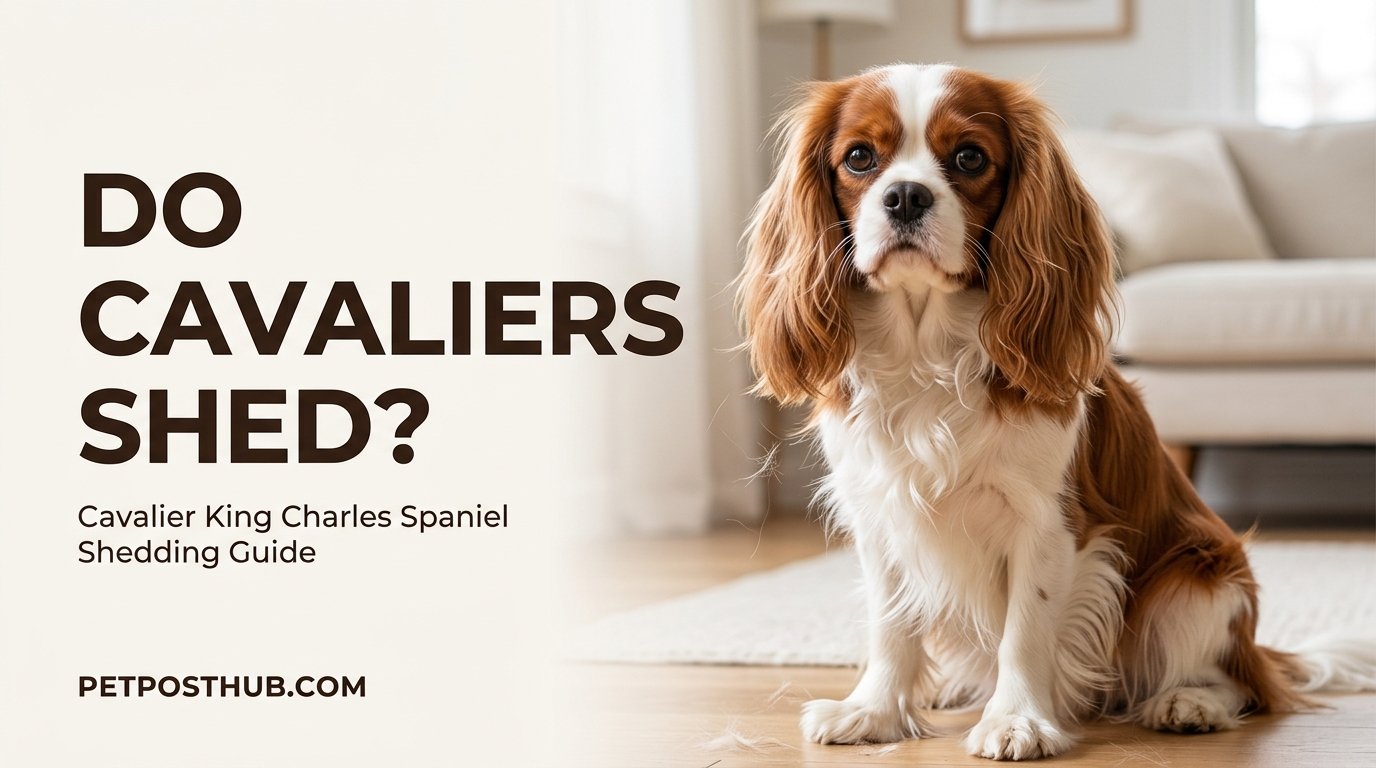
If you are thinking about getting a Cavalier King Charles Spaniel, you may be wondering: Do Cavalier King Charles Spaniels shed?
The short answer is yes. Cavaliers are not considered low-shedding dogs, and you should expect to find some hair around your home. The good news is that regular grooming, proper nutrition, and good skin care can make shedding much easier to manage.
Here is what Cavalier owners should know about shedding and how to keep loose hair under control.
Do Cavalier King Charles Spaniels Shed?
Yes, Cavalier King Charles Spaniels shed throughout the year.
Their beautiful, silky coat naturally releases old and loose hairs. Shedding can become more noticeable during seasonal changes, particularly in spring and fall, when many dogs experience heavier coat turnover.
However, there is no exact amount of hair every Cavalier will shed. Factors such as age, health, diet, grooming habits, environment, and individual coat type can affect shedding.
So, if you are looking for a completely non-shedding dog, a Cavalier may not be the best choice.
How Much Do Cavaliers Shed?
Cavalier King Charles Spaniels generally have moderate shedding rather than extremely heavy shedding.
You may notice loose hair:
- On furniture and bedding
- Around carpets and floors
- On clothing
- During brushing
- More heavily during seasonal coat changes
Puppies can also go through coat changes as they mature. Don’t be alarmed if your Cavalier’s coat seems to change as they grow into adulthood.
The goal isn’t to stop shedding completely. Shedding is a normal and healthy part of maintaining a dog’s coat.
When Do Cavalier King Charles Spaniels Shed the Most?
Cavaliers can shed year-round, but shedding may increase during spring and fall.
Seasonal shedding happens as a dog’s coat responds to changing temperatures and daylight. Indoor dogs may also have less noticeable seasonal patterns because artificial heating and cooling can influence their coat cycle.
Some Cavaliers will shed more than others, so don’t rely solely on the calendar to determine what is normal for your dog.
How to Reduce Cavalier King Charles Spaniel Shedding
You cannot completely stop a healthy Cavalier from shedding, but you can significantly reduce the amount of loose hair around your home.
1. Brush Your Cavalier Regularly
Regular brushing is one of the easiest ways to control shedding.
A good brushing routine removes loose hairs before they end up on your furniture and clothes. It also helps prevent tangles and mats, particularly around areas such as the ears, chest, legs, and tail.
For most Cavaliers, brushing several times a week is a practical starting point. During heavier shedding periods, more frequent brushing may be helpful.
Use a gentle brush or comb suitable for a long, silky coat and avoid pulling through painful mats.
2. Keep the Coat Clean
Bathing can help remove loose hair, dirt, and debris from your Cavalier’s coat.
However, bathing too frequently can irritate or dry the skin. Use a dog-specific, gentle shampoo and choose a bathing schedule based on your dog’s lifestyle and skin condition.
Always brush the coat before and after bathing once it is appropriate to do so.
3. Feed a Balanced Diet
Your dog’s skin and coat depend on adequate nutrition.
Feed your Cavalier a complete and balanced diet appropriate for their age and lifestyle. Fresh water should also be available at all times.
A poor-quality or nutritionally inadequate diet can contribute to poor coat condition, but supplements should not automatically be used to treat shedding. Talk with your veterinarian before adding supplements, particularly if your dog already eats a complete diet.
4. Check for Fleas and Skin Problems
Sometimes what looks like excessive shedding is actually a skin problem.
Fleas, allergies, parasites, infections, and irritation can cause itching and scratching. This can result in hair loss, bald patches, redness, or damaged skin.
Keeping your Cavalier on an appropriate parasite-prevention plan can help protect their skin and coat.
5. Don’t Shave Your Cavalier
Shaving your Cavalier is not a good solution for shedding.
Removing the coat does not stop the biological process of hair growth and shedding. It can also change the appearance and texture of the coat.
Instead of shaving, focus on regular brushing, appropriate bathing, and healthy skin care.
Why Is My Cavalier Shedding So Much?
A sudden increase in shedding deserves attention, especially if it is different from your dog’s normal pattern.
Possible causes can include:
- Fleas or other parasites
- Environmental or food allergies
- Skin infections
- Excessive scratching
- Nutritional problems
- Hormonal or other health conditions
- Stress
- Changes in the environment
Look for other warning signs such as bald spots, red skin, persistent itching, dandruff, sores, unpleasant skin odor, or changes in behavior.
If these symptoms appear or your Cavalier is suddenly losing significantly more hair than usual, contact your veterinarian.
Can Stress Cause a Cavalier to Shed More?
Yes, stress can sometimes cause temporary increased shedding.
Some dogs release more hair when they are frightened, anxious, or experiencing an unfamiliar situation. You may notice loose hair during stressful events such as traveling, grooming, or visiting the veterinarian.
This type of shedding should generally settle once the stressful situation has passed.
If excessive hair loss continues, however, don’t assume stress is the cause. A veterinarian can help identify an underlying problem.
How Often Should You Groom a Cavalier King Charles Spaniel?
Cavaliers benefit from consistent grooming because their long, silky coats can easily become tangled.
A simple routine can include:
- Brushing: Several times per week
- Ear checks: Regularly
- Nail trimming: As needed
- Bathing: When necessary and with a suitable dog shampoo
- Professional grooming: When needed for coat maintenance
Pay particular attention to the ears, feathering, legs, chest, and tail, where tangles can develop easily.
Final Thoughts on Cavalier Shedding
So, do Cavalier King Charles Spaniels shed? Yes, they do—but their shedding is usually manageable with a consistent grooming routine.
You cannot make a healthy Cavalier completely stop shedding. Instead, regular brushing, proper nutrition, parasite prevention, and good skin care can help keep loose hair under control.
Most importantly, learn what is normal for your individual Cavalier. If shedding suddenly becomes excessive or is accompanied by itching, bald patches, redness, or other skin changes, speak with your veterinarian.
A little dog hair is simply part of sharing your home with this affectionate and beautiful breed.