
How to Teach Your Dog the Quiet Command: 6-Step Guide (2026)

If your dog’s barking makes your living room feel more like a kennel, teaching the quiet command can bring real relief. The quiet command is a simple cue that tells your dog to stop barking when you ask, and most dogs pick it up within a week or two of short, calm practice sessions.
This guide walks you through the whole process: figuring out what sets your dog off, setting up a good practice space, pairing the word with moments of silence, and finally using the cue around doorbells and delivery drivers. You will learn a six-step method that works for puppies and adult dogs alike. Let’s turn down the volume together.
Table of Contents
Why a “Quiet” Command Changes Everything at Home

Nonstop barking frays your nerves, interrupts your sleep, derails work calls, and turns family dinners into shouting matches over the dog. Over time, that frustration strains the bond between you and your dog, because every interaction starts to feel like damage control.
A trained quiet cue flips that. You say one calm word and your dog settles within seconds. The goal is a dog that pauses quickly, stays calm for half a minute or more, and looks to you instead of working itself into a frenzy. Many owners find this training improves overall manners too, because the dog learns that calm behavior earns attention while noise does not.
Learn What Is Driving the Barking First

You cannot fix barking you do not understand, so first figure out what is driving it. A couple of sharp alert barks when someone knocks is normal canine communication. Barking that runs for minutes or hours, happens dozens of times a day, or has no obvious trigger is a pattern worth training.
Common triggers include doorbells, passersby, other dogs, delivery trucks, boredom, excitement, and anxiety when left alone. Keep a simple log for three to five days: when barking starts, how long it lasts, and what was happening. You may spot a pattern, like a daily burst when kids stream past the house after school.
The trigger shapes your plan. Excitement barking needs you to wait for a pause and reward it. Fear-based barking, with tucked tail or flattened ears, needs confidence building alongside the cue. Boredom barking needs more exercise and enrichment first. Know the cause, and the fix follows.
Create Your Training Setup
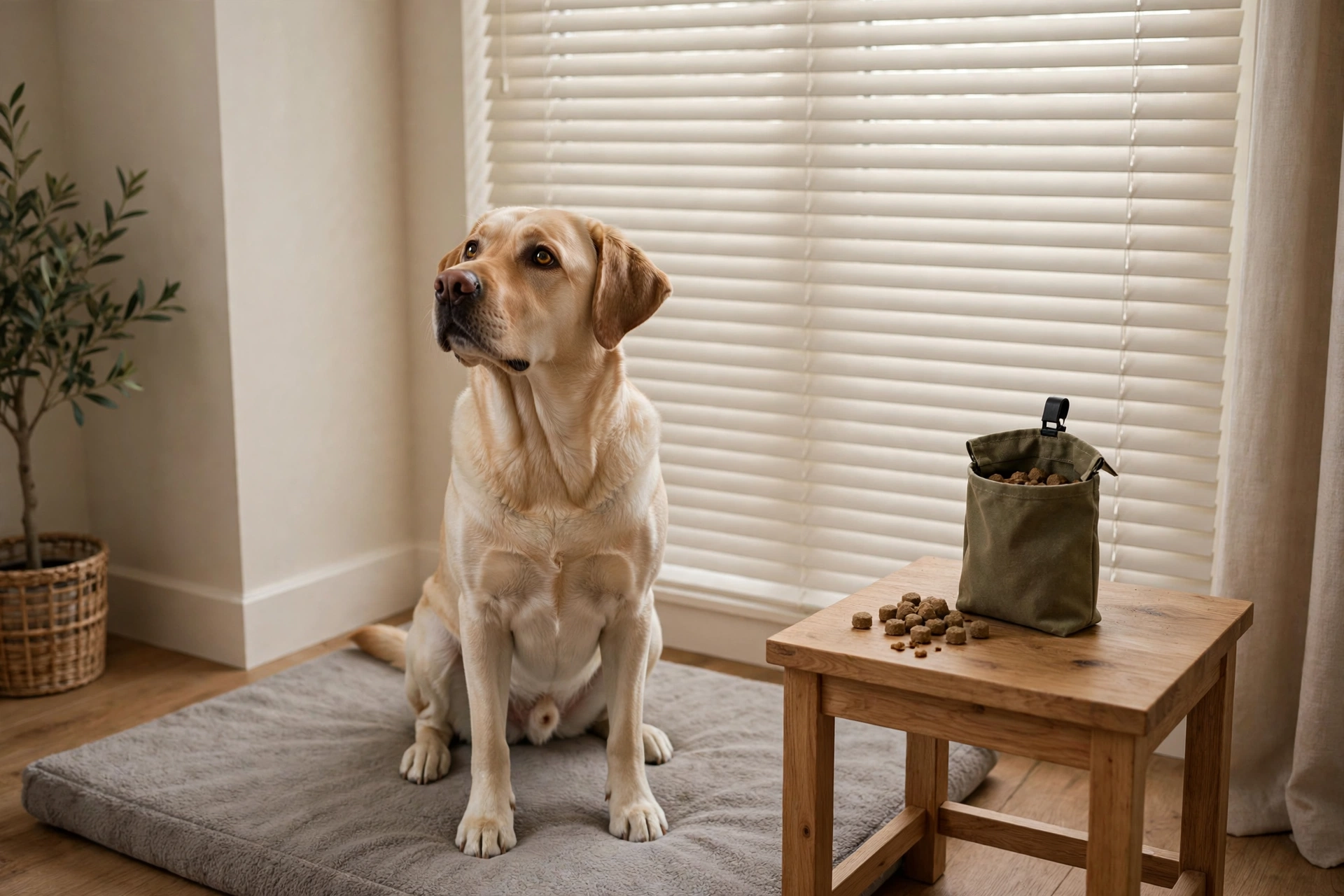
Dogs learn fastest in a calm, low-distraction space. Pick a room away from windows, turn off the TV, and close the blinds. Ask everyone in the house for ten to fifteen uninterrupted minutes. Put away squeaky toys and food bowls so nothing competes with you for your dog’s attention.
Next, gather rewards your dog truly values. For most dogs, tiny pea-sized bits of chicken, cheese, or freeze-dried liver beat ordinary kibble. Some dogs work harder for a tug game or enthusiastic praise, so experiment. Keep several reward options ready so you can switch things up and avoid boredom. Timing matters: the reward should arrive the instant your dog gets it right.
Teach “Quiet” in Six Steps
These steps build on each other. Move on only when the current step feels solid. Consistency beats speed every time.
Step 1: Connect the Word With Calm Moments
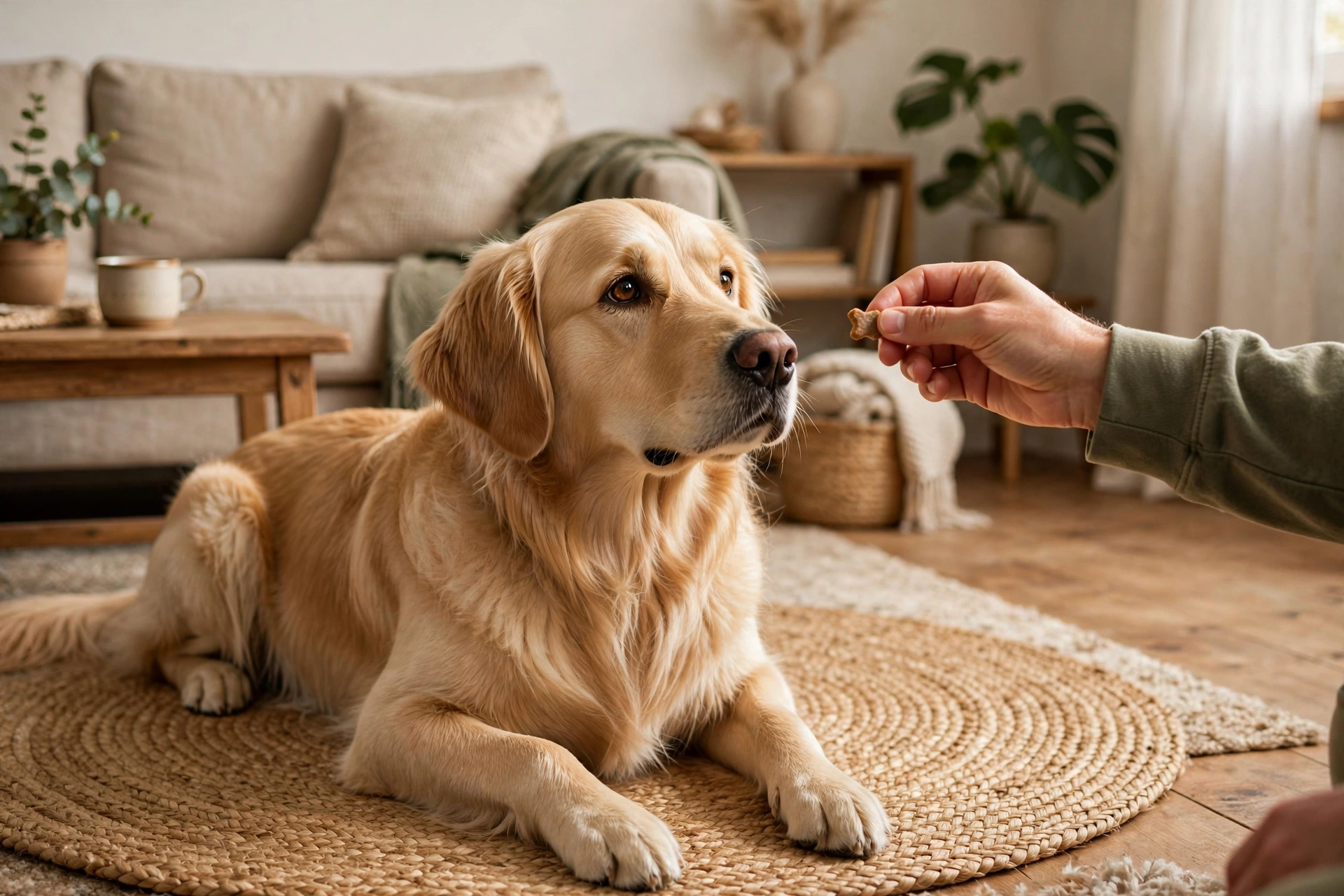
Before practicing around barking, build a positive association with the word itself. Catch your dog in naturally calm moments, like settling on the mat after a walk. Say “quiet” softly in a warm, low tone, then give a treat. Repeat several times a day.
This teaches your dog that the word predicts good things in an easy, relaxed state. Learning is much simpler when the dog is already calm than when it is fired up mid-bark.
Step 2: Reward the Natural Pause
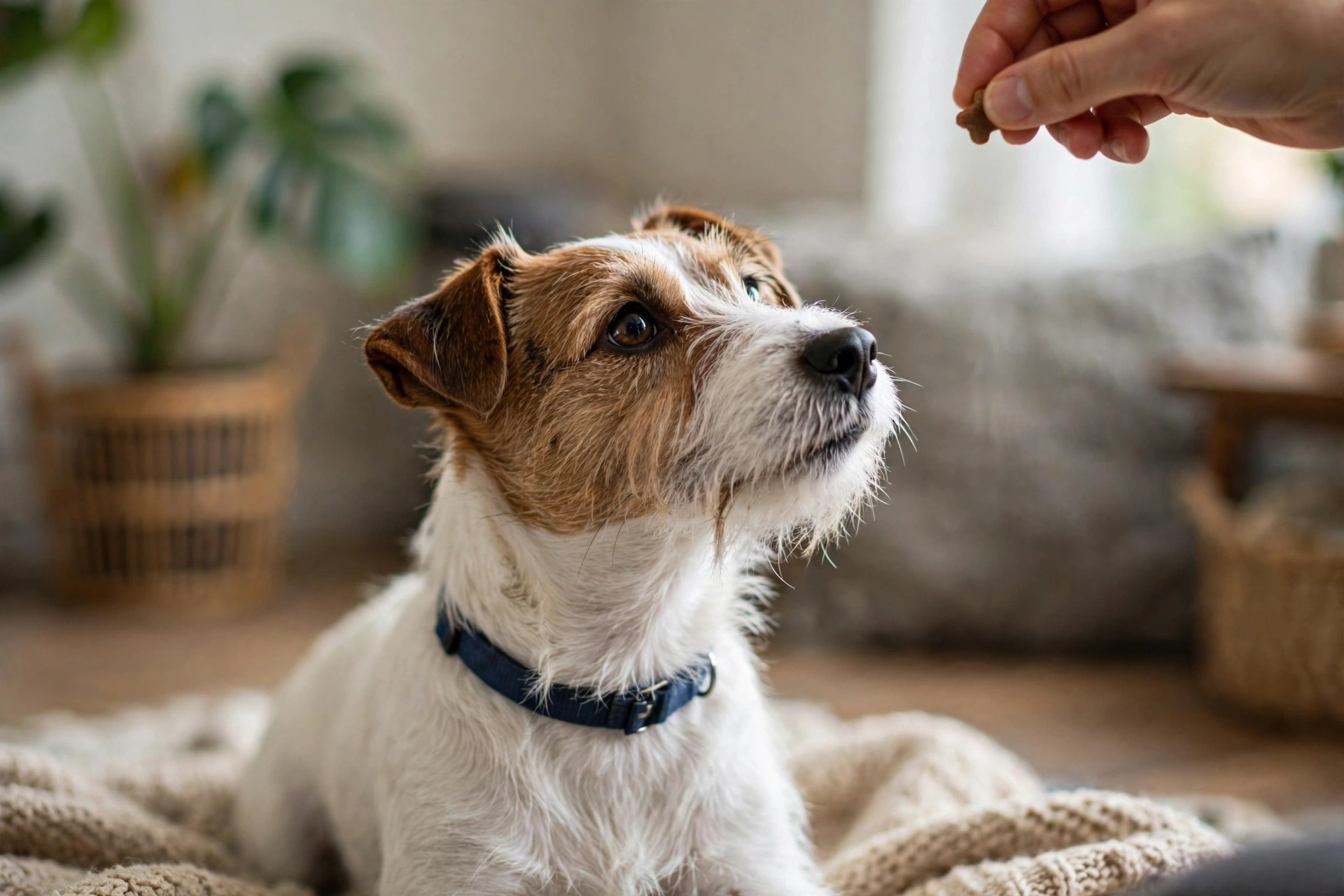
Now let your dog bark a little in the practice room, then wait for a brief natural pause. The moment it happens, mark it with a clear “yes” and deliver a treat. The pause must be natural, not caused by you clapping or shouting. You want the dog to discover that even two seconds of silence makes treats appear.
Repeat this across your short sessions. Your dog will start pausing more often, because pauses have suddenly become the most profitable behavior in the room.
Step 3: Say “Quiet” Right Before the Pause

Once pauses come regularly, add the cue word. Watch your dog’s barking rhythm and, just as it fades into a pause, say “quiet” in a calm, low voice. When silence follows, mark and treat right away. The word should land almost on top of the pause so your dog connects it with going quiet.
Do not shout. A loud “QUIET!” can sound like you are barking along, which excites some dogs more. Keep your voice steady and matter-of-fact.
Step 4: Ask for Longer Stretches of Silence
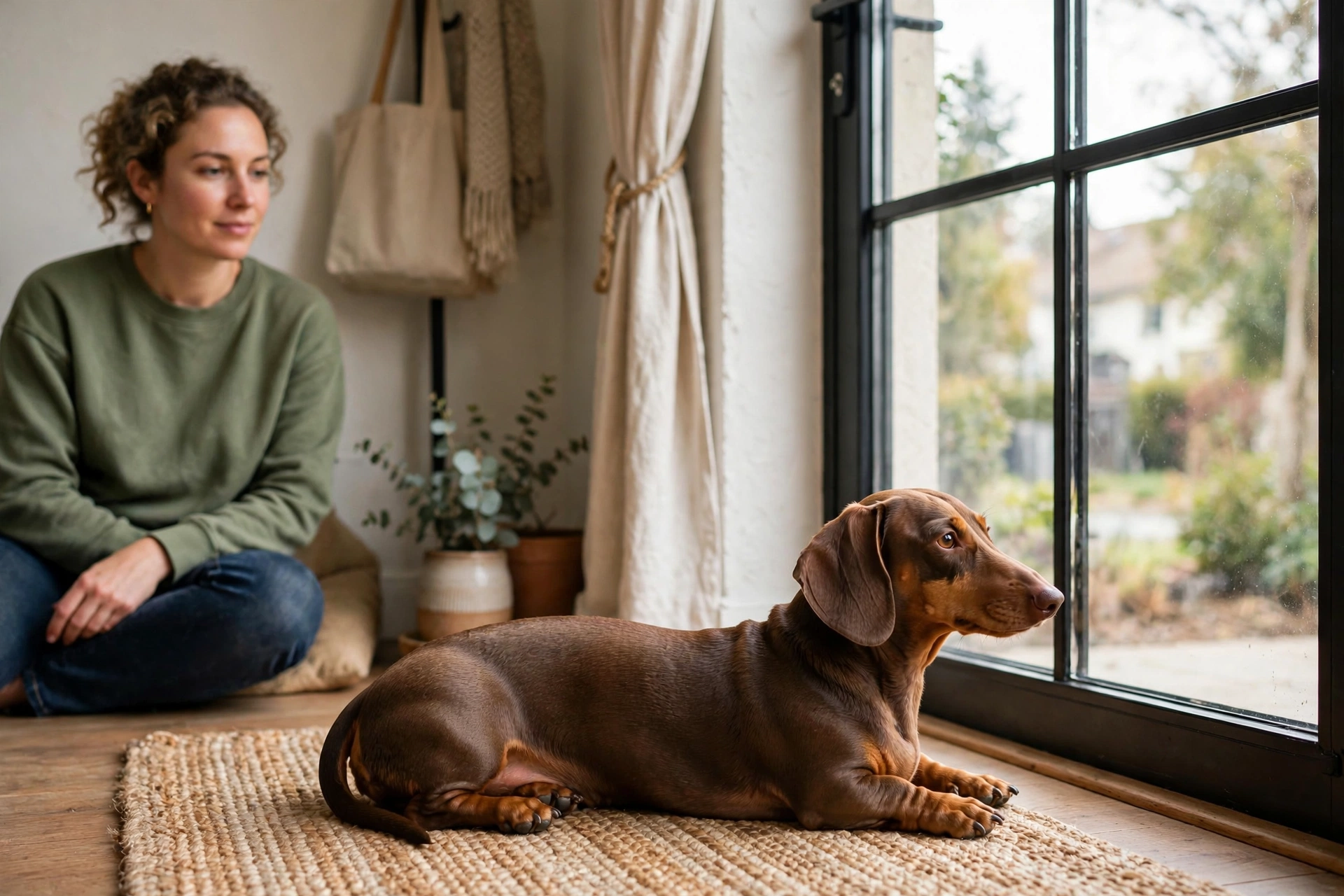
When your dog reliably goes quiet after the cue, stretch the silence. Ask for one second before the treat, then three, then five, then ten. Build toward thirty seconds over several days. If your dog breaks and barks, drop back to a shorter duration where it can succeed and rebuild from there.
Step 5: Wean Off the Treats
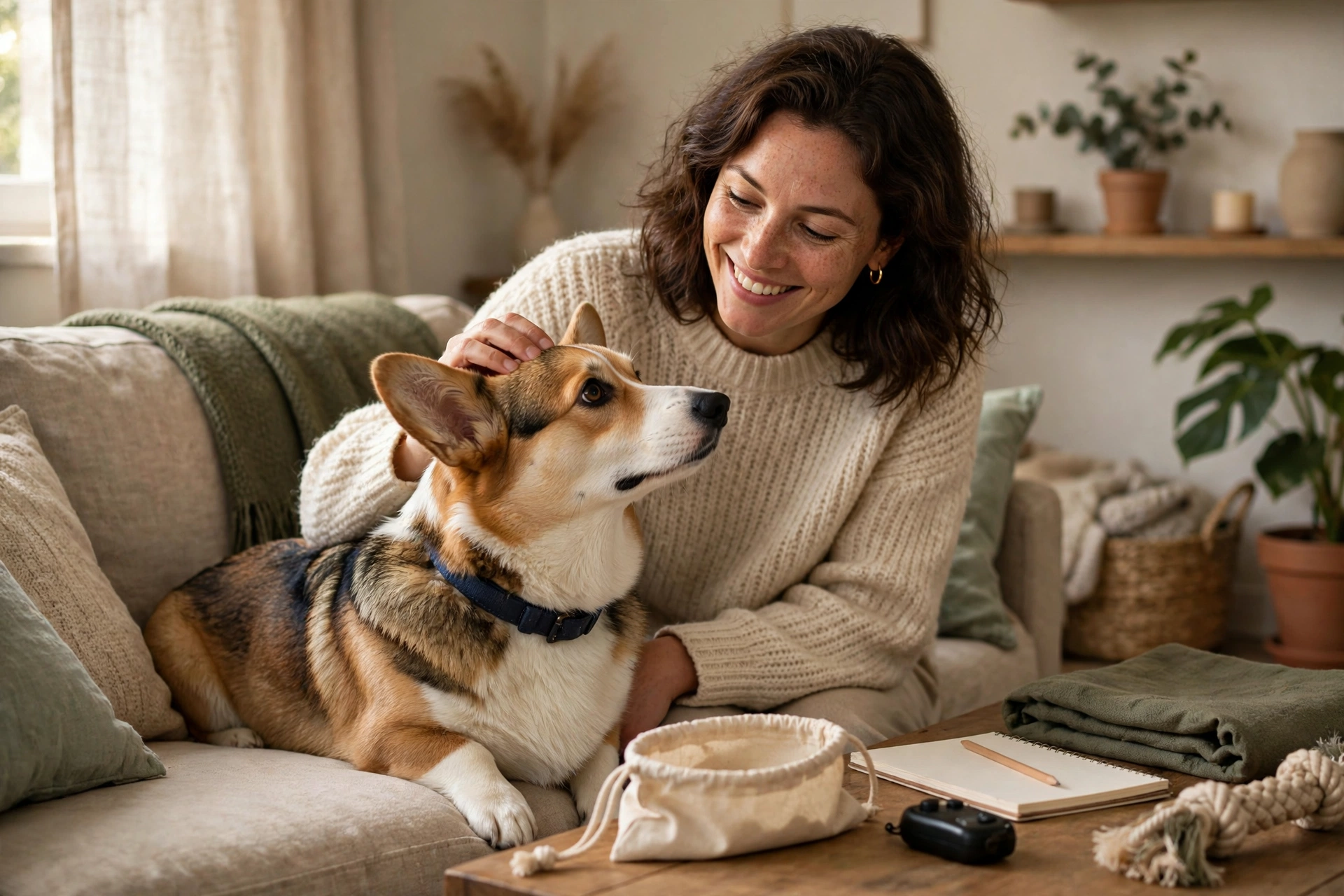
Now start removing the training wheels. Shift to an unpredictable schedule: treat every second success, then every third, replacing skipped treats with warm praise or a quick favorite game. The occasional surprise treat, a “jackpot,” keeps the behavior strong long after food is mostly gone.
This matters because you will not always have treats when the doorbell rings. A dog that works for praise and habit is reliable anywhere.
Step 6: Rehearse With Controlled Triggers

Now teach the cue where barking actually happens. Ask a friend to ring your doorbell or knock while you work with the dog, rewarding quiet behavior in small doses. Sit near the problem window and catch barking early, before it escalates. Practice during peak delivery hours when trucks roll through.
Start with the easiest trigger at the lowest intensity, and only combine challenges once each is mastered. Within a couple of weeks of rehearsals, most dogs start associating old triggers with calmness instead of a barking marathon.
Move the Skill Into Real Life

Real life is messier than rehearsals, so adjust to the situation. Excited barking, the fast high-pitched kind when guests arrive, responds to the standard method: wait for a pause, cue “quiet,” and reward. Fearful barking needs a gentler hand: build confidence with distance and rewards, and never punish a scared dog. Boredom barking is a schedule problem, so add exercise and enrichment before expecting the cue to work.
Many owners allow one or two alert barks and then cue quiet. That keeps your dog’s watchdog instincts while giving you the final say. Whatever your house rule is, keep it the same every time.
Troubleshoot and Keep It Strong

Even well-trained dogs backslide when routines change or life gets busy. If barking creeps back, return to basics: run short three-to-five-minute sessions, upgrade your treat value, and train when the dog is rested. Make sure everyone in the household uses the same word and rules, because mixed messages undo training fast.
Avoid yelling, since your dog may read shouting as joining the barking. Do not punish fear-based barking, because it deepens the fear behind it. End every session on a success, even a small one, so you both look forward to the next round. A quiet cue with daily reinforcement stays sharp for life.
Keep Reading
- 15 Dog Training Tips That Work (2026)
- 17 Dog Body Language Signals Owners Miss (2026)
- Dog Training Commands: 12 Every Dog Should Know (2026)
- Indoor Dog Park: How to Build One Your Dog Will Love (2026)
- Best Hotel for Dogs: 10 Boarding Picks for a Stress-Free Stay (2026)
Frequently Asked Questions
How long does it take to teach a dog the quiet command?
Most dogs show real progress within one to two weeks with three to four short sessions a day. Full reliability around strong triggers usually takes a few more weeks of rehearsals. Consistency matters far more than speed.
Can an older dog learn the quiet command?
Yes. Senior dogs often learn faster thanks to longer attention spans. Keep sessions gentle, use easy-to-chew treats, and let your older dog work at its own pace.
Should I shout “quiet” when my dog barks?
No. Shouting can sound like you are barking too, which excites some dogs further. Use a calm, low, steady voice. The contrast between the noise and your relaxed tone helps the dog settle.
What if my dog only barks when I am not home?
The quiet command works when you are there to give it. Barking when alone often points to separation anxiety or boredom, which needs a different approach. Talk to your vet or a certified trainer if your dog barks for long stretches while you are away.
Is it okay to let my dog bark at the doorbell at all?
Many owners allow one or two alert barks and then give the quiet cue. That keeps your dog’s watchdog instincts intact while giving you control. Just keep the rule consistent so your dog can learn it.


